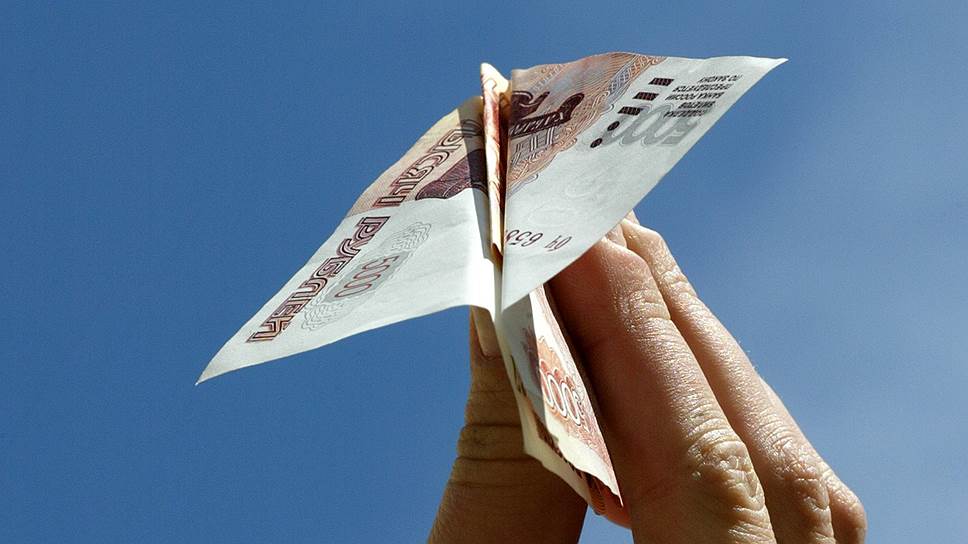
Over the first quarter of this year, physical entities have sent 462 million U.S. dollars through the money transfer system from Russia to Tajikistan, which was 5.1 percent fewer than in the same period last year, according to Russia’s central bank.
Over the same three-month period of last year, physical entities have reportedly sent 487 million U.S. dollars through the money transfer system from Russia to Tajikistan.
Over the report period, Uzbekistan has topped CIS nations in terms of remittance flows sent from Russia through money transfer systems. In January-March this year, physical entities have sent 818 million U.S. dollars through the money transfer system from Russia to Uzbekistan (7.3-percent increase compared to the same period last year).
Meanwhile, physical entities have sent 453 million U.S. dollars from Russia to Kyrgyzstan through the money transfer system over the first quarter of this year (4.3-percent increase compared to the same period last year).
Last year, US$2.553 billion were sent through money transfer system to Tajikistan from Russia, which was 17 million U.S. dollars more than in 2017.
In 2017, remittances sent by physical entities from Russia to Tajikistan were estimated at 2.536 billion U.S. dollars, which was more than 600 million U.S. dollars more than in 2016.
In 2016, 1.929 billion U.S. dollars were sent to Tajikistan from Russia through the money transfer systems, which was 651 million U.S. dollars more than in 2015 (1.278 billion U.S. dollars were sent through money transfer systems to Tajikistan from Russia in 2015).
3.831 billion U.S. dollars were sent through money transfer systems to Tajikistan from Russia in 2014 and 4.155 billion U.S. dollars in 2013.
Tajikistan is one of the world’s most remittance dependent countries and labor migrants are still a critical component in the economy of Tajikistan.
According to some sources, an estimated 1 million Tajik labor migrants are currently working in the Russian Federation.
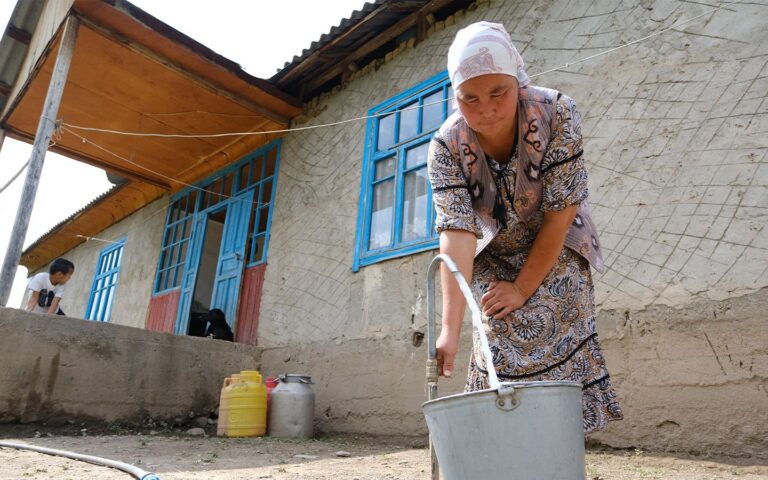
Remittances play a critical role in providing households with necessary finance for basic consumption. Currently, remittances reportedly act as a significant buffer to poverty for a large section of the population, and most of the remittances are used for consumption of food, house renovations and celebrations. Under these circumstances, remittances assist in reducing income poverty but with minimal contribution to human development.
Meanwhile, remittances could be used for development‐related initiatives. Thus, Financial Analysis to Support SDGs Implementation in Tajikistan, a report that was released by UNDP last year, in particular, says that improvement in the regulatory environment will serve to direct remittances to productive investments.
The report notes that large remittances, if properly channeled within an improved business environment, could lead to much higher investment. Tajikistan needs to reduce the state’s footprint in the economy, prioritize public expenditures within a realistic fiscal envelope, and significantly improve the business environment, according to the report.