



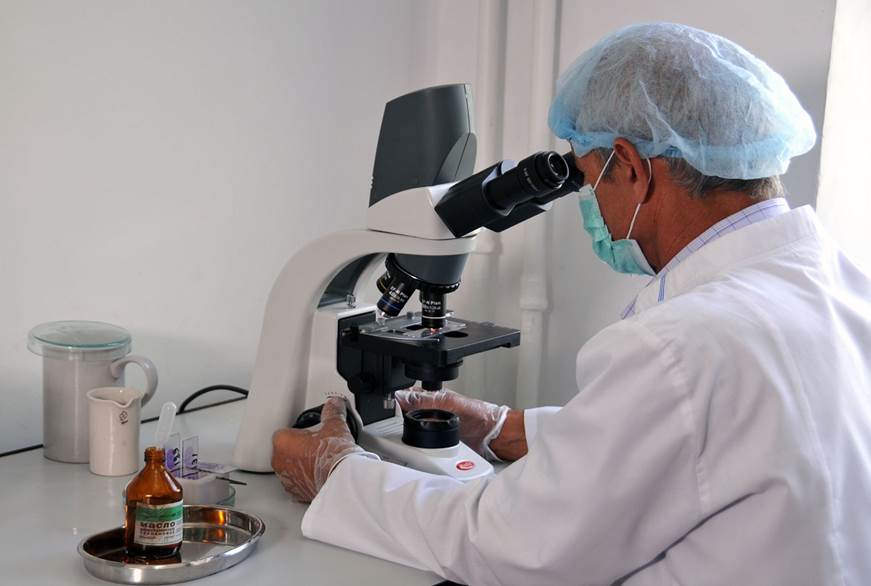
A new FAO project on improving knowledge for GMO monitoring system was launched yesterday with a workshop organized in close cooperation with the Committee for Food Security under the Government of Tajikistan.
According to the FAO Country Office in Tajikistan, more than 25 government staff from the Ministry of Health and Social Protection of Population, Ministry of Agriculture, Tajik Academy of Agricultural Sciences, the Committee for Food Security, Committee for Environmental Protection, Academy of Sciences of Tajikistan, Tajik Agrarian University, Tajik Agency for Standardization, Certification, Metrology and Trade Inspection (Tajikstandart) as well as representatives of private sector entities participated in the workshop.
They reportedly discussed the results of human and institutional capacities’ needs assessment of the Committee for Food Security, preliminary findings of legal needs for regulatory documents related to the GMO monitoring system in the country, and also challenges and opportunities related to the biosafety and GMO.
The monitoring of environmental effects is an important element of the regulatory framework for genetically modified organisms (GMOs) in Tajikistan.
Genetically modified crops are increasingly being introduced into the worlds’ food supply. Concerns raised by consumers and regulatory agencies in different countries have highlighted the need for reliable and accurate testing for the presence and the amount of GMO components.
GMO monitoring sis expected to enable competent authorities to comply with regulatory requirements for approved GMOs and prevent entry of unapproved GMOs into the country. It reportedly also aims to allow monitoring of potential effects of living modified organisms (LMO) to the environment.
FAO has initiated to support the Food Security Committee and the effort to strengthen national capacity in monitoring and control of GMOs, thus facilitating increased trade of agricultural products and economic relation between Tajikistan and other countries.
“Food safety is an increasingly important public health issue,” said FAO Representative in Tajikistan Oleg Guchgeldiyev. “Due to modern biotechnology, the variety of food has become extremely complex and multi-component. People now need to identify the source of food, cultivating conditions, as well as the presence of various substances in product composition.”
It is expected that this project will contribute to achieving important strategic governmental objectives, resulting in better food security and people’s access to good quality nutrition. It is evident that GMO detection, identification and quantification methods should be improved.
“Advancing regulatory capacity under this project will offer the Government and general public a greater confidence in the ability of the country to effectively deal with the ever-increasing number of biotechnology-related developments,” Guchgeldiyev added.







