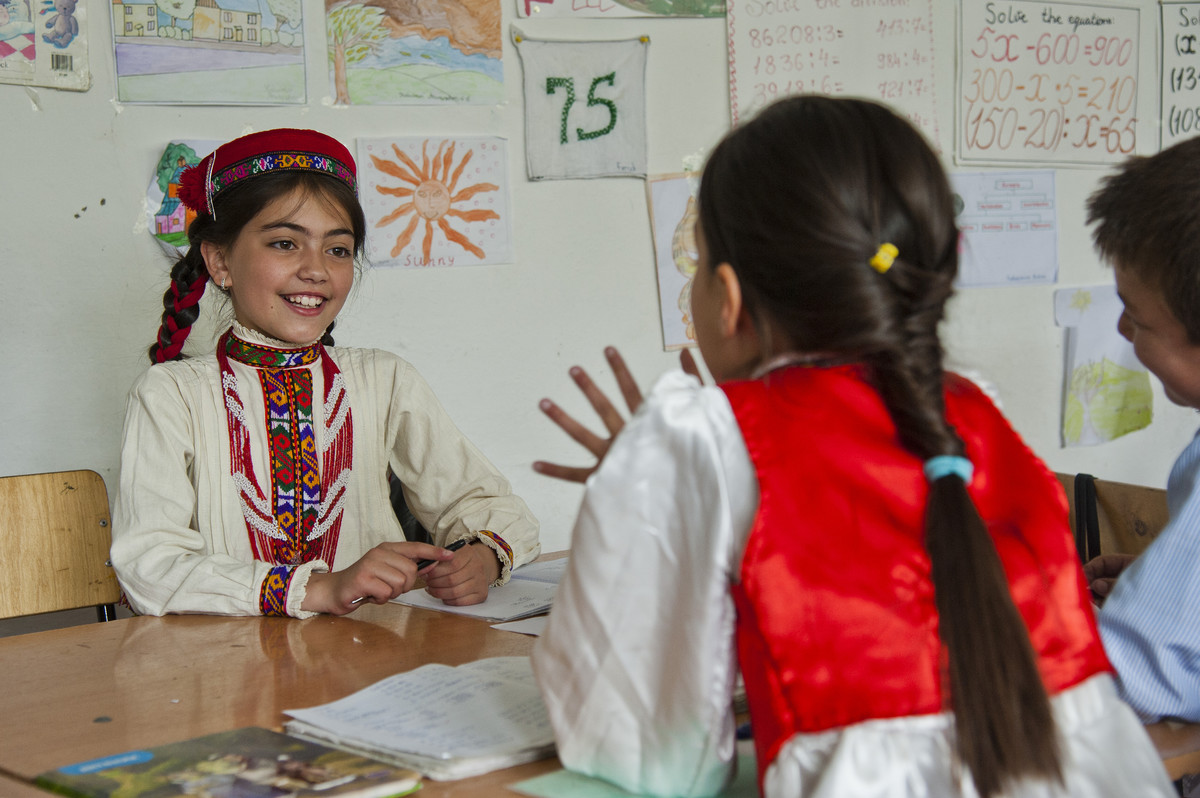
The Aga Khan Education Services (AKES) is one of the largest not-for-profit school systems in the developing world, operating more than 200 schools and education programs across 13 countries, mostly in rural areas, according to the Aga Khan Development Network (AKDN).
In line with His Highness the Aga Khan’s vision of improving the quality of life, AKES is built on a century of leadership in education, equipping young learners with the knowledge, skills, attitudes and values to thrive in a complex and dynamic world. At AKES, students learn to make ethical choices, to embrace the strength of pluralism and to serve in their communities. Teachers are committed to diligent scholarship, relevant curriculum and raising learning standards for themselves and their students. Watch this new video to get the latest facts about AKES. Today AKES schools and programs reportedly benefit over 85,000 students
In Central Asia, AKES operates two model schools, one in Khorog, the capital of Gorno-Badakhshan Autonomous Region (GBAO) in Tajikistan, and the other in Osh, in the neighboring Kyrgyz Republic.
The Aga Khan Education Service (AKES)’s outreach efforts also impact the district schools within Gorno-Badakhshan — through teacher-training and other school improvement efforts, often in partnership with other agencies of the Aga Khan Development Network (AKDN).
The Aga Khan Lycée (AKL) was established in Khorog on the premises of the former School #3 (named after Kirov), a school with a distinguished history in Gorno Badakhshan. The majority of students are from Khorog, and some from even more remote districts of GBAO, Tajikistan, and with a few students from other countries.
The Aga Khan Lycee, similar to Aga Khan Schools around the world, strives to create a harmonious balance between academic demands, sporting and cultural activities and community life. It challenges its students to be intellectually inquisitive and socially conscious. The Lycée believes that while what students know is important, the true measure of a student’s education is the ability to analyze what they do not know.
In Afghanistan, AKES programs reportedly reach close to 25,000 students. Currently, it operates 70 early childhood development centers. It also works in selected districts, including Kabul, to develop skills in English Language and Information Technology, especially for out-of-school children in order for them to develop employable skills. It also assists school-going children with tutorial assistance programs to enable them to catch up with normal school work at different grade levels.