The World Bank’s Board of Executive Directors this month has approved the financing of $31.7 million for the Tajikistan Rural Electrification Project (TREP), according to the World Bank Country Office in Tajikistan.
The financing has reportedly been provided from the International Development Association’s (IDA) pilot Risk Mitigation Regime.
“As one of four countries globally, that benefits from additional IDA resources earmarked to strengthen the economy’s resilience to fragility risks, this project supports the provision of most critical local infrastructure to villages in most difficult conditions at several thousand meters above sea level,” said Jan-Peter Olters, World Bank Country Manager for Tajikistan. “By connecting to local and central grids all current villages in the country’s two provinces along the border with Afghanistan, health outcomes, living conditions, and economic opportunities of the households living in the harshest conditions will improve tangibly and sustainably,”
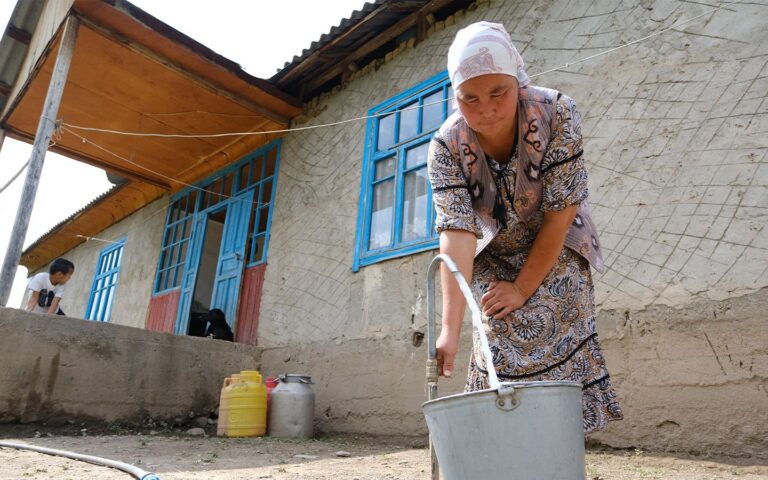
The Tajikistan Rural Electrification Project will finance the construction of electricity generation and distribution infrastructure to provide off-grid solutions or connect to the central grid vulnerable communities in Tajikistan’s Gorno-Badakhshan Autonomous Region (GBAO) and southern Khatlon province. In Khatlon, over 31,000 people living in 74 settlements in the poorest areas along the border with Afghanistan will be connected to the electricity grid, while over 11,500 residents residing in 61 largely scattered and remote settlements in GBAO will be connected to locally generated electricity.
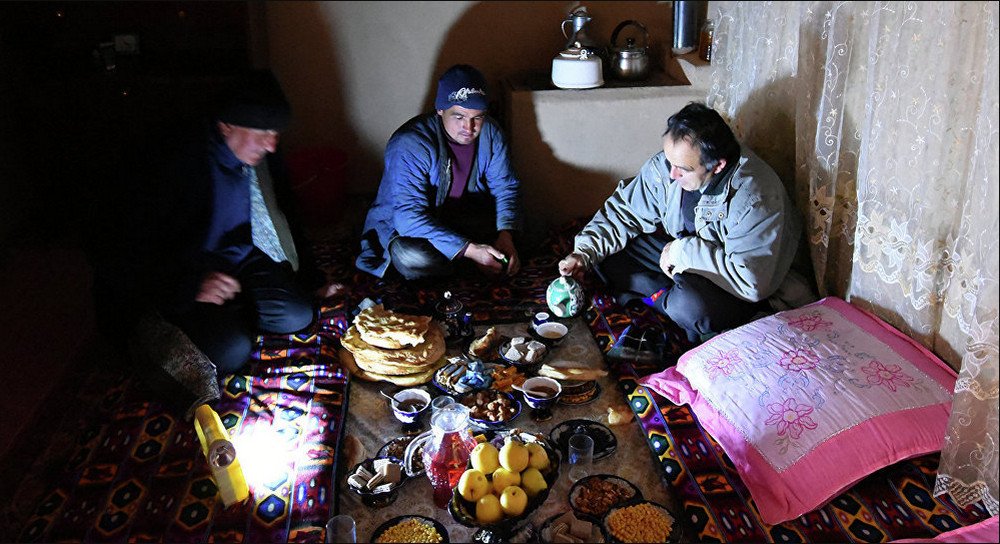
The electrification of these communities is a priority for the Government of Tajikistan, reflecting significant social and economic costs that are associated with, inter alia, the lack of access to clean, safe, and affordable energy sources. For example, constant exposure to smoke from burning firewood, fuels, and biomass as well as the inability to boil water has had serious health implications. Access to electricity will improve the living conditions of people, expand opportunities for economic activity, and improve health and the access to basic social services.
The project will support additional studies required for the construction of the Sebzor Hydroelectric Power Plant (HPP), located in GBAO. The 11 MW Sebzor HPP, with estimated annual electricity generation of 74.5 million kWh and construction costs of $33.7 million, will help to meet the electricity demand of target communities in GBAO and the export demand from the Badakhshan Province in Afghanistan.
Developments partners – the European Union, KfW, SECO and USAID – have agreed to allocate about $50 million to support the Government of Tajikistan in construction of the Sebzor HPP and address other challenges in the energy system of GBAO. The Tajikistan Rural Electrification Project is financed under a $98.7 million envelope received by Tajikistan under the World Bank’s pilot Risk Mitigation Regime (RMR). Tajikistan is among four countries globally which have received additional funding to its regular allocation to address risk factors of fragility, conflict, and violence (FCV). Several diagnostic studies have identified economic risk factors (limited employment opportunities) as well as those of security (emanating from a 1,400 km border with Afghanistan), and social development (weaknesses in public service delivery especially in remote areas and high rates of rural poverty), which contribute to social and economic exclusion and vulnerability of several segments of the rural populations in both regions. The other RMR-financed projects – the Rural Economy Development and the Socio-Economic Resilience Strengthening Projects – were approved by the World Bank in June 2019.
The World Bank’s active portfolio in Tajikistan includes 17 projects, with net commitments of $683 million. The new Country Partnership Framework for 2019-23 aims at helping Tajikistan to take advantage of emerging opportunities, transforming its economy, and improving the livelihoods of its citizens.