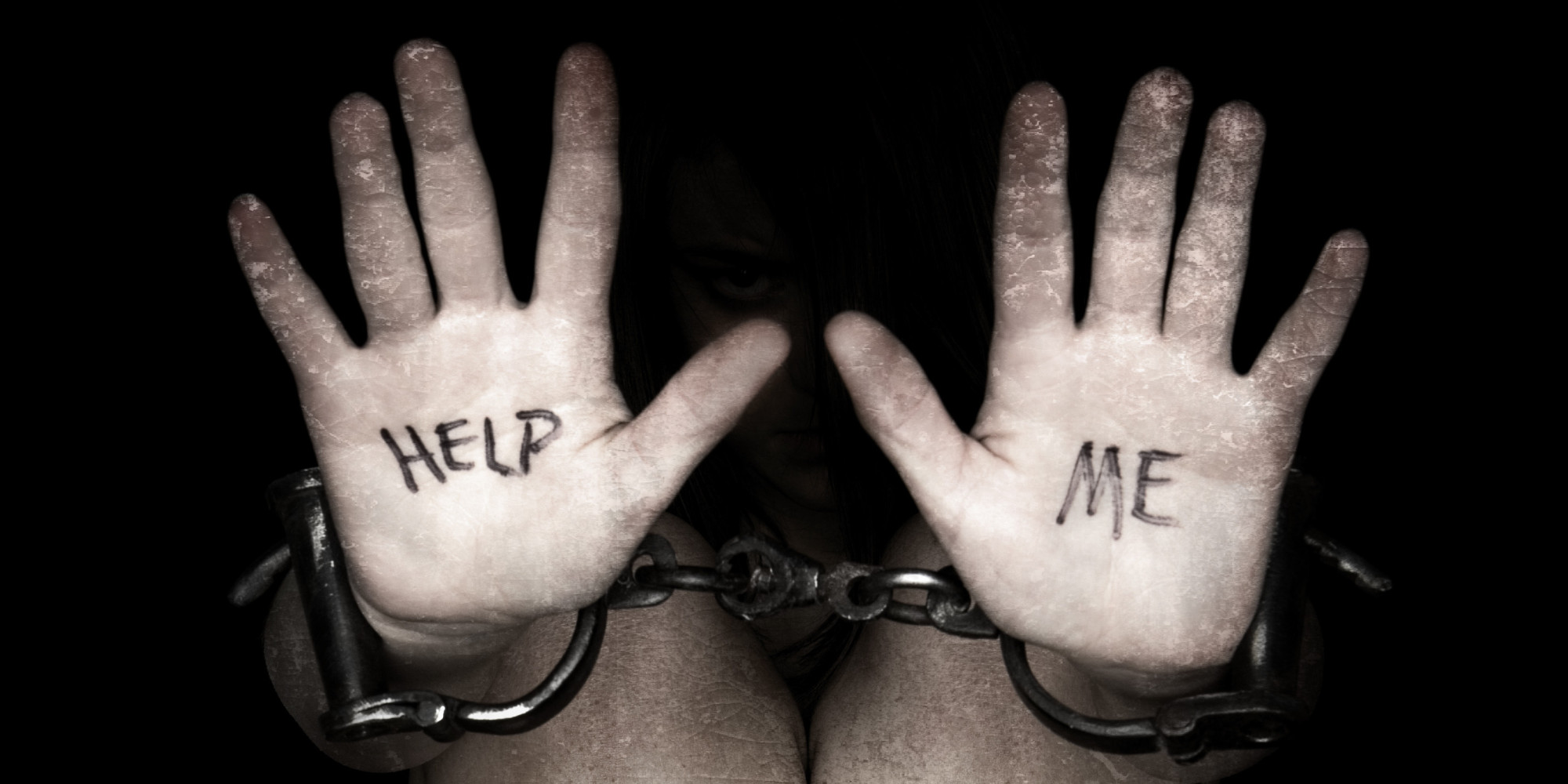
So far this year the International Organization for Migration (IOM) in Tajikistan has provided direct assistance to 17 victims of trafficking and prevented eight other cases of potential trafficking, most of whom were male, according to the IOM Mission to Tajikistan. This is a big increase from 2018, when over the course of an entire year IOM Tajikistan assisted 20 adult Tajik nationals, 19 of them women, to return home and access reintegration assistance.
Many of these victims were reportedly rescued from sexual and labor exploitation in the United Arab Emirates and the Kingdom of Saudi Arabia.
With these cases as context in Tajikistan, high-profile initiatives are being organized by IOM Tajikistan to mark World Anti-Trafficking Day, which takes place annually on 30 July.
One day before the commemoration, the top youth debate teams from across Tajikistan will convene in the capital, Dushanbe, to compete in a two-day national debate tournament. The topic: trafficking in human beings, which is intended to increase awareness in Tajik society of human trafficking and the need to protect the rights of victims.
The final round of the tournament brings together 36 high school and university students from Dushanbe and the districts of Sughd, Khatlon and the Gorno Badakhshan Autonomous Region (GBAO). The finalists have won qualifying rounds at district level through debates on child labor and children rights, benefits and risks of migration, and migrants’ rights.
Fighting human trafficking in Tajikistan and the consolidation of the country’s victim-centered support system also will be at the heart of an academic conference to be held on July 30 at the Tajikistan National University (TNU), organized by IOM partnering with the TNU National Training Centre on Fighting Human Trafficking and Tajikistan’s Inter-Ministerial Anti-Trafficking Committee.
Local think tanks, academia, civil society and government agencies will explain their victim-centered efforts and experience while discussing new uses of technology to fight these crimes in Tajikistan. Other topics on the agenda include legal representation of victims during investigation and prosecution; full support packages for victims; prevention of re-victimization and stigma; the use of the internet in preventing human trafficking and irregular migration; regional and global best practices, and Tajikistan’s international commitments.
“Most of the victims assisted by IOM are referred to us by the Tajik authorities, thanks to our close cooperation in detecting and protecting victims. We are equally proud and honored by our partnership with the Tajik civil society. Our cooperation with over 20 non-governmental organizations around the country has grown stronger over years of working together in securing legal, medical, education and psychological assistance to victims,” explained Cristina Gheorghe Tranca, Chief of Mission, IOM Tajikistan.