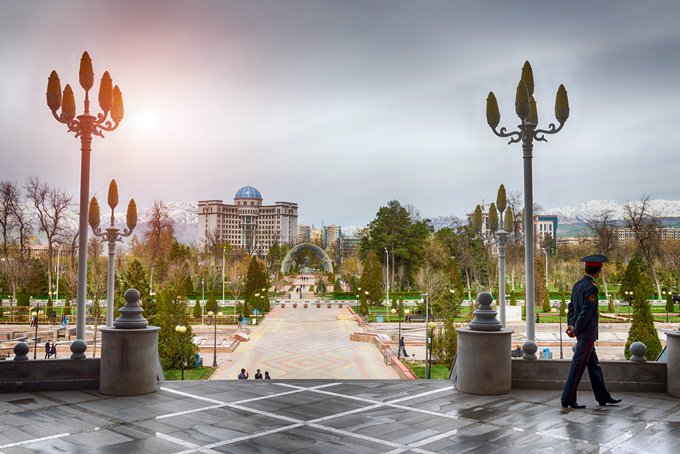
Dushanbe has been named the Economic Cooperation Organization (ECO) tourism capital for 2020-2021. The decision was made during the third edition of the meeting of the ECO tourism ministers that took place in Khujand, the capital of the Tajik northern Sughd province, on October 3-4.
The meeting was presided over by Tajikistan, according to the Tourism Development Committee under the Government of Tajikistan.
An official source within the Tourism Development Committee says Tajikistan is taking its first sustainable steps towards development of tourism and “the study of relevant international experience is very important in this process.”
Meanwhile, Iran’s non-government newspaper Financial Tribune says the meeting made a decision that Iran will host the 2021 meeting of Economic Cooperation Organization’s tourism ministers.
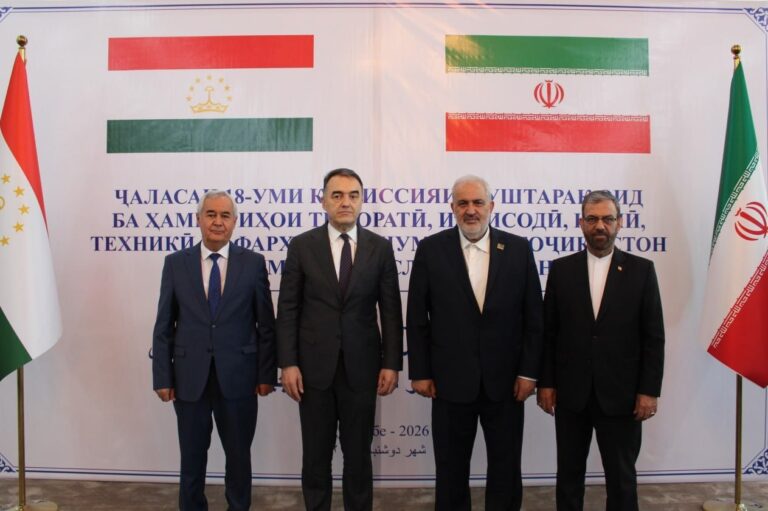
Upon his arrival in Dushanbe, Iranian Minister of Cultural Heritage, Tourism and Handicrafts Ali Asghar Mounesan reportedly met with Tajik Foreign Minister Sirojiddin Muhriddin. The two sides surveyed ways of expanding bilateral cooperation in different fields, tourism in particular.
The Economic Cooperation Organization or ECO is a Eurasian political and economic intergovernmental organization which was founded in 1985 in Tehran by the leaders of Iran, Pakistan and Turkey. Afghanistan, Azerbaijan, Turkmenistan, Kazakhstan, Uzbekistan, Tajikistan and Kyrgyzstan later joined the economic bloc, which provides a platform to discuss ways to improve development and promote trade and investment opportunities. The ECO is an ad hoc organization under the United Nations Charter (Chap. VIII). The objective is to establish a single market for goods and services, much like the European Union. ECO's secretariat and cultural department are located in Iran, its economic bureau is in Turkey and its scientific bureau is situated in Pakistan.
The nature of ECO is that it consists of predominantly Muslim-majority states as it is a trading bloc for the Central Asian states connected to the Mediterranean through Turkey, to the Persian Gulf via Iran, and to the Arabian Sea via Pakistan. The current framework of ECO expresses itself mostly in the form of bilateral agreements and arbitration mechanisms between individual and fully sovereign member states.