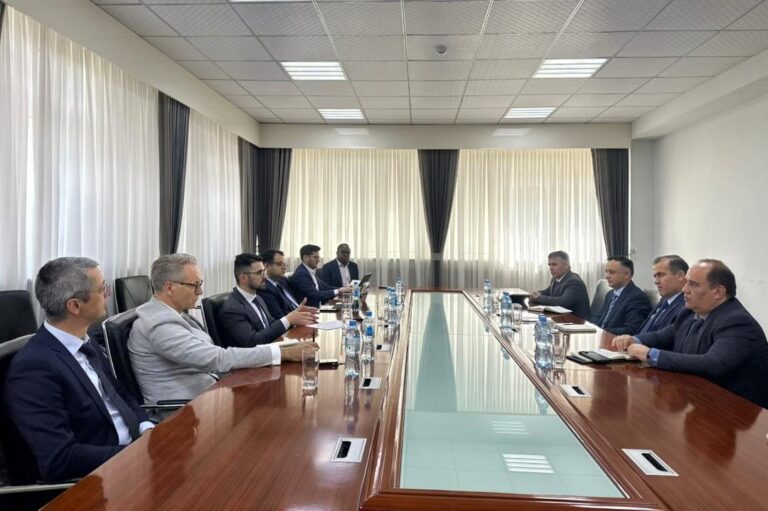
An International Monetary Fund (IMF) mission led by Ms. Padamja Khandelwal visited Dushanbe from September 23 to October 4h to conduct the 2019 Article IV Consultation.
During its visit, the team met with the First Deputy Prime Minister, the Chairman of the National Bank of Tajikistan (NBT), the Minister of Finance, the Minister of Economy Development and Trade, the Minister of Energy and Water Resources, the Minister of Industry and New Technologies, and other senior officials. The mission also met with representatives of the Parliament, the banking sector, civil society and the development partner community.
The discussions covered recent economic developments, the near- and medium-term outlook, risks to the economy, developments in the financial sector, and economic policies needed to restore stability and build the foundations for strong, sustainable, and inclusive growth.
At the end of the visit, Ms. Khandelwal issued the following statement:
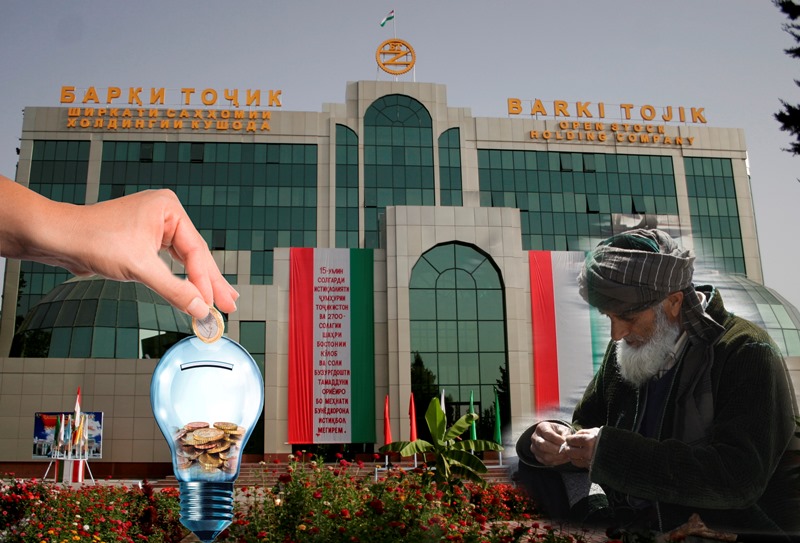
“The IMF team has had productive discussions with the Tajik authorities, noting that macroeconomic stability has been maintained despite a widening of the fiscal and external deficits, and financial sector reforms have continued. Reforms to the state-owned energy company, including annual increases in tariffs for residential consumers, have helped reduce losses in this sector.
“The team recommends four main policy actions: 1) fiscal consolidation to ensure fiscal sustainability and reduce the risks of debt distress; 2) allowing greater exchange rate flexibility and improved operations in foreign exchange markets to support external adjustment to a weaker global environment; 3) a stronger monetary policy framework to support the transition towards inflation targeting; and 4) further financial sector reforms (including a resolution of insolvent banks) to restore confidence.
“A growth-friendly fiscal consolidation can be achieved through a mix of revenue and expenditure measures, while strengthening the social safety net to protect poor and vulnerable groups. Priority structural reforms to boost growth include improving the efficiency and oversight of public investment, especially on large infrastructure projects, and creating a more equitable and predictable tax code; strengthening the independence of the National Bank of Tajikistan (NBT) and developing domestic debt markets; and strengthening the financial sector through enhancements of the macroprudential policy framework, the anti-money laundering/counter financing of terrorism (AML/CFT) regime, and bank governance.”