New Poverty Outlooks for Central Asian countries, released by the World Bank ahead of International Day for the Eradication of Poverty on October 17, say that although poverty rates in Central Asia continue to decline overall, the pace of poverty reduction is slowing. High levels of poverty reportedly remain in pockets of rural and remote areas, which also suffer from lack of employment opportunities.
Since the 2000s, all Central Asian countries have made significant progress in reducing poverty, but most of this progress occurred in the first few years of that decade.
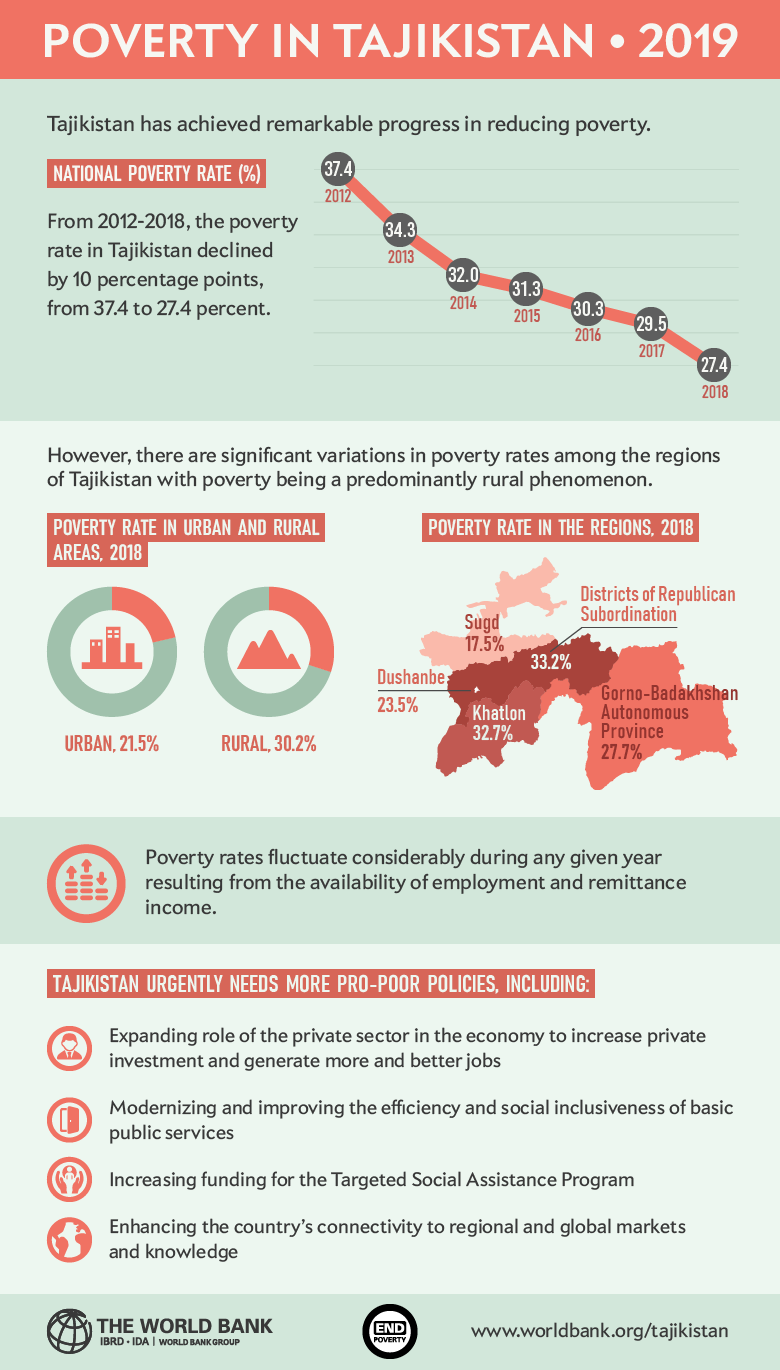
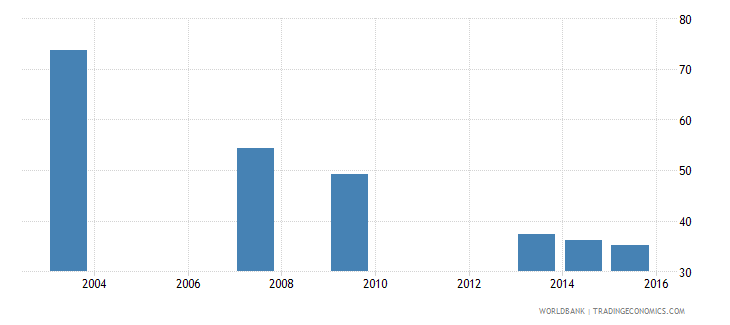
In the eight years from 2002 to 2009, the poverty rate dropped an average of seven percentage points per year in Tajikistan – down from nearly 70 percent to 25. Since then, however, poverty rate has fallen much more slowly in the country: by only one percentage point per year on average (from 25 percent to a projected 13 percent in 2019).
The slowing rate of poverty reduction in Central Asian countries reflects several economic challenges, as well as difficulties securing jobs with decent incomes for vulnerable groups of the population.
Recently published poverty maps for Central Asian countries reveal that many of the remaining poverty hotspots in the region are in rural areas that lack close integration with urban growth centers. This is especially pertinent for parts of Tajikistan and the Kyrgyz Republic, where poverty rates are above 40 percent in the most remote districts.
The analysis also finds that the middle-class in Central Asia is almost entirely concentrated in and around a handful of big cities: Nur-Sultan, Almaty, Tashkent, and to a lesser extent, in Dushanbe and Bishkek. One of the main challenges faced by all countries in the region is ensuring that people are not excluded from these dynamic labor markets.
The World Bank recommends policies that provide greater employment opportunities for people, expanding the availability of affordable housing in growing and prosperous cities, encouraging faster wage growth, and supporting vulnerable groups so they can be more competitive in the labor market.
Below is World Bank’s infographics “Poverty in Tajikistan 2019”: