The Supreme Court of Tajikistan has ordered chairpersons of courts to take the amnesty process under their control, according to the Supreme Court press center.
This issue was reportedly discussed at a meeting that took place on October 19 to review the results of work carried out by the county’s judicial system over the first nine months of this year.
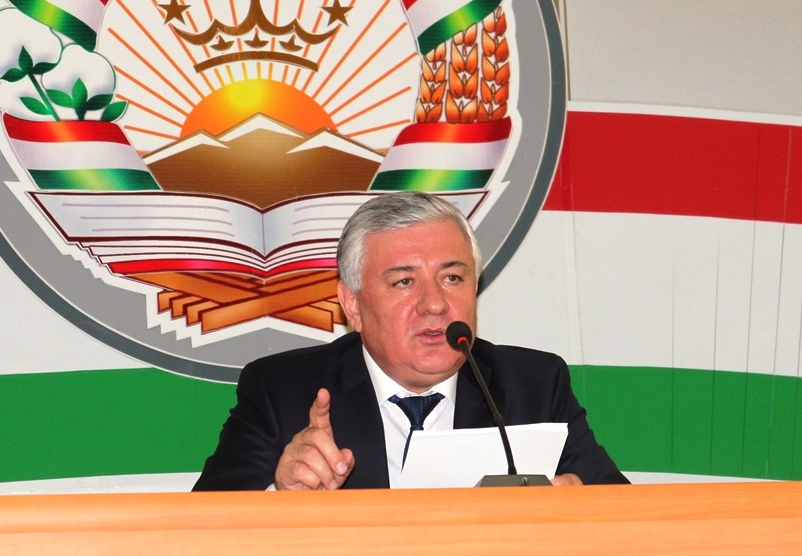
Speaking at the meeting, Shermuhammad Shojhiyon, the head of the Supreme Court, orders judges to take adequate measures to remove shortcomings existing in courts’ activities and take the implementation of the amnesty law under a special control, the Supreme Court press center said.
According to data from the Supreme Court press center, Tajik courts have received more than 120,000 cases, petitions and applications for consideration over the first nine months of this year, which was 633 cases more than in the same period last year.
Recall, President Emomali Rahmon has proposed that parliament adopt a law on a mass amnesty affecting some 20,000 people, including foreign nationals, to mark the 25th anniversary of the Central Asian nation's constitution.
According to the presidential proposal, placed on Tajik president’s official website on October 16, more than 3,000 convicts would be released from penitentiaries and more than 5,000 individuals whose sentences were not associated with imprisonment will be pardoned as well.
The amnesty is also applied to 2,000 defendants and suspects awaiting legal proceedings in pretrial detention facilities and probe against them will be stopped.
Prison terms of almost 10,000 inmates will be shortened, according to the presidential proposal.
The draft law has already been submitted for consideration to Tajikistan’s lower house (Majlisi Namoyandagon) of parliament.
Prisoners eligible for release under the upcoming amnesty include people with disabilities, World War II veterans, military deserters, convicts over 55, and those suffering from cancer or other serious illnesses. The amnesty also extends to persons serving jail terms for economic crimes if they pay damages.
The amnesty also extends to persons serving their jail terms for serious crimes who have served three-quarters of their terms — except for those found guilty of murder, terrorism, human trafficking, rape, torture and so forth.
There have been fifteen mass amnesties in Tajikistan since it gained its independence following the collapse of the Soviet Union in 1991. The amnesties have not affected individuals convicted on politically motivated charges.