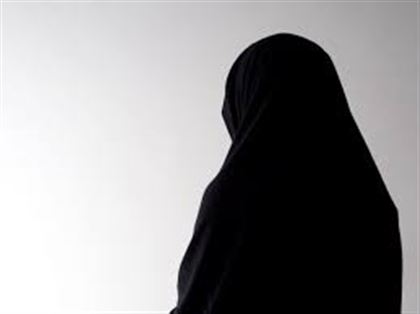
Wearing a hijab is not forbidden in Tajikistan, but the authorities recommend that women do not wear black hijabs.
The post of Shahnoza Islamova on how her niece was taken to police station in Dushanbe’s Shohmansour district just for wearing black hijab has been lively discussed in Facebook’s group “Ya Dushanbinets” (I Am Dushanbinian).
Shahnoza wrote that policemen had called her niece terrorist and threatened with 15 days of imprisonment due to the fact that she had refused to take off her headscarf.
“When my grandma and uncle came to the police station, policemen said that it is president’s decree and they just comply with this decree. When our relatives asked them to show that decree they said ‘the decree in the hands of the president himself’,” Shahnoza wrote.
Shahnoza further added that her niece had been fined 175 somoni.
She told Asia-Plus that her niece works as trade representative. “So far so good, but resentment from yesterday does not pass,” Shahnoza told Asia-Plus yesterday afternoon.
We have called to the Shohmansour police station in order to get more details of the incident but the person who answered us by phone said that he is not aware of that case and cannot answer our questions.
Recall, the Tajik authorities – particularly in Dushanbe and the northern city of Khujand – have been carrying out a massive renewed campaign against women wearing the hijab (Islamic headscarf) since late spring of 2017.
In mid-July of 2017, working groups, which included police, employees of the Committee for Women and Family Affairs, and officials of the Committee for Religious Affairs (CRA) – raided bazaars and public places to reveal those who wear the hijab to punish them. Such raids were publicized in the local media and on national TV Channel Jahonnamo in mid-July, 2017.
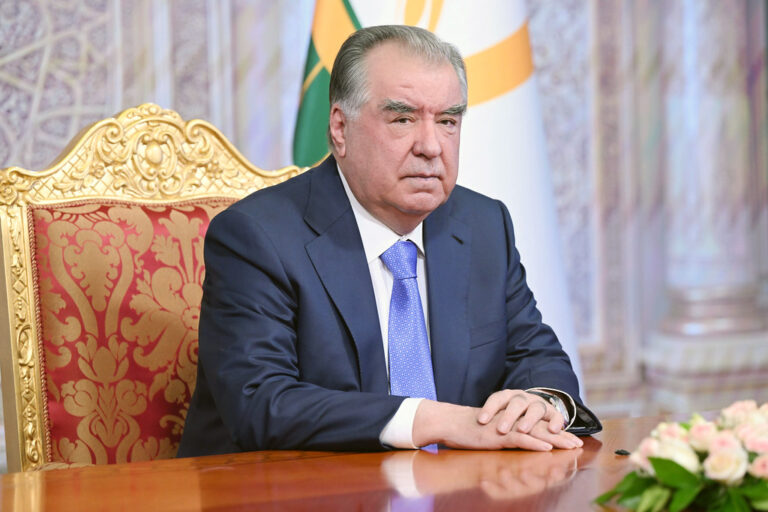
In mid-July President Emomali Rahmon and other officials made public statements against wearing the hijab and beards.
According to some source, women wearing the hijab were punished with fines and in some cases their husbands were questioned and held in police custody.
Tajik officials, however, denied that anyone had been harassed or claimed the raids were merely an “awareness campaign.”
Tajik lawmakers in August 2017 approved legislation that obliges individuals and organizations “to stick to traditional and national clothes and culture,” a move widely seen as an effort to discourage people from wearing the hijab and Islamic clothing.
On August 23, 2017, the Majlisi Namoyandagon (Tajikistan’s lower chamber of parliament) passed the bill — an amendment to an existing law governing the practice of traditions, rites, and celebrations.