Since the adoption of the Universal Declaration of Human Rights, there have been advancements such as a decline in genocide and the number of people killed in war, and improvements in life expectancy and infant mortality, according to the report by UNDP Eurasia (Europe and Central Asia).
However, human rights remain under threat in many places around the world, especially the measures to end discrimination and promote greater justice, the report says noting that threats and vulnerabilities of people towards discrimination, exclusion and violence remain high in the region of Eastern Europe and Central Asia.
The report outlines six major human rights problems facing Eastern Europe and Central Asia:
1) Shrinking civic space. Civil society organizations are facing increasingly restrictive laws and regulations for their registration, access to funding and participation in public affairs. Human rights defenders receive threats and attacks in both online and offline space for their legitimate actions, often without accountability of their perpetrators.
2) Divisive ethnic and nationalistic rhetoric continues to undermine trust between communities. In Western Balkans, the progress towards reconciliation is stalled, and political and criminal accountability for war crimes remains limited. Resolving the fate of over 10,000 people still missing is a pressing social need.
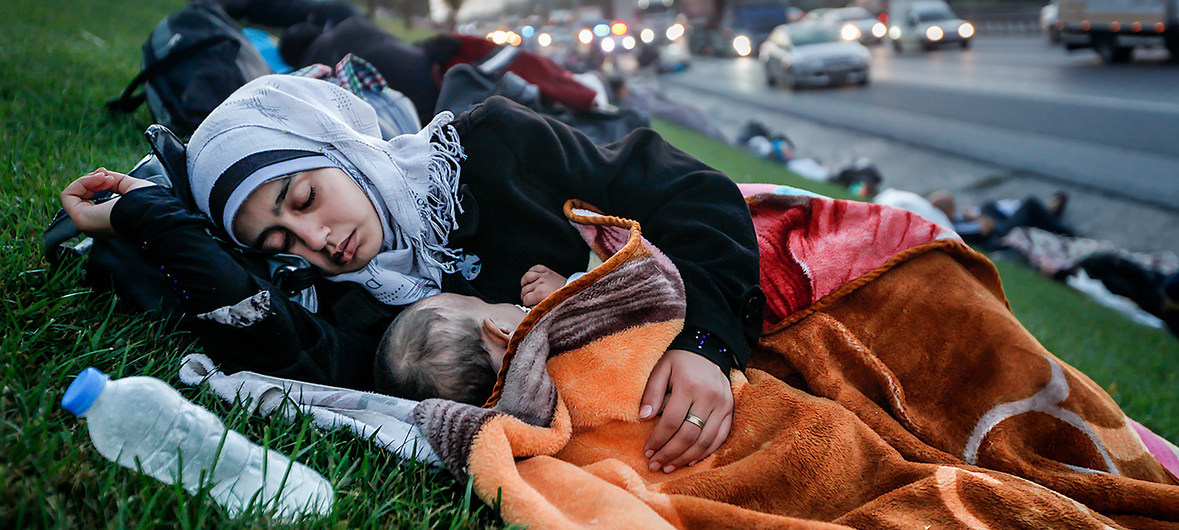
3) Displacement is on the rise. Conflict has internally displaced 1.4 million people in Ukraine. Turkey hosts around 3.6 million registered Syrian refugees, among which up to 80 percent are living below the poverty line. Around 5 million Central Asian labor migrants who work in Russia, Turkey and Kazakhstan face daily discrimination and lack adequate legal and social protection.
4) The push for “traditional or family values” contributes to widespread harassment, discrimination and violence against women, children, persons with disabilities, minorities and the LGBTQI community. What’s especially distressing is that these groups often lack adequate legal anti-discrimination remedies, where such anti-discriminatory framework exist, implementation of laws often lags behind. Traditional values may also fuel negative stereotypes and harmful practices and be used as justification for violations of human rights.
5) Women remain subject to discrimination and violence and are denied access to positions of power and/or leadership, through both active and passive discrimination. Indeed, the most unsafe place for women remains their own homes, as women are most likely to be killed by intimate partners and family. Although women make up slightly less than half the labor force in the region, they earn on average 30 percent less than men. Women’s labor force participation rates for ages 15–64 range from a low of 29 percent in Turkey to a high of 78 percent in Kazakhstan. Only one in five firms in the region have women in top managerial positions.
6) People with disabilities are still among the most marginalized groups across the region. Around 16.5 million people living with disability face a wide range of issues, such as the lack of educational opportunities, reduced access to health and social services, and exclusion from political decision-making processes and income generation and employment opportunities.
Such strenuous trends confronting the region and the globe require stronger collective commitment to human rights, says the report.
UNDP's goal in Europe and Central Asia is to help eradicate poverty in all its forms, accelerate the transition to sustainable development, and make sure countries and people are able to withstand crises and shocks. It works to make sure the most vulnerable and excluded are not left behind, develops game changing solutions to accelerate sustainable development, and promotes prevention and preparedness against crises and shocks.