Tajikistan will receive US$26 million for improvement of rural infrastructure within CASA 1000 CSP

Tajikistan will receive 26 million of U.S. dollars for improvement of rural infrastructure within the framework of the CASA 1000 Community Support Project (CASA 1000 CSP).   By president’s decrees relevant draft agreements signed with the International Development Association (IDA), the part of the World Bank that helps the world's poorest countries, and Multi-Donor Trust Fund […]

Tajikistan will receive 26 million of U.S. dollars for improvement of rural infrastructure within the framework of the CASA 1000 Community Support Project (CASA 1000 CSP).  

By president’s decrees relevant draft agreements signed with the International Development Association (IDA), the part of the World Bank that helps the world's poorest countries, and Multi-Donor Trust Fund have been approved.  

The Ministry of Finance is ordered to sign the agreement on behalf of the Government of Tajikistan.  

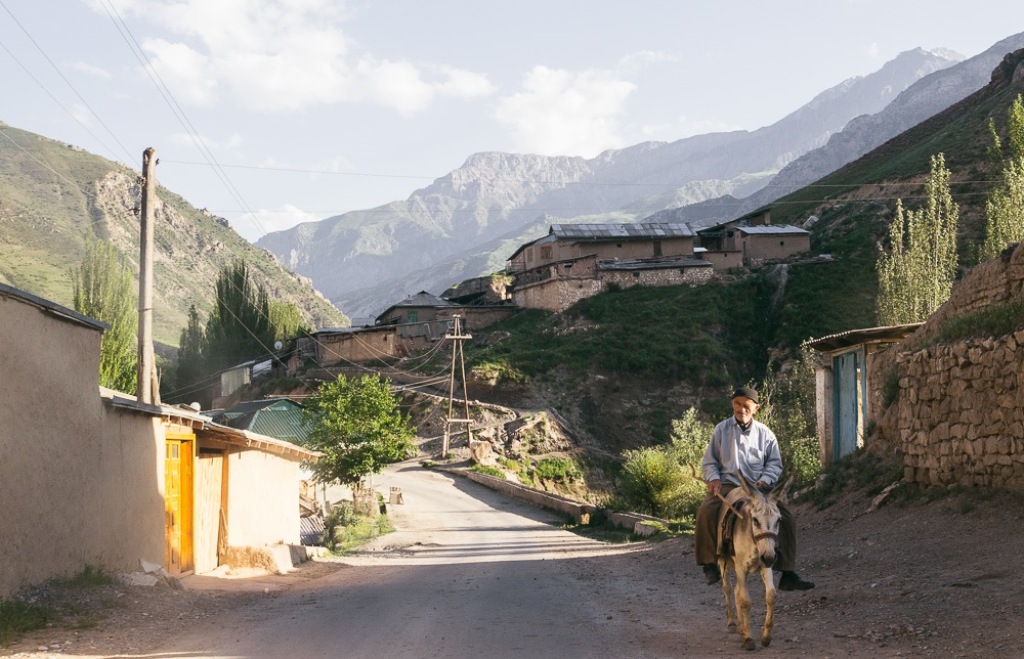
Villages that are home to around 200,000 citizens in rural Tajikistan will gain better local infrastructure thanks to support from the CASA1000 Community Support Project for Tajikistan.    

These villages are located along the transmission line supported by the Central Asia South Asia Electricity Transmission and Trade Project (CASA1000).

An additional $2 million is being provided from the CASA1000 Multi-Donor Trust Fund, with funding by the United Kingdom’s Department for International Development (DfID) and United States Agency for International Development (USAID).

The CASA1000 Project, which aims at facilitating energy trade along the transmission line in the Kyrgyz Republic, Tajikistan, Afghanistan, and Pakistan, was approved by the World Bank in March 2014 and has entered its construction phase. To ensure benefits to communities that are situated along the transmission line, the World Bank has initiated Community Support Projects in all four participating countries by investing in local-level infrastructure improvements.  The Tajikistan portion of the 170-kilometer transmission line extends from the northern Sughd province to the southern Khatlon province.  

In total, over 130,000 people residing in 60 villages and 24 jamoats in Sughd, Khatlon, and Districts Subordinate to the Center, will benefit directly from the project.  In addition, 73,000 local residents of the Isfara district in Sughd province will benefit from socio-economic investments and facilities for the construction of the Isfara-1 electricity substation and distribution network.

Join us on social media!

Article translations:

Related Article

Оби зулол
Оби зулол
Tenisi

Most Read

Коммерсбонк Точикистон

Recent Articles

RZD announces the restoration of passenger services between Moscow and Dushanbe

Direct rail services between the capitals of Russia and Tajikistan were suspended in March 2020 due to the COVID-19 pandemic.

#AP30/Stories. “Selam! Heller nichek?” How Tatars live today in Sughd province

On the 30th anniversary of "Asia-Plus," we continue to publish reports that remain relevant even after years. This story was told in 2021, and since then, little has changed in the life of the Tatar community in Tajikistan.

15,000 cameras, drones, and robots: how technology monitors pilgrims in Mecca and Medina

During Hajj 2026, Mecca and Medina were under unprecedented digital control.

Another child in Dushanbe removed from family and sent to boarding school

The Ministry of Internal Affairs reports that the parents did not pay adequate attention to the child.

Emomali Rahmon instructs to address issues in seed production following criticism of the industry

Issues have been noted with certification, seed quality, and the material and technical base of the industry.

Water, climate, and a $130 billion deficit: seven key outcomes of the Water Conference in Dushanbe

At the forum, countries and international organizations discussed new mechanisms for cooperation, investments, and technologies that are essential for addressing the global water crisis.

Eskhata Bank introduces a new generation children’s wallet

"Eshkata Bank" has created a full-fledged digital platform that helps children aged 7 to 16 learn how to manage money.