President Emomali Rahmon has approved amendments made to the country’s civil code. According to these amendments, management of state-owned enterprises (SOEs) will be passed step-by-step from their heads to supervisory boards that will be established at them.
The government, which is the founder of the state-owned enterprises, remains the parent body of the state-owned enterprises.
The law on amendments made to the civil code came into effect last week after it was published in Jumhuriyat, an official mouthpiece of the government.
Earlier, relevant changes had been made to the country’s law on state-owned enterprises.
Tajikistan’s lower chamber (Majlisi Namoyandagon) of parliament endorsed these amendments on October 23, 2019. The amendments, in particular, provide for establishing supervisory boards at state-owned enterprises.
Tajik authorities say these measures are aimed at facilitating implementation of the strategy for management of fiscal risks at SOEs designed for 2016-2020.
In accordance with the current law on the state-owned enterprises, the head of the enterprise acts on the principles of unity of command and decides all issues related to the enterprise operations independently. The amendments reportedly provide for establishing supervisory boards at SOEs that will provide control and transparency of the financial activities of SOEs.”
The amendments determine the supervisory board as a management body and a head of enterprise as an executive body.
Members of supervisory boards and heads of enterprises will be appointed by the government.
According to the head of the State Committee on Investment and State-owned Property Management (GosKomInvest) Farrukh Hamraliyev, the supervisory board provides overall management activities of a state-owned enterprise, with the exception of issues, which relate to authority of floater (government) and heads of enterprises.
The supervisory board’s powers reportedly include priorities of enterprise’s activities, approval of the annual budget, endorsement of annual budget, reporting and auditor as well as other issues.”
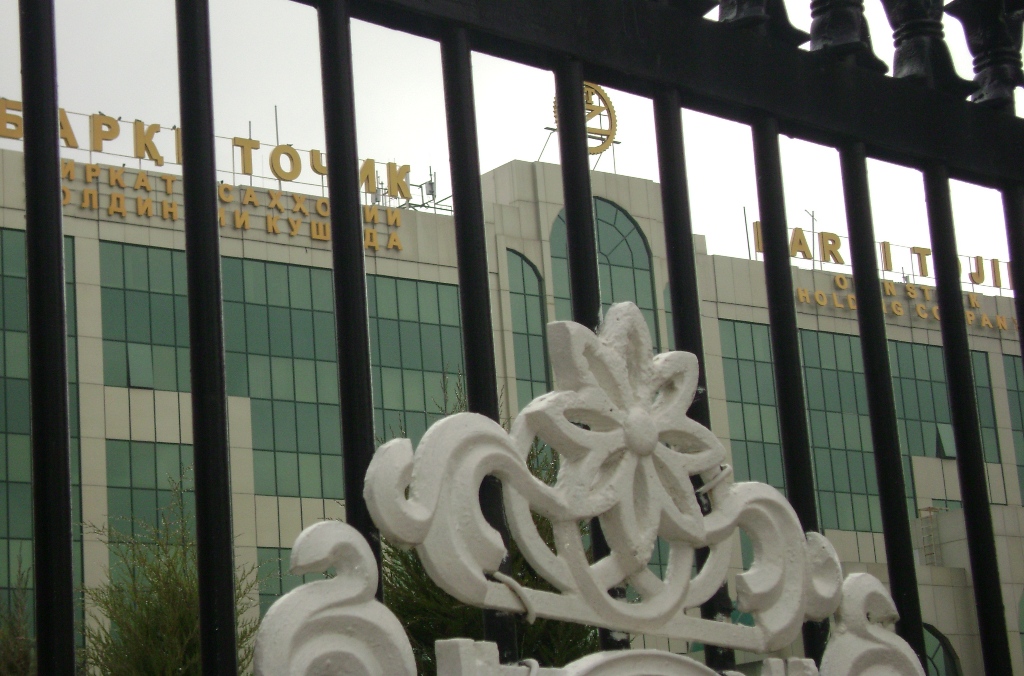
According to the statistical data from GosKomInvest, 789 state-owned enterprises now operate in Tajikistan.