The fact that Tajikistan and Uzbekistan have discussed construction of hydropower plants in Tajikistan for generation of electric power for Uzbekistan underscores profound changes over the past three years. The neighbors otherwise exchange very little, according to Eurasianet.
Recall, a Tajik government delegation led by Deputy Minister of Energy and Water Resources Jamshed Shoimzoda, on January 30 met in the Uzbek capital of Tashkent with an Uzbek government delegation led by Abdughani Sanginov, Head of Open Joint-Stock Company (OJSC) UzbekHydroEnergo (UzHydro), according to the UzHydro press center.
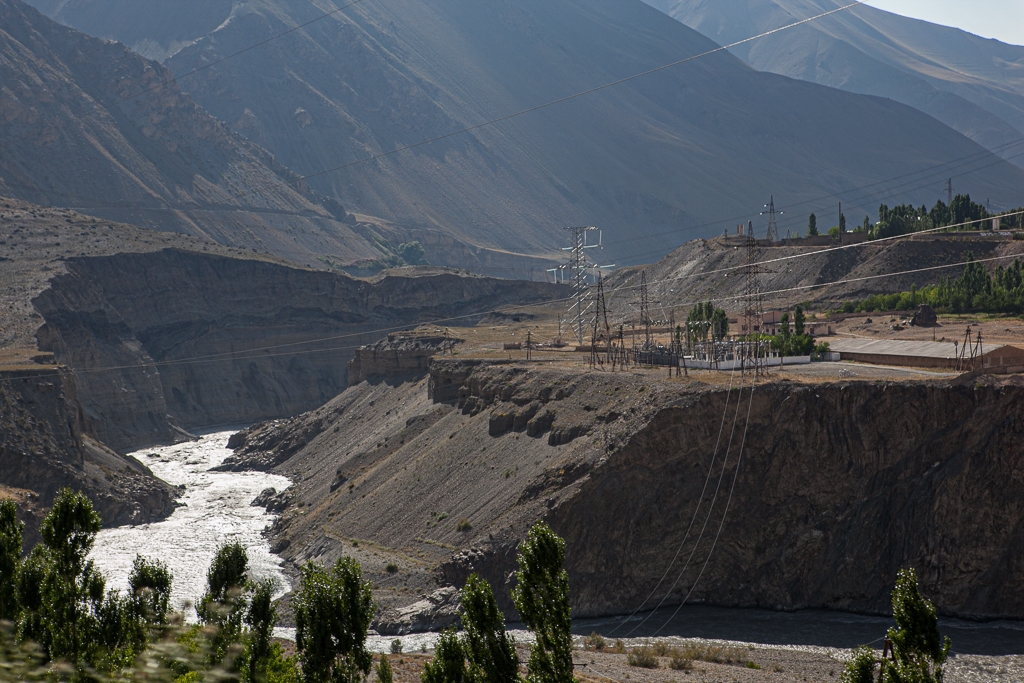
The parties reportedly discussed details of implementation of Tajik-Uzbek joint project on construction of the Yavan hydroelectric power plant (HPP) on the Zarafshon River in the Tajik northern district of Ayni.
An estimated budget for construction of this 140 MW hydropower plant is 282 million U.S. dollars.
At the next stage, the parties are expected to discuss the possibility of construction of a 135 MW hydropower plant on the Fon Daryo River in the Sughd province. A total cost of this project is 270 million U.S. dollars.
Electricity generated by these hydropower plants will be used solely for Uzbekistan’s needs, UzHydro press center said.
At the same time, Tajik officials announced plans to buy 200 million cubic meters of gas from Uzbekistan this year, up from 140 million in 2019 (which was again significantly larger than the 55 million it imported in 2018).
For all this bonhomie, trade between the two countries remains low for neighbors, according to Eurasianet. Uzbekistan, for example, imported more from distant Lithuania in 2018 than from Tajikistan.
Eurasianet says that between 2010 and 2015, Uzbekistan imported Tajik goods worth all of $7.45 million (according to IMF data). Over the same period, Uzbekistan’s total imports were worth about $93.3 billion (so a back-of-the-envelope calculation makes imports from Tajikistan something like 0.008 percent of the total).
Turnover has grown in recent years, totaling 362 million U.S. dollars in 2019.
Both countries are mainly commodity exporters (gold comprises a major share of exports for each), according to Eurasianet.
Energy cooperation, however, offers the two plenty of trade complementarities. Tajikistan lacks hydrocarbon reserves and possesses significant hydropower potential. Uzbekistan has decent reserves of natural gas, but few mountainous rivers.
As they increase cooperation, the two sides seem to be resurrecting a Soviet system that worked: Tajikistan provides hydropower in summer and Uzbekistan provides gas (or gas-generated electricity) in winter, according to Eurasianet.