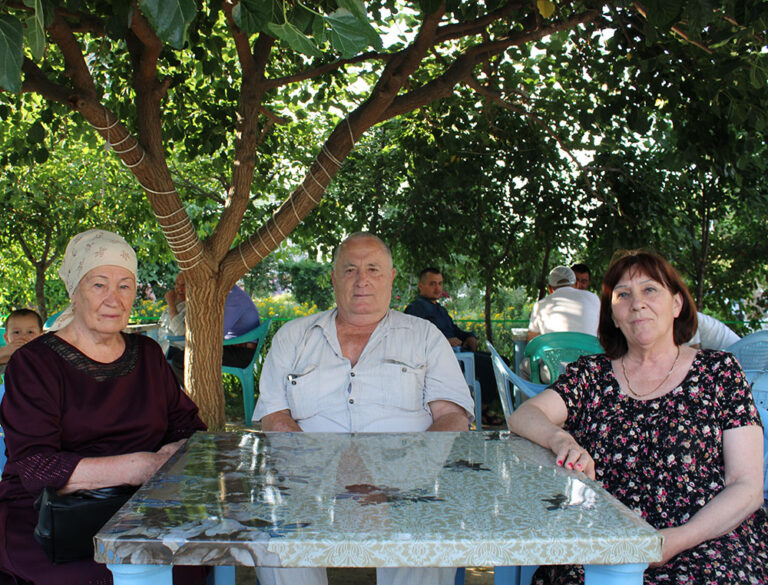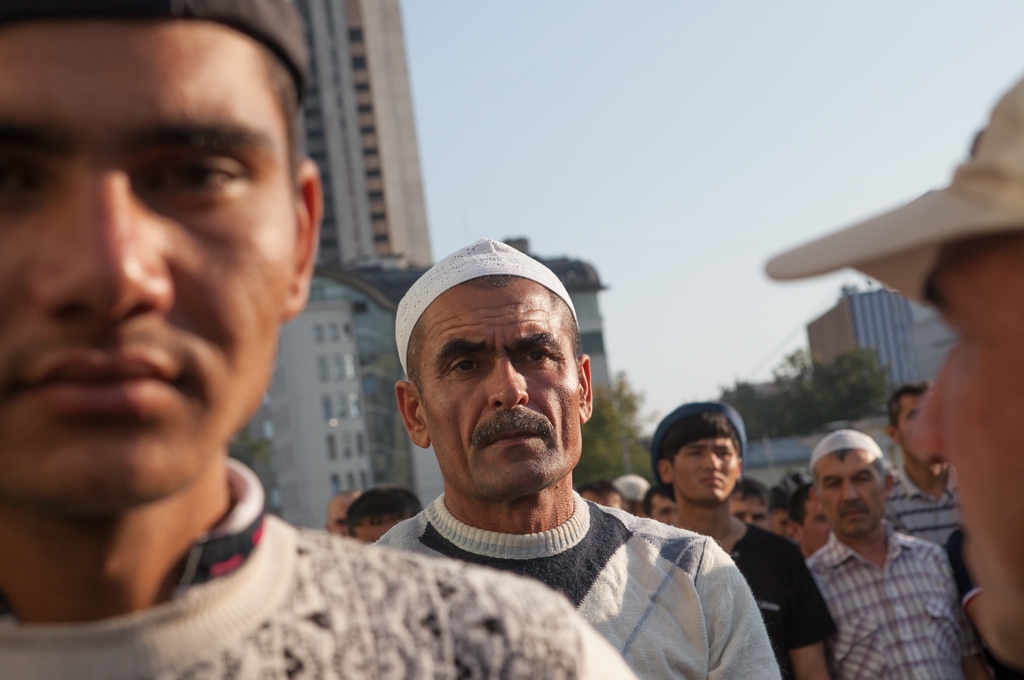
With the coronavirus crisis showing few signs of abating in Russia, Tajik migrant laborers who rely on their jobs there to feed families back home are stuck, according to Eurasianet..
They are not needed in Russia, where the economy has juddered to a near-total halt. And the government in Tajikistan is making little or no effort to bring them back.
Labor migration is a seasonal business. Hundreds of thousands of Tajiks travel abroad each year, primarily to Russia, to take up jobs on building sites, in warehouses and industrial plants.
Those who made it to Russia before the scale of the crisis became evident are now stranded.
Tajiks usually need to pay a monthly work permit fee that can range, depending on the region where they are employed, anywhere up to 5,500 rubles ($75).
Russia’s Interior Ministry told daily Moscow-based newspaper Komsomolskaya Pravda on April 3 that it estimated there were still 507,000 Tajik nationals in the country. All routes home have been closed to them. The Tajik civilian aviation body on March 19 ruled that all air traffic would be suspended immediately as a protective measure. Trains were stopped too.
Hundreds trying to leave Russia were for a while stranded in airport transit zones. Some charter flights were arranged, but the fares cost anywhere up to $440, almost twice the normal price.
Migrants were granted some much-needed relief on April 18, when Russian President Vladimir Putin signed a decree lifting the requirement for migrants to renew their work permits for the period from March 15 to June 15. Workers will also be permitted to live in Russia without extending their residency registration. Violating that rule often culminates in deportation and extended bans from re-entry.
That only fixes part of the problem. Labor migrants in Russia live from month to month, usually without any financial reserves to cushion them in times like these. As for sending money home, that is a matter of deepening apprehension.
The generosity of some businesspeople has provided crumbs of reliefs. When migrants were marooned in airports, one Moscow restaurant owner, Alexei Khodorkovsky, delivered packed meals.
Russia-based Tajik businessman Mehriddin Idiyev has sheltered dozens of his countrymen in his own home.
Idiyev, who owns a construction business, has also allowed Tajik expatriates struggling to find places to live to take up residence on his idle building sites.
Tajikistan’s ambassador in Moscow, Imomuddin Sattorov, has pleaded with heads of companies in Russia to at least refrain from laying off Tajik workers altogether.
Karimjon Yorov, a Tajik rights activist based in Russia, said that the lockdowns in place in Russia are pushing many to seek illegal work. Such labor is doubly unlawful, since those people would be working without authorization and violating lockdown rules.
What this all portends for Tajikistan’s economy is hard to assess. Remittances generate the equivalent of about one-third of gross domestic product, fueling consumption and keeping many families out of poverty. According to Russia’s Central Bank, Tajik nationals sent home around US$2.6 billion in 2019.
Bloomberg news agency last week cited Unistream, a money transfer company, as saying that payments from Russia to recipients overseas – and many of those will have included Tajiks – dropped by 30 percent in March compared to the same month in 2019.
And sources at Zolotaya Korona, the money-wiring company most favored by Tajiks, have told Izvestia newspaper that they expect transfers in April to fall by 50 percent. It was unclear from that report, however, to which exact period that comparative figure alluded.
Valentina Chupik, executive director of the Moscow-based Tong Jahoni rights group, predicts a grim outlook if things do not take a turn for the better.
“Migrants face impoverishment. People will stop paying for work permits and they will agree to do any work for food. Casual laborer bazaars will appear, and that is tantamount to slavery,” she said.