Governments in Eastern European and Central Asian countries are responding to the COVID-19 pandemic with repressive and abusive measures which fall far short of their human rights obligations, Amnesty International (AI) said today. The organization has released a new briefing Eastern Europe and Central Asia Confronted with COVID-19: Responses and Responsibilities setting out the responsibilities of governments in the region.
Authorities in Eastern Europe and Central Asia routinely resort to repressive measures to silence critical views, the report said, noting that some governments have responded to the COVID-19 pandemic with disregard for basic human rights.
On April 6, in Karakol, Kyrgyzstan, the authorities reportedly welded shut the doors of an entire apartment block housing dozens of families, after one resident tested positive for COVID-19. In Kazakhstan, authorities have also enforced quarantines on blocks of flats by welding shut the doors and thereby forcing residents to stay inside.
On April 18, the Ukrainian army closed off the only access to the village of Staromaryivka, which is situated in government-controlled territory affected by the conflict in eastern Ukraine. This left the village’s 150 residents with no access to the outside world, and no means of getting food, medical services or any other assistance, according to Amnesty International.
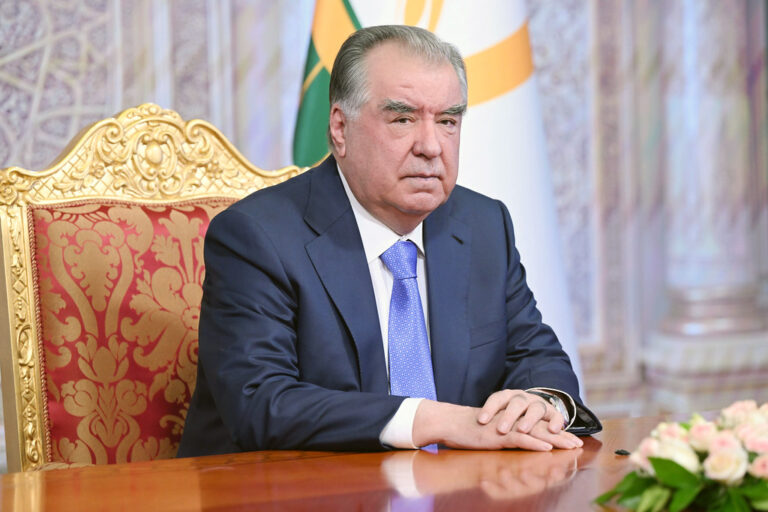
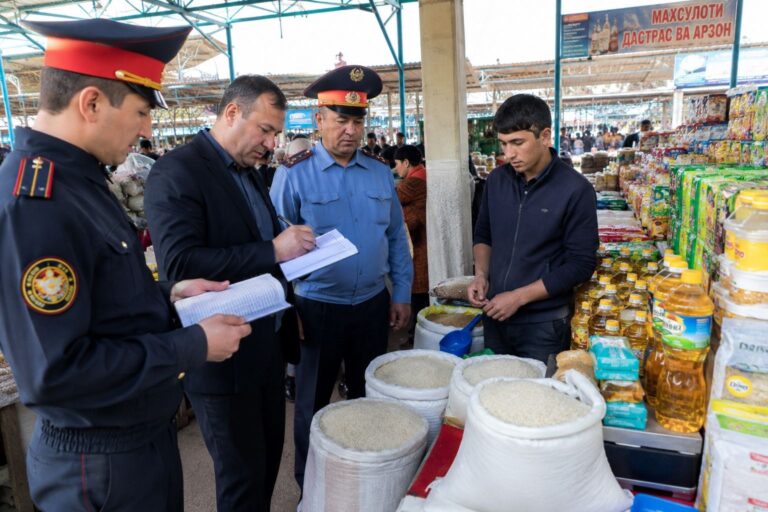
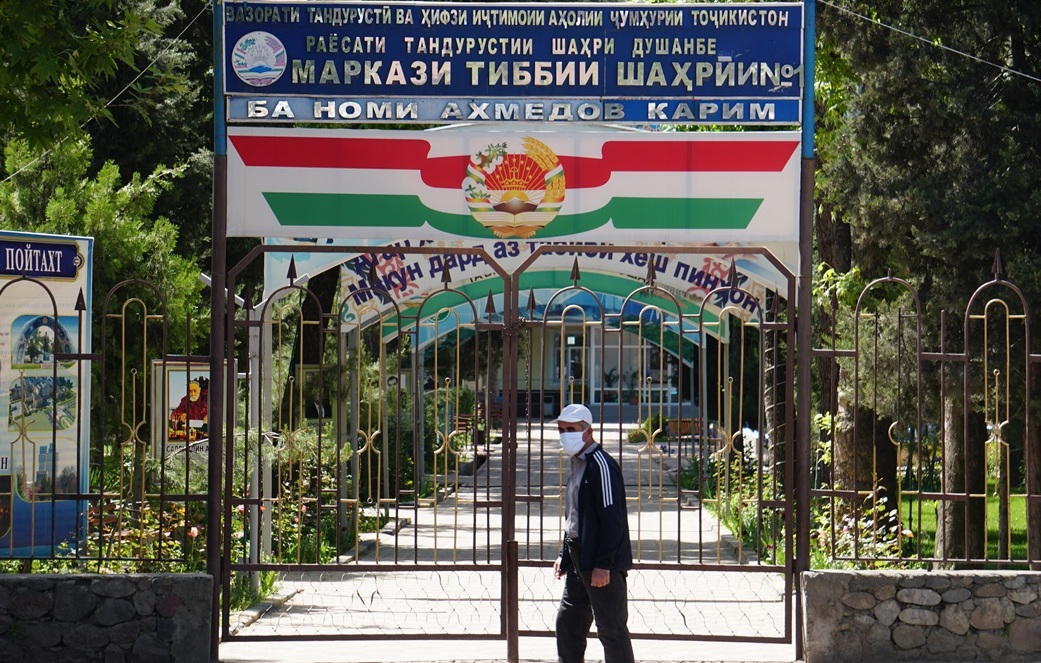
In Belarus, Tajikistan and Turkmenistan, political leaders have reportedly belittled the seriousness of the pandemic and promoted cures with no proven efficacy.
The report says that across the region underfunded healthcare systems struggle to provide adequate care. In Russia, the reform of the public healthcare called “optimization” over the last decade has led to a sharp reduction in the number of medical personnel and health facilities. Shortages of equipment have exposed medical staff to the virus.
To combat the spread of the virus governments must ensure the dissemination of accessible, accurate and evidence-based information about COVID-19 and how people can protect themselves. However, all too often, authorities in Eastern Europe and Central Asia have used newly introduced emergency powers to harass journalists and others who have tried to share information.
In Azerbaijan, the authorities have used the COVID-19 pandemic as an excuse to crack down on the opposition.
In Russia, the chairperson of the independent “Doctors’ Alliance” union, Anastasiya Vasilyeva, was called for questioning for allegedly spreading “fake news.” Her organization called on Russian medical professionals to expose the authorities’ incompetence. As a result, many Alliance members were subjected to harassment and threats, and Vasilyeva herself was detained by police for “quarantine breach” while providing a local hospital with equipment.