The World Bank’s Board of Executive Directors on June 26 approved additional grant financing of US$50 million from the International Development Association (IDA) for the second phase of the Nurek Hydropower Rehabilitation Project in Tajikistan, according to press release issued by the Word Bank.
“The restoration of the generation capacity of the Nurek hydroelectric power plant (HPP) is essential for ensuring energy security for the people of Tajikistan,” said Jan-Peter Olters, World Bank Country Manager in Tajikistan. “Especially in these difficult times, the combination of inherent climate benefits from this renewable source of energy and the ability to support job creation and incomes for the local population, including by their engagement in this large-scale rehabilitation process, makes this a critical investment for a fast and sustainable post-crisis recovery.”
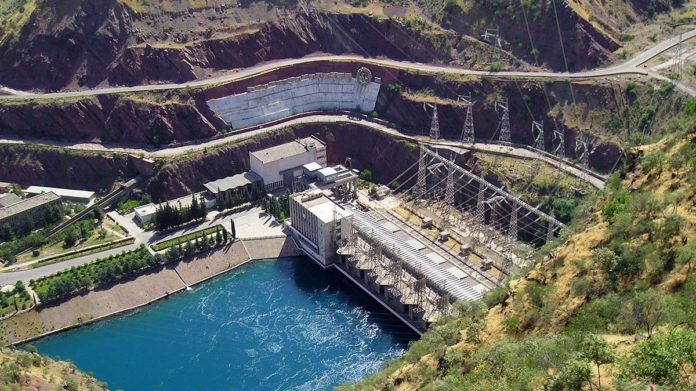
The Nurek HPP, with an installed capacity of over 3,000 megawatts, reportedly generates about 50 percent of total annual energy demanded in Tajikistan. Operational at currently about three-quarter of its installed generation capacity, the HPP is undergoing its first major rehabilitation since its commissioning in 1972. Once completed, the rehabilitation will allow the Nurek HPP to increase electricity generation by about 300 million kWh, supporting the Government’s efforts to ensure that energy demand can be met even during the cold winter months, the World Bank says.
At the same time, during summer, Tajikistan would be in a position to expand electricity exports from its hydro resources, including through the CASA-1000 transmission line and upon synchronization of the country’s electricity network with Central Asian Power System (CAPS). This would generate much-needed additional revenues for the sustainability of the power sector, thereby reducing pressures on the pace of tariff adjustments.
The first phase of the Nurek Hydropower Rehabilitation Project, financed by the World Bank (US$225.7 million), the Asian Infrastructure Investment Bank (US$60 million) and the Eurasian Development Bank (US$40 million), was launched in March 2019. It has focused on rehabilitating three of the nine generating units, replacing and refurbishing hydromechanical equipment and the key infrastructural components of the power plant, replacing six auto-transformers that are used to evacuate the generated electricity, and enhancing dam safety with a special focus on protection against seismic hazards and floods.
Through a separate project, the World Bank is supporting Tajik Government’s efforts in strengthening the institutional capacity and financial viability of the joint stock holding company Barqi Tojik (Tajikistan's state-owned power utility company).
The project’s second phase will finance the rehabilitation of the remaining six generating units, the Nurek bridge, the powerhouse, and other key buildings, while strengthening the HPP’s capacity to operate and maintain the power plant.
Capacity building will be provided to Nurek HPP and Barqi Tojik to enhance dam safety monitoring and the operation and management of hydro facilities. With a total cost of US$192 million for the project’s second phase, the Government of Tajikistan is currently finalizing its discussions with other development partners to secure the required additional resources.
Given Tajikistan’s long history of power outages, particularly during the cold winter months, the climate co-benefits, and the socio-economic development impact of using available hydro resources effectively, Tajikistan’s energy sector has been a priority area of engagement for the World Bank. Its current energy-related investments exceed US$530 million.
These investments aim at supporting the sector’s sustainability, eliminating seasonal energy rationing, ensuring an affordable and stable electricity supply to families and businesses and much needed revenues from increased export of clean, non-fossil energy resources.
The World Bank Group’s active portfolio in Tajikistan includes 21 projects, totaling US$938 million that aim at helping Tajikistan to take advantage of emerging regional opportunities, transform its economy and improve the livelihoods of its citizens. Since 1996, the World Bank has provided US$1.9 billion in grants, highly concessional IDA credits, and trust fund resources.