Tajikistan reportedly strengthens control of its common border with Kyrgyzstan in order to avoid further spread of COVID-19

To prevent further spread of the novel coronavirus (COVID-19), Tajikistan has reportedly strengthened control of the stretch of its common border with Kyrgyzstan between the Bobojon-Ghafourov district (Tajikistan’s Sughd province) and the Leilek district (Kyrgyzstan’s Batken oblast).  Asked about the situation with the second wave of COVID-19 in neighboring Kyrgyzstan and measures taken by the […]

To prevent further spread of the novel coronavirus (COVID-19), Tajikistan has reportedly strengthened control of the stretch of its common border with Kyrgyzstan between the Bobojon-Ghafourov district (Tajikistan’s Sughd province) and the Leilek district (Kyrgyzstan’s Batken oblast). 

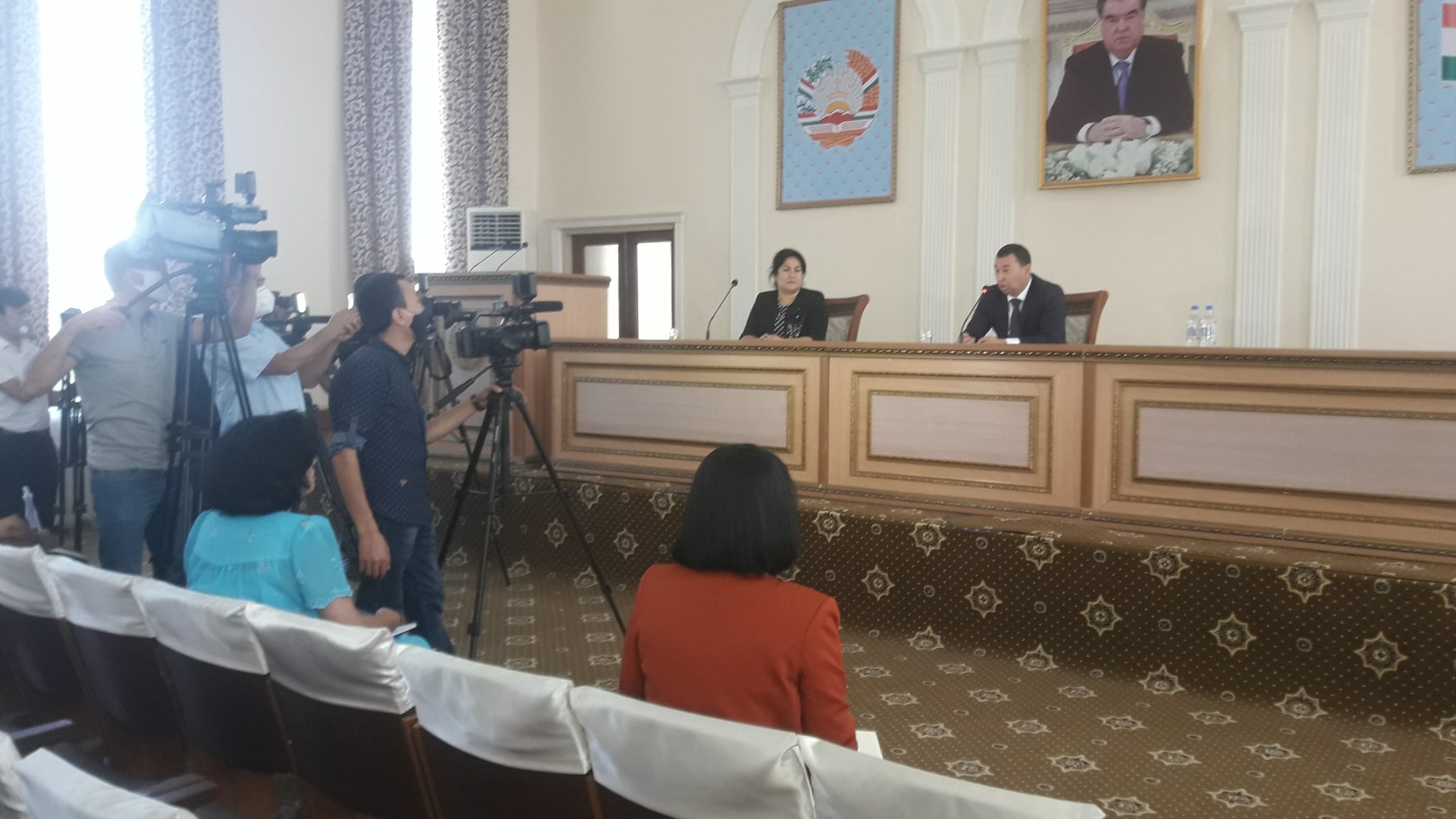
Asked about the situation with the second wave of COVID-19 in neighboring Kyrgyzstan and measures taken by the authorities to prevent the further spread of the disease, the head of the Bobojon-Ghafourov district, Zarif Naziri, told reporters on July 15 that the Tajikistan-Kyrgyzstan border has been closed since mid-April and border control has been strengthened.

“Mostly, our two jamaotas – Histevarz and Ovchi Qalacha – border Kyrgyzstan.  To prevent unauthorized cross-border movements of citizens and vehicles, trenches were dug and 24-hour posts were set up at 17 border crossing points (BCPs).  We have blocked all possible routes of passage in two directions – from the side of Konibodom and from our side,” Naziri said.  

Recall, Khujand authorities have been seriously concerned over the increase in the number of COVID-19 cases in the city. 

Speaking at a meeting of the city commission on COVID-19 response, Deputy Khujand Mayor, Ms. Firouza Nourullozoda, said on July 12 that the number of COVID-19 cases has increased in the city in recent days because people have failed to practice the physical distancing and observe other sanitary norms.

Khujand Mayor, Marouf Muhammadzoda, also expressed concern about the increase in the number of COVID-19 in the city.   

“The disease has progressed in recent days, and in most cases, it has ended in death,” the mayor said. 

According to official data from the press center of the Khujand mayor’s office, the daily number of persons going to a hospital with COVID-19 symptoms has increased over the first days of July in the city from 1-2 to 8-9.   

The mayor emphasized that the principal means to prevent the further spread of COVID-19 was to observe sanitary norms approved by the Ministry of Health and Social Protection of the Population.

Join us on social media!

Article translations:

Related Article

Оби зулол
Оби зулол
Tenisi

Most Read

Коммерсбонк Точикистон

Recent Articles

RZD announces the restoration of passenger services between Moscow and Dushanbe

Direct rail services between the capitals of Russia and Tajikistan were suspended in March 2020 due to the COVID-19 pandemic.

#AP30/Stories. “Selam! Heller nichek?” How Tatars live today in Sughd province

On the 30th anniversary of "Asia-Plus," we continue to publish reports that remain relevant even after years. This story was told in 2021, and since then, little has changed in the life of the Tatar community in Tajikistan.

15,000 cameras, drones, and robots: how technology monitors pilgrims in Mecca and Medina

During Hajj 2026, Mecca and Medina were under unprecedented digital control.

Another child in Dushanbe removed from family and sent to boarding school

The Ministry of Internal Affairs reports that the parents did not pay adequate attention to the child.

Emomali Rahmon instructs to address issues in seed production following criticism of the industry

Issues have been noted with certification, seed quality, and the material and technical base of the industry.

Water, climate, and a $130 billion deficit: seven key outcomes of the Water Conference in Dushanbe

At the forum, countries and international organizations discussed new mechanisms for cooperation, investments, and technologies that are essential for addressing the global water crisis.

Eskhata Bank introduces a new generation children’s wallet

"Eshkata Bank" has created a full-fledged digital platform that helps children aged 7 to 16 learn how to manage money.