IMF calls on international donors to support low-income countries under pandemic conditions

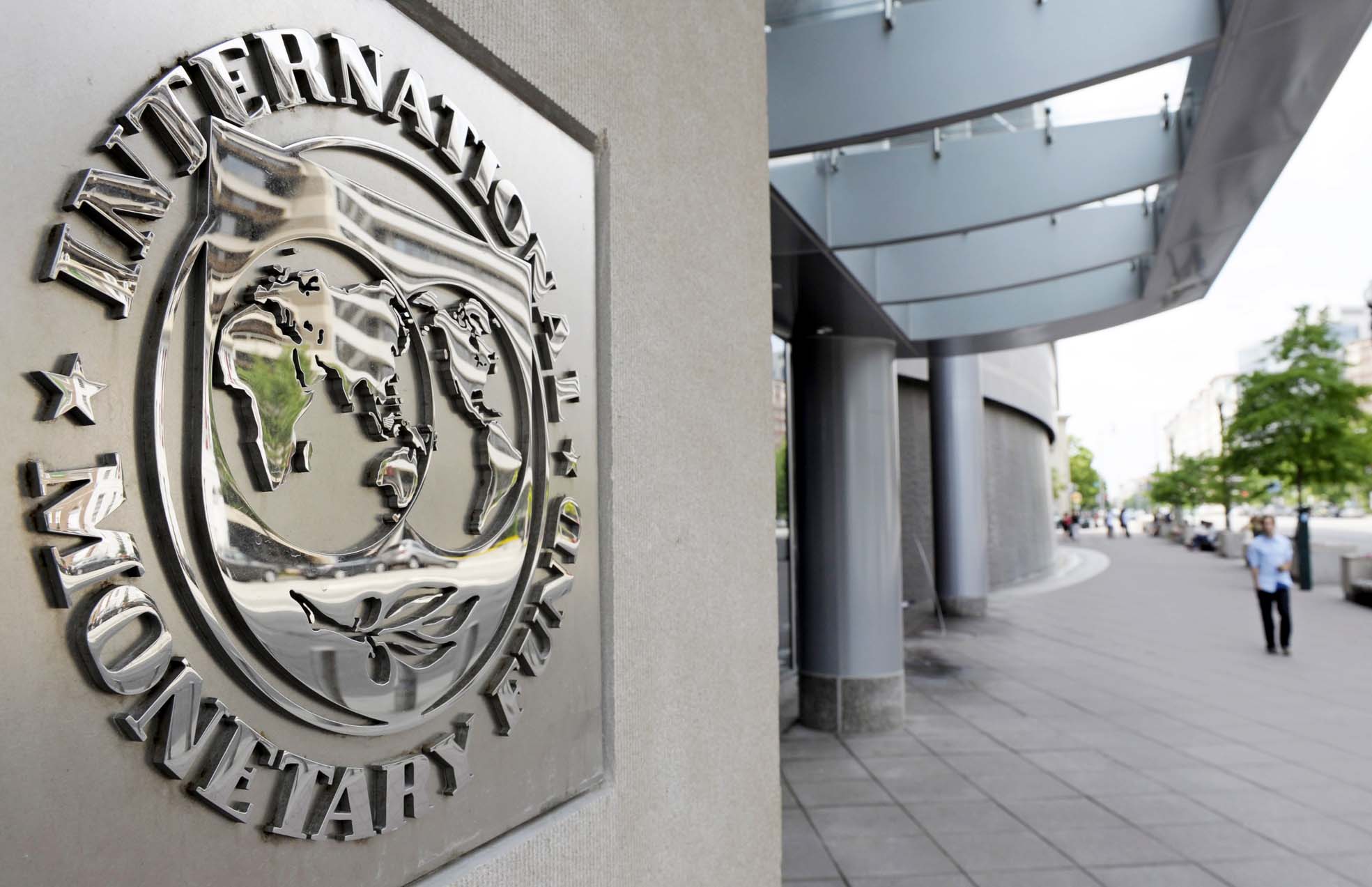
While the COVID-19 crisis is sending shockwaves around the globe, low-income developing countries (LIDCs) are in a particularly difficult position to respond, reads analytical material prepared by the International Monetary Fund (IMF).  LIDCs have both been hit hard by external shocks and are suffering severe domestic contractions from the spread of the virus and the […]

While the COVID-19 crisis is sending shockwaves around the globe, low-income developing countries (LIDCs) are in a particularly difficult position to respond, reads analytical material prepared by the International Monetary Fund (IMF).  LIDCs have both been hit hard by external shocks and are suffering severe domestic contractions from the spread of the virus and the lockdown measures to contain it. At the same time, limited resources and weak institutions constrain the capacity of many LIDC governments to support their economies.

IMF analytics consider that absent a sustained international effort to support low-income developing countries, permanent scars are likely to harm development prospects.

According to the article, growth in LIDCs is likely to come to a standstill this year, compared to growth of 5 percent in 2019.  Further, absent a sustained international effort to support them, permanent scars are likely to harm development prospects, exacerbate inequality, and threaten to wipe out a decade of progress reducing poverty.

The article notes that despite the best efforts of LIDC governments, lasting damage seems unavoidable in the absence of more international support. 

Scarring has reportedly been the legacy of past pandemics: mortality; worse health and education outcomes that depress future earnings; the depletion of savings and assets that force firm closures—especially of small enterprises that lack access to credit—and cause irrecoverable production disruptions; and debt overhangs that depress lending to the private sector. 

Scarring would trigger severe setbacks to LIDCs’ development efforts, including undoing the gains in reducing poverty over the last 7 to 10 years, and exacerbating inequality, including gender inequality.

The support of the international community is key to enable LIDCs to tackle the pandemic and recover strongly.

The COVID-19 pandemic will be defeated only when it and its socioeconomic consequences are overcome everywhere, according to the article.  Urgent action by the international community can save lives and livelihoods in LIDCs.  

Join us on social media!

Article translations:

Related Article

Оби зулол
Оби зулол
Tenisi

Most Read

Коммерсбонк Точикистон

Recent Articles

RZD announces the restoration of passenger services between Moscow and Dushanbe

Direct rail services between the capitals of Russia and Tajikistan were suspended in March 2020 due to the COVID-19 pandemic.

#AP30/Stories. “Selam! Heller nichek?” How Tatars live today in Sughd province

On the 30th anniversary of "Asia-Plus," we continue to publish reports that remain relevant even after years. This story was told in 2021, and since then, little has changed in the life of the Tatar community in Tajikistan.

15,000 cameras, drones, and robots: how technology monitors pilgrims in Mecca and Medina

During Hajj 2026, Mecca and Medina were under unprecedented digital control.

Another child in Dushanbe removed from family and sent to boarding school

The Ministry of Internal Affairs reports that the parents did not pay adequate attention to the child.

Emomali Rahmon instructs to address issues in seed production following criticism of the industry

Issues have been noted with certification, seed quality, and the material and technical base of the industry.

Water, climate, and a $130 billion deficit: seven key outcomes of the Water Conference in Dushanbe

At the forum, countries and international organizations discussed new mechanisms for cooperation, investments, and technologies that are essential for addressing the global water crisis.

Eskhata Bank introduces a new generation children’s wallet

"Eshkata Bank" has created a full-fledged digital platform that helps children aged 7 to 16 learn how to manage money.