Tajikistan and Afghanistan will protect the ecosystem of Pyanj and Amu Darya

Afghanistan and Tajikistan signed a memorandum of understanding on environmental protection. It will serve as a basis for joint work to protect the common mountain ecosystem of the Pyanj and Amu Darya river basins. Negotiations between the two countries have been held under the auspices of the United Nations Economic Commission for Europe with the […]

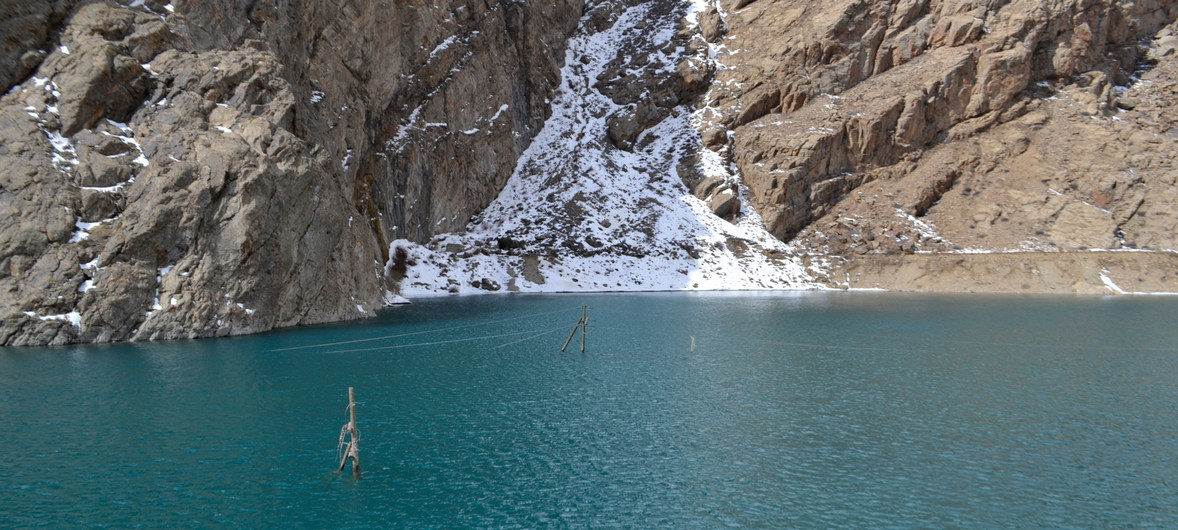
Afghanistan and Tajikistan signed a memorandum of understanding on environmental protection. It will serve as a basis for joint work to protect the common mountain ecosystem of the Pyanj and Amu Darya river basins.

Negotiations between the two countries have been held under the auspices of the United Nations Economic Commission for Europe with the support of the United Nations Environment Program (UNEP) since 2012, reported by the UN News Center.

The agreement, which was signed in Dushanbe on September 17, 2020, is for five years. It addresses five key issues: adaptation to climate change, biodiversity conservation, water quality monitoring, environmental assessment and exchange of knowledge and experience in ecosystem management.

It contains the commitment of the two countries to carry out an environmental assessment of joint projects and to notify each other in the event of potential transboundary environmental impacts.

«The agreement provides Afghanistan and Tajikistan with an opportunity to jointly make decisions aimed at combating climate change and preserving biodiversity. We hope that in the future this cooperation will extend to other countries of the Amu Darya basin», – said the head of the UNEP disaster and conflict program Harry Lewis.

Join us on social media!

Article translations:

Related Article

Оби зулол
Tenisi
Оби зулол

Most Read

Коммерсбонк Точикистон

Recent Articles

RZD announces the restoration of passenger services between Moscow and Dushanbe

Direct rail services between the capitals of Russia and Tajikistan were suspended in March 2020 due to the COVID-19 pandemic.

#AP30/Stories. “Selam! Heller nichek?” How Tatars live today in Sughd province

On the 30th anniversary of "Asia-Plus," we continue to publish reports that remain relevant even after years. This story was told in 2021, and since then, little has changed in the life of the Tatar community in Tajikistan.

15,000 cameras, drones, and robots: how technology monitors pilgrims in Mecca and Medina

During Hajj 2026, Mecca and Medina were under unprecedented digital control.

Another child in Dushanbe removed from family and sent to boarding school

The Ministry of Internal Affairs reports that the parents did not pay adequate attention to the child.

Emomali Rahmon instructs to address issues in seed production following criticism of the industry

Issues have been noted with certification, seed quality, and the material and technical base of the industry.

Water, climate, and a $130 billion deficit: seven key outcomes of the Water Conference in Dushanbe

At the forum, countries and international organizations discussed new mechanisms for cooperation, investments, and technologies that are essential for addressing the global water crisis.

Eskhata Bank introduces a new generation children’s wallet

"Eshkata Bank" has created a full-fledged digital platform that helps children aged 7 to 16 learn how to manage money.