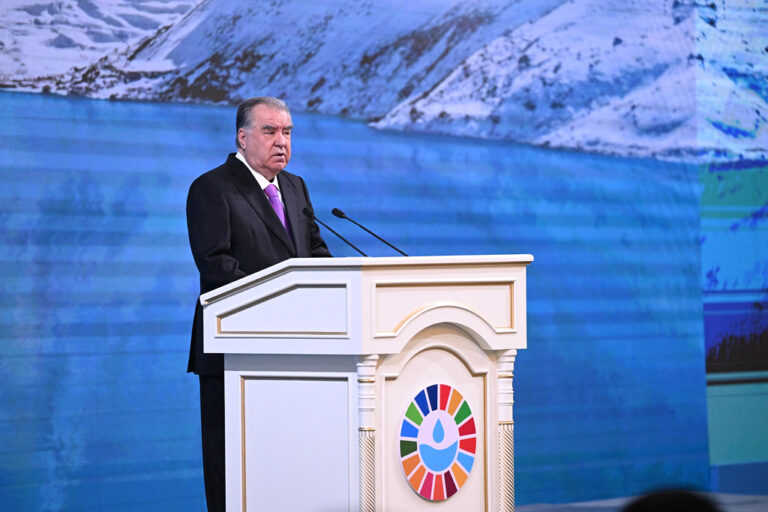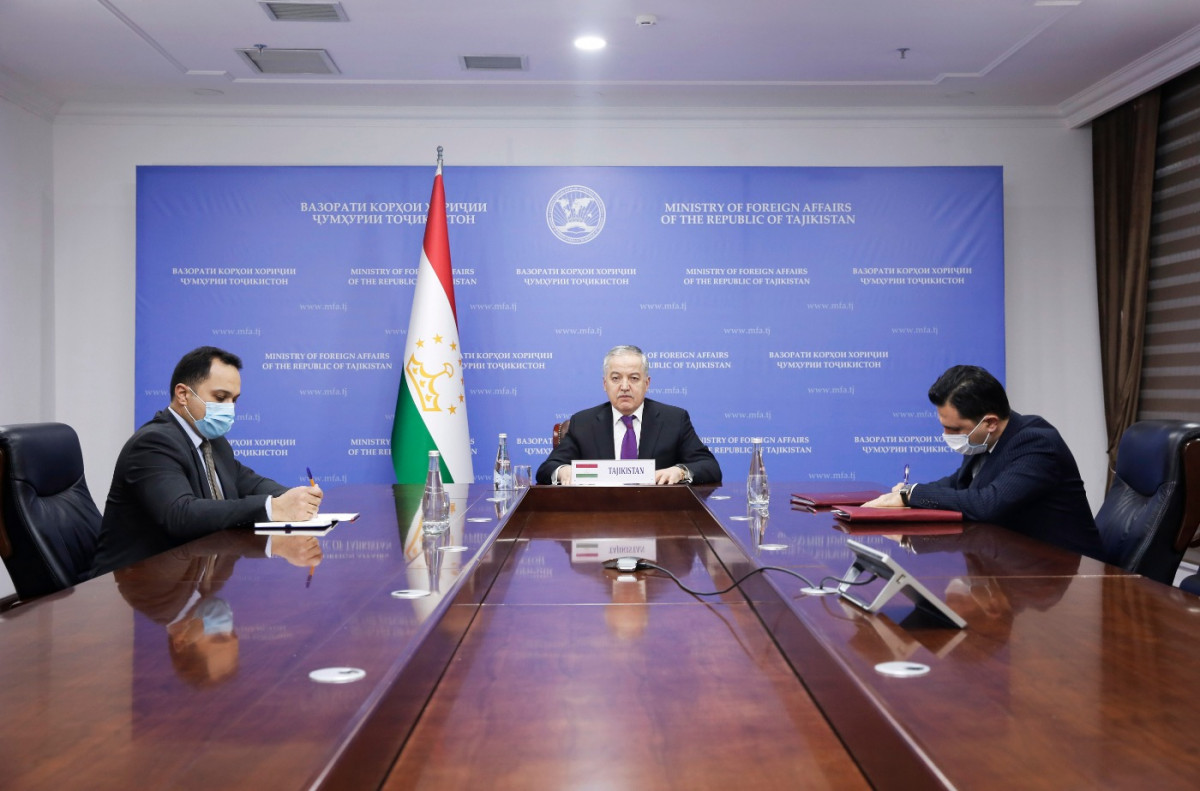
Tajik Foreign Minister Sirojiddin Muhriddin is attending the 27th meeting of the OSCE Ministerial Council, the Minister of Foreign Affairs of the Republic of Tajikistan Sirojiddin Muhriddin attended and delivered a statement at the 27th meeting of the OSCE Ministerial Council, which is being held via video teleconferencing (VTC) due to the restrictions imposed by the COVID-19 pandemic.
In his statement delivered on December 3, Tajik minister outlined Tajikistan’s priorities across OSCE three dimensions of comprehensive security approach – the politico-military, the economic-environmental and the human, and expressed his vision on the challenges of the modern world, such as climate change and the fight against terrorism and extremism. In this regard, he also noted the country's global initiatives in the international arena, according to the Tajik MDA information department.
While welcoming efforts to strengthen the OSCE structure, Muhirddin reportedly expressed Tajikistan's readiness to establish constructive cooperation with the OSCE and its institutions in order to ensure peace and development in the OSCE area.
The 27th meeting of the OSCE Ministerial Council is concluding today.
The Ministerial Council is the central decision-making and governing body of the OSCE that provides an annual opportunity for the Foreign Ministers of the 57 OSCE participating States to review and assess the Organization's activities and strengthen dialogue on security issues.
The Ministerial Council is the central decision-making and governing body of the OSCE. The meeting, held annually, provides the Foreign Ministers of the 57 OSCE participating States an opportunity to review and assess the Organization’s activities and strengthen the dialogue on security issues in the OSCE area.
The first meeting of Ministers of Foreign Affairs of the Conference on Security and Co-operation in Europe (CSCE) took place in Helsinki on July 3-7, 1973. Two years later, in August 1975, the so-called Helsinki Process culminated in the first CSCE Summit of Heads of State and Government, which adopted the Helsinki Final Act.
The Ministerial Council itself was established by the Charter of Paris for a New Europe (1990).