The Standing Committee on COVID-19 Response of Tajikistan calls on citizens not to loosen up and strictly observe safety measures and standards of sanitation and personal hygiene despite the fact that no new cases of the novel coronavirus (COVID-19) have been detected in the country in recent days.
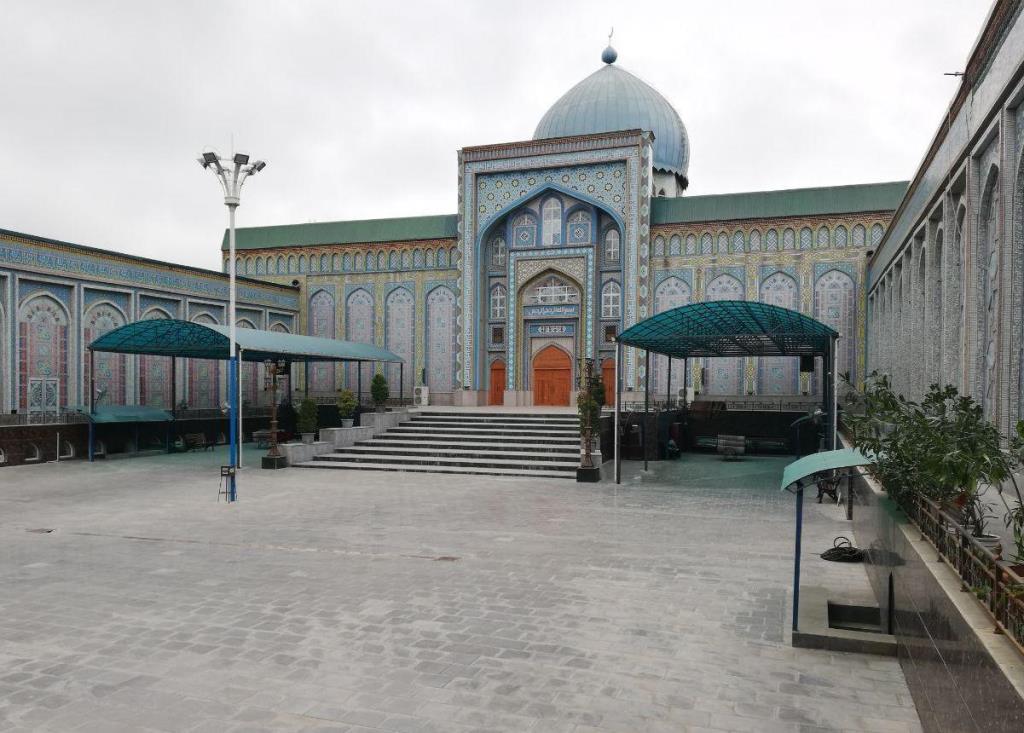
Recall, congregational prayers are expected to be held in mosques in Tajikistan after a ten-month break.
The Standing Committee on COVID-19 Response of Tajikistan, which is led by Prime Minister, yesterday made a decision to reopen mosques for collective prayers on February 1.
The Ministry of Health and the Committee on Religious Affairs are reportedly ordered to determine the degree of danger of infection with coronavirus in mosques.
Control over the observance of anti-covid measures by mosques is entrusted to the Committee on Religious Affairs (CRA) and the Islamic Center.
At the same time, the Standing Committee on COVID-19 Response warns that if mosques do not observe anti-covid measures, they will be closed down again.
Mosques in Tajikistan are still close for collective prayers. In Tajikistan, mosques were closed for collective prayers on March 4 but excluding burial rites, following the decision that was made by the Council of Ulema on March 3 in connection with the danger of a coronavirus epidemic.
The proper appeal was published on the website of the Islamic Center of Tajikistan. “In order to prevent infection and the spread of the virus among the inhabitants of the country, it was decided to temporarily refuse to perform collective prayers, except for performing janaza”, the statement said.
However, the mosques reopened for collective prayers on March 20.
On April 17, the Council of Ulema (Tajikistan’s highest Islamic institution) told mosques to suspend public gatherings, including Friday prayers, beginning on April 18 to protect against the novel coronavirus. A decision adopted by the Council of Ulema on April 17 also imposed suspension on performing Taraweeh (additional ritual prayers performed by Muslims at night after the Isha prayer during the holy month of Ramadan) and public gathering such as iftar and others.
Meanwhile, the Ministry of Health and Social Protection of the Population (MoHSPP) claims that no new COVID-19 cases were reported in Tajikistan yesterday. As of the morning of January 21, 2021, the official number of people infected with the coronavirus reportedly remains unchanged in Tajikistan – 13,308. The official number of coronavirus-linked deaths also remains the same in the country as of the morning of January 21 – 90, a MoHSPP says. The number of the cured COVID-19 patients reportedly remains the same as well — 13,218.