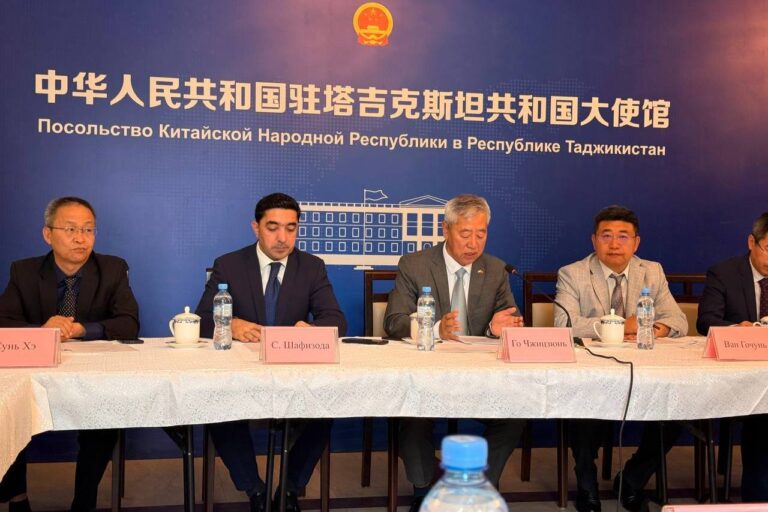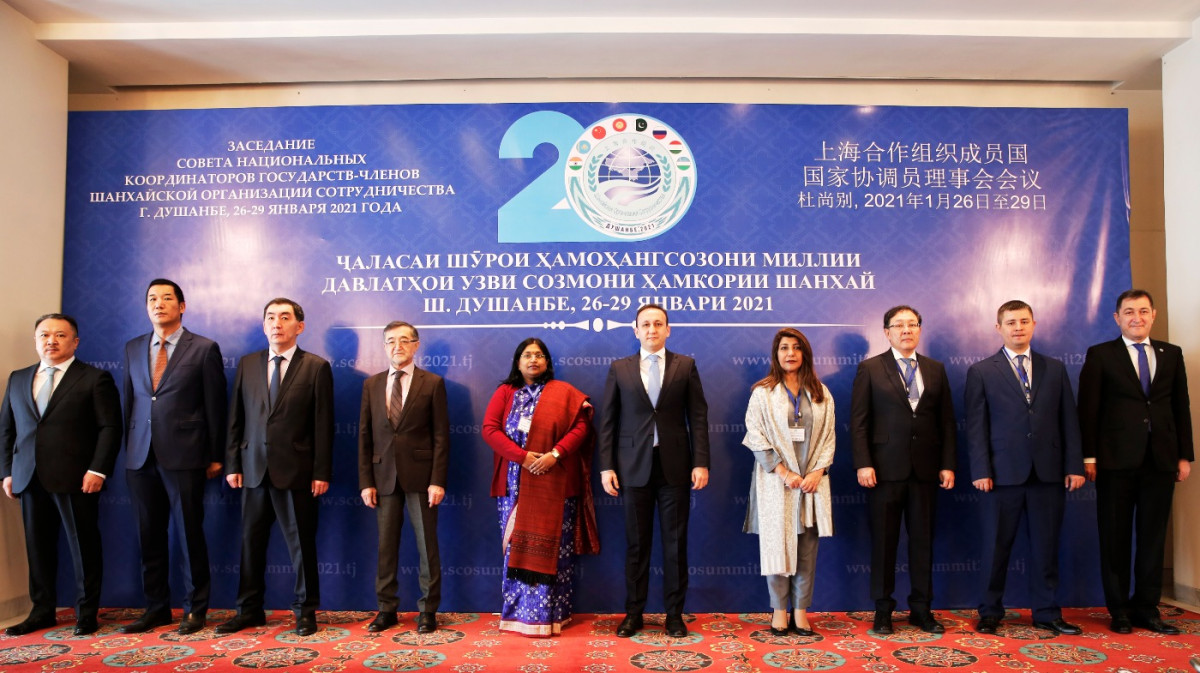
Chaired by Tajikistan, a meeting of the Shanghai Cooperation Organization (SCO)’s Council of National Coordinators took place in Dushanbe from 26-29 January, 2021.
According to the Tajik MFA information department, the participating delegations had a comprehensive discussion on the preparations for a meeting of the SCO Council of Heads of State that is scheduled to take place from September 16-17 this year, exchanged views on the draft Agenda and the list of documents to be presented for signature at the SCO Council of Heads of State.
The parties reviewed the SCO Main Events Plan for 2021 and approved the SCO Foreign Ministries Cooperation Program for this year.
The meeting participants also exchanged views on the new rotation cycle of the SCO heads of permanent bodies starting from January 1, 2022 and other issues of the organization’s agenda.
The Council of National Coordinators coordinates the SCO recurrent activities and ensures interaction between the relevant ministries and agencies of the Organization member states within the framework of the SCO''s Charter.
Tajikistan took over the rotating chairmanship following the SCO Heads of State Council Meeting on November 10, 2020. Tajikistan's chairmanship coincides with the twentieth anniversary of the Organization, held under the motto “20 years of the SCO: Cooperation for stability and prosperity.”
The Shanghai Cooperation Organization was founded at a Summit in Shanghai in 2001 by the presidents of Russia, China, Kyrgyzstan, Kazakhstan, Tajikistan and Uzbekistan.
The Shanghai Cooperation Organization currently has eight full members — China, India, Kazakhstan, Kyrgyzstan, Pakistan, Russia, Tajikistan, and Uzbekistan.
Afghanistan, Belarus, Iran and Mongolia are four observer states, and SCO’s dialogue partners include Armenia, Azerbaijan, Cambodia, Nepal, Sri Lanka and Turkey. ACEAN, CIS, Turkmenistan and the United Nations are guest attendances.
The SCO is the largest regional organization in the world in terms of geographical coverage and population, covering three-fifths of the Eurasian continent and nearly half of the world’s population. The SCO now represents around 42% of the world’s population, 22% of its land area and around 20% of GDP.