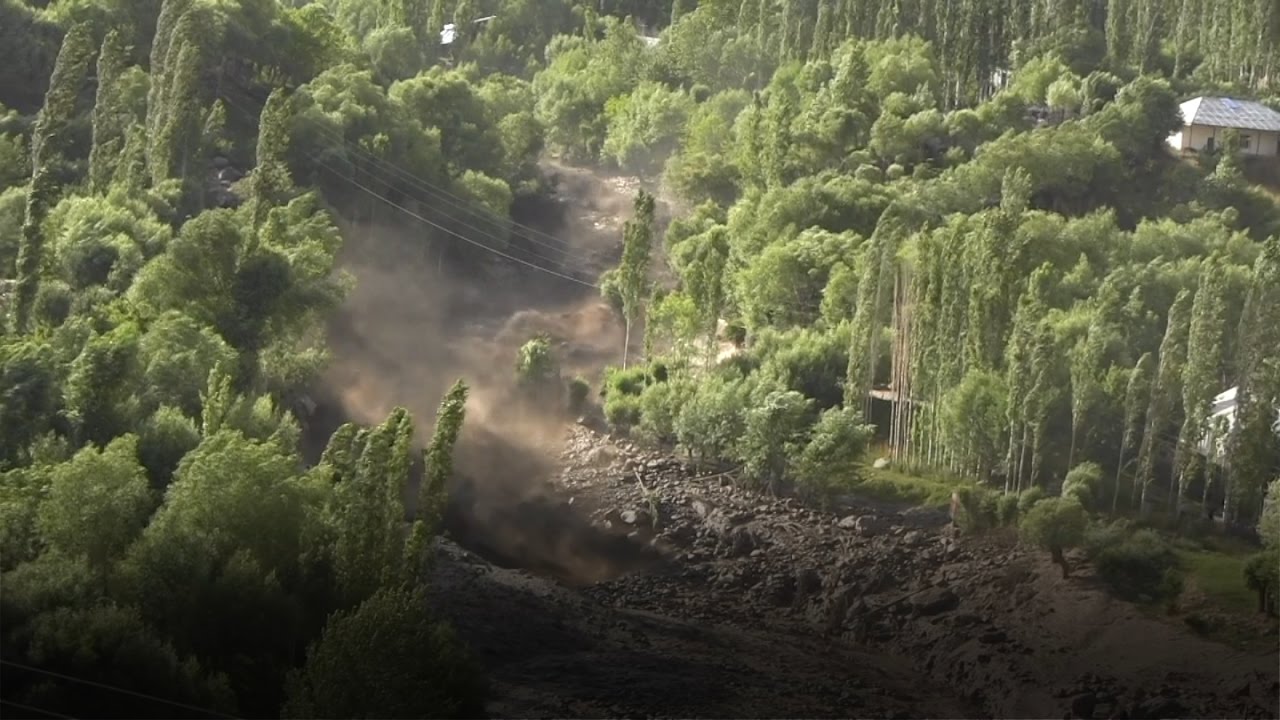
In continuing efforts to reduce the adverse impacts of natural disasters in Central Asia, the World Bank, together with partners, is launching a unique initiative – a multi-peril risk assessment of natural disasters, including earthquakes, floods and selected landslides.
According to the World Bank, the initiative is being undertaken in close collaboration with the Almaty-based Center of Emergency Situations and Disaster Risk Reduction (CESDRR) and under the EU-Funded Strengthening Financial Resilience and Accelerating Risk Reduction (SFRARR) program, which is managed by the Global Facility for Disaster Reduction and Recovery (GFDRR) and implemented by the World Bank.
The overall objective of the initiative is in strengthening Central Asian countries’ resilience to natural disasters and climate risks by enhancing financial resilience, risk identification capacity, and improved disaster risk management.
In order to improve the assessment’s methodology and scope, the World Bank and the CESDRR during November and December held discussions with members of the Regional Scientific-Technical Council (RSTC), which included government officials and scientific experts in Central Asia, and National Coordinators for Sendai Framework Program from all five Central Asian countries. The comments from the consultative process were reflected in an inception report, which will guide the implementation of the assessment over the next 21 months.
The multi-peril risk assessment is unique in that it is adopting a regional approach and aims to be consistent across multiple hazards and asset types – the first such attempt in the Central Asia region. Such a regional approach can significantly benefit countries in Central Asia by providing common analytics and metrics and allowing for building coherent and consistent strategic financial solutions across geographical areas and economic sectors.
The assessment will build on existing risk assessment and risk management concepts to provide a better understanding of how natural disaster risk affects the population, buildings and, in general, the economies of all five Central Asian countries. At the end of the process, local governments will also have access to a reliable tool that can be used to inform their disaster risk management strategies. The process will further enhance the understanding of natural disaster risks among the technical and scientific communities of the Central Asian countries.