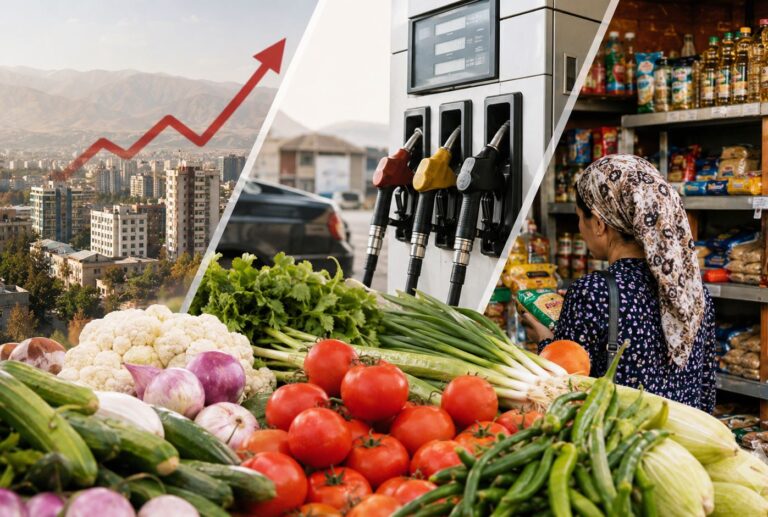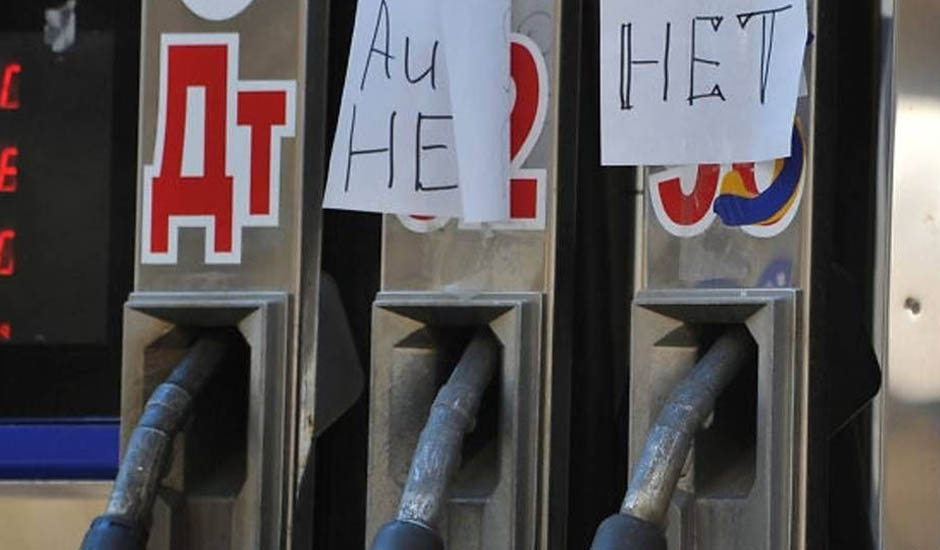
In addition to a sudden spike in gasoline prices, residents of regions in Tajikistan are currently experiencing an acute shortage of this petroleum product.
Residents of the Gorno Badakhshan Autonomous Region (GBAO) and the Sughd province have complained about the lack of the most popular gasoline – a 92-octane gasoline.
In Khorog, the capital of the GBAO, the price of one liter of 92-octane gasoline has reportedly risen to 9.30 somonis.
“But even at such a high price, the 92-octne gasoline is not available at gas stations. It can only be bought through acquaintances. If this trend continues, we will have to switch to bicycles,” Khorog resident Oqil Alinazarov told Asia-Plus in an interview.
Our sources in the northern Sughd province say residents of the province also have to experience an acute shortage of the 92-octane gasoline, which is the most popular gasoline in the country.
“Even in areas bordering Kyrgyzstan, out of which petroleum products have been smuggled into the Tajik northern Sughd province, the 92-octane gasoline was not available at gas stations on March 14,” a source told Asia-Plus.
In Kyrgyzstan, which is the member nation of the Eurasian Economic Union (EAEU), Russian gasoline is usually sold almost 40% cheaper than in Tajikistan, which is an attractive difference for smugglers.
According to official statistics, Tajikistan’s annual requirements in petroleum products are 830,000 tons.
Under a government-to-government agreement on duty-free Russian petroleum product deliveries to Tajikistan, signed in Moscow on February 6, 2013, Russia is able to deliver up to 1 million tons of petroleum products to Tajikistan per year.
Besides the parties every year consider and endorse the indicative fuel balance for the next calendar before October 1 of each year. Russian oil products delivered to Tajikistan in the volumes not exceeding those agreed on indicative balance are not subject to re-export to the third countries.
However, Tajikistan annually imports not more than 560,000 tons of petroleum products from the Russian Federation.
Recall, fuel prices significantly rose in Tajikistan in early March, and most likely, this trend will continue in the near future as well.
The growth in fuel prices at gas stations in the country has been observed since the beginning of the year, but in early March, the price increase has become more noticeable.
The price for one liter of 92-octane gasoline in Dushanbe has risen from 6.50 somonis on January 1 to 8.10 somonis (24.6-percent increase), with similar price rises in other regions of the country.
Over the reporting period, the price for one liter of 95-octane gasoline has risen in the Tajik capital 21.7 percent (from 6.90 somonis to 8.40 somonis), and the price for one liter of liquefied natural gas (LNG) in Dushanbe has risen from 4.25 somonis on January 1 to 4.50 somonis (7.0-percent increase).
Compared to Dushanbe, fuel prices in Khalton and Sughd provinces are 2.0-3.0 percent more expensive subject to additional costs. In the Gorno Badakhshan Autonomous Region (GBAO), fuel prices are 8.0-10 percent more expensive compared to Dushanbe.
According to analysts' forecast, the price of one liter of 92-octane gasoline will rise in Dushanbe to 9.0 somonis by the end of March.
Officials at fuel supply companies say the price hike has resulted from the rising cost of petroleum products in Russia, which provides the bulk of Tajikistan’s fuel and imports and the rising international prices of oil.
Besides, the gasoline price hike has reportedly resulted from the decrease in the volume of oil refining in Russia against the backcloth of the coronavirus pandemic.
Experts note that it cannot be ruled out that the rise in prices for petroleum products will continue this month on the eve of the start of spring field work.
The rising gas prices will lead to increase in the prices for basic food products in the country.
Last year, Tajikistan imported 234,000 tons of gasoline, which was nearly 37 percent more than in 2019. 35 companies were engaged in delivering petroleum products to Tajikistan last year.
According to official statistics, Tajikistan imported about US$20 million worth of about 44,000 tons of petroleum products in January this year, which is 25 percent fewer compared to same period last year.