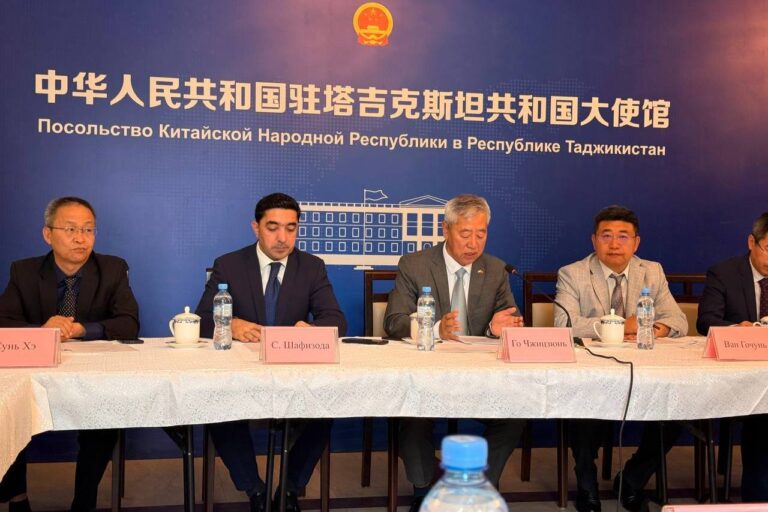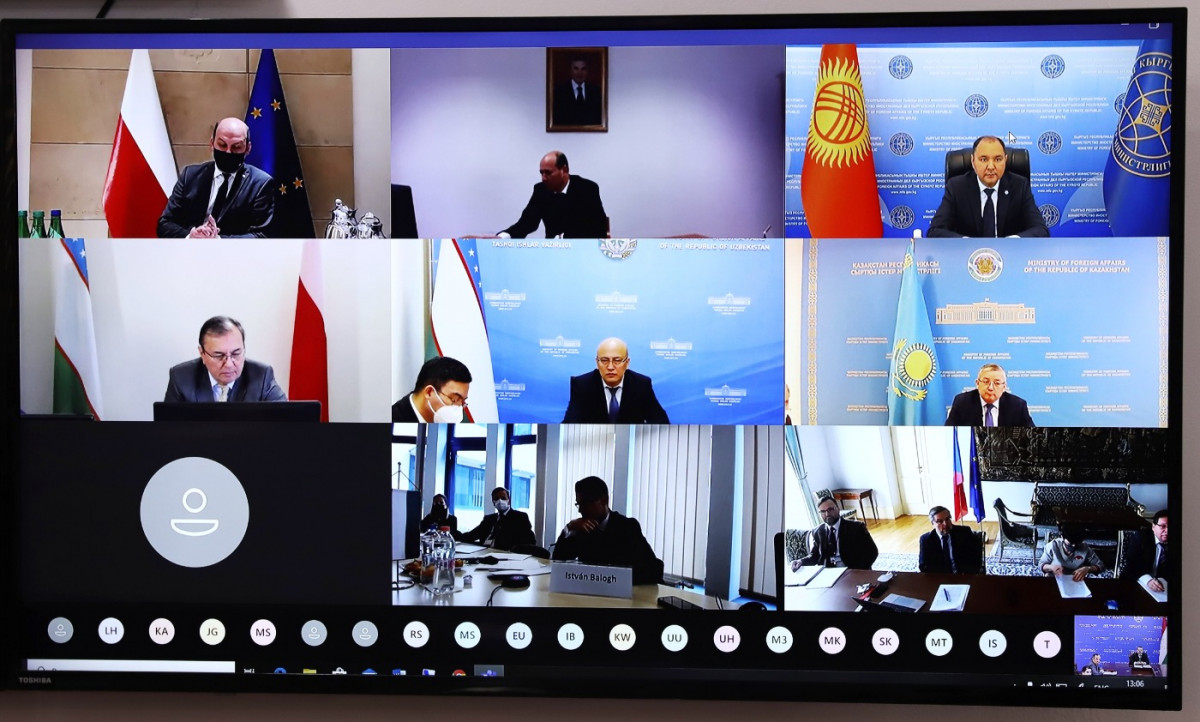
Political consultations between Central Asia’s nations and the Visegrad Group (also known as the "Visegrad Four" or simply "V4" – Hungary, Slovakia, Poland and Chez Republic) at the level of deputy foreign ministers were held though video-conferencing on April 15.
The Tajik MFA information department says Tajikistan was represented by Deputy Foreign Minister, Muzaffar Huseinzoda.
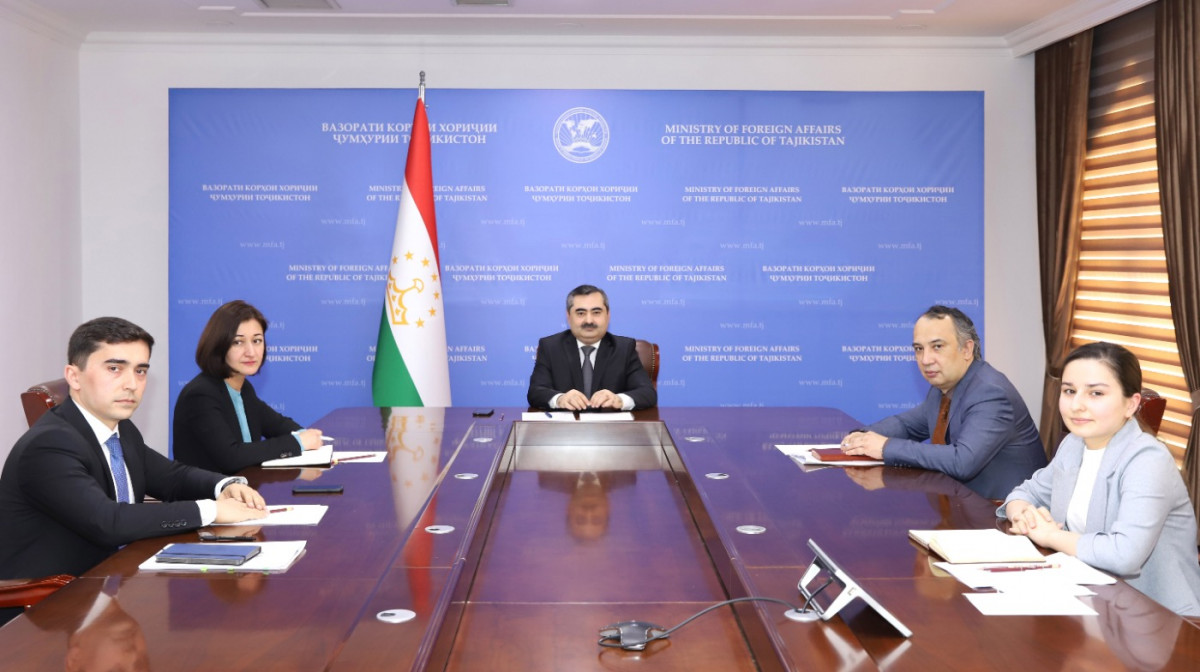
The parties reportedly exchanged views on issues related to strengthening interregional ties, expanding cooperation in the fields of trade, energy, tourism, education and environmental protection.
The implementation of the new EU Strategy for Central Asia, economic recovery in the aftermath of COVID-19 pandemic and the regional security issues were on the core focus of the parties, according to the Tajik MFA information department.
The Visegrad Group is a cultural and political alliance of four countries of Central Europe (Czech Republic, Hungary, Poland and Slovakia), all of which are members of the EU and of NATO, to advance cooperation in military, cultural, economic and energy matters with one another and to further their integration to the EU.
The Group traces its origins to the summit meetings of leaders from Czechoslovakia, Hungary and Poland held in the Hungarian castle town of Visegrad on February 15, 1991. Visegrad was chosen as the location for the 1991 meeting as an intentional allusion to the medieval Congress of Visegrad in 1335 between John I of Bohemia, Charles I of Hungary and Casimir III of Poland.
After the dissolution of Czechoslovakia in 1993, the Czech Republic and Slovakia became independent members of the group, thus increasing the number of members from three to four. All four members of the Visegrad Group joined the European Union on May 1, 2004.