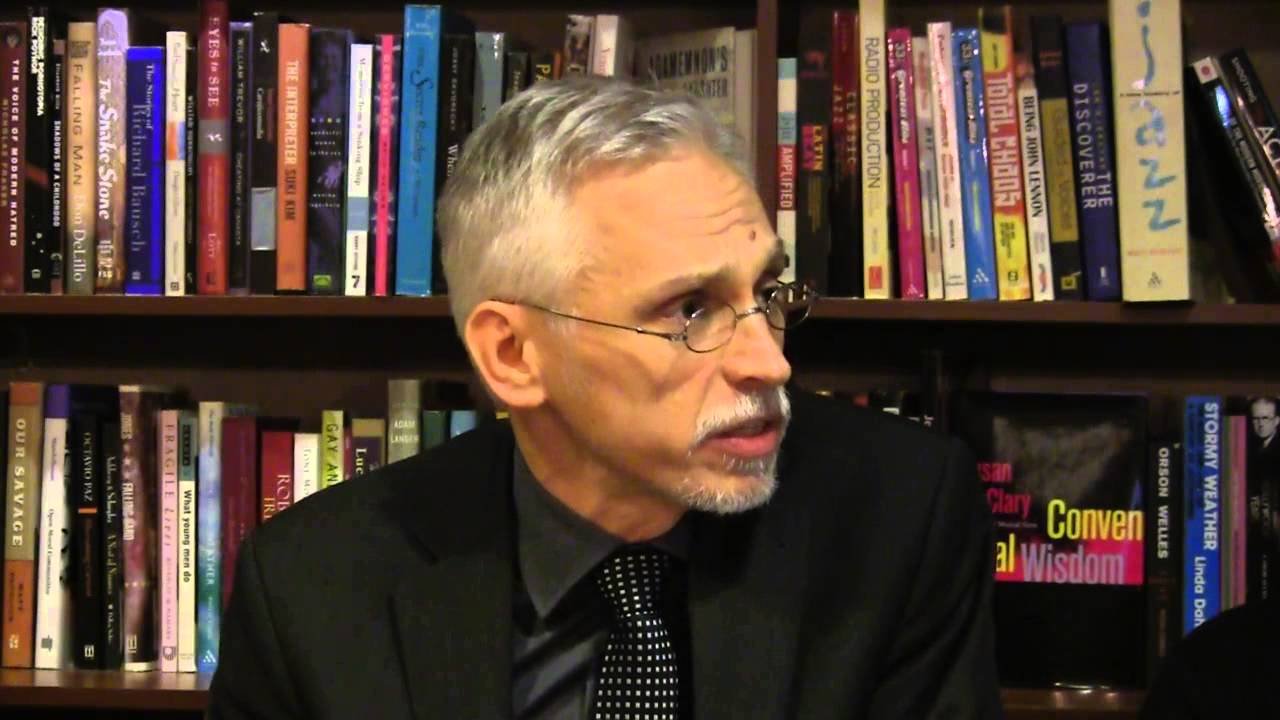
In a statement delivered at the online conference on Digital Economy in Tajikistan, Jan-Peter Olters, Country Manager, World Bank Office in Republic of Tajikistan, noted that digitalization can address the legacy of climate change, and landlocked geographical position of the country.
According to him, partnership with the private sector will definitely increase the deployment of digital instruments.
“As 70% of the population in Tajikistan live in rural areas, digital transformation becomes critical in economic development of the country,” said Mr. Jan-Peter Olters. “High-speed Internet deployment, enabling regulatory environment, and more private investment are the key elements in the process of digitalization.”
The World Bank representative also considers that the current situation is holding back the development of the telecommunications market in the country.
He proposes to separate the regulator of this sector from its subordinate operator for the development of the telecommunications sector.
Recall, the sector is regulated by the Communications Service under the Government of Tajikistan. At the same time, the communications service agency manages the national operator Tajiktelecom. This operator received a monopoly on the supply of Internet traffic to the country and sell it to private operators.
Mr. Jan-Peter Olters noted that the current situation in the telecommunications market is holding back new private investment in the telecommunications sector and restricts the development of the Internet market in the country.
According to him, if the Communications Service is prohibited from doing business in the telecommunications market, this will contribute to attraction of investment, emergence of new private operators, introduction of modern infrastructure, decrease in cost of Internet and thus improvement of access to Internet.
Mr. Jan-Peter Olters noted the dynamic development of the telecommunications sector in the country in 2000-2015, stressing that the sector at that time grew at an average annual rate of 15%.
The conference was hosted by the University of Central Asia in collaboration with the World Bank, European Union, and the StrategEast, in cooperation with the Ministry of Industry and New Technologies of Tajikistan.
The conference highlighted opportunities available in the digital economy, which is growing fast, especially in developing countries. The core of the digital economy is the ‘digital sector’ (Information Technology Sector) producing foundational digital goods and services.
At this conference, international experts discussed the importance of digital economy in the development of the country, and presented their research findings related to Tajikistan.
Shaukat Ali Khan, Chief Information Officer at the University of Central Asia moderated the discussion.