Tajikistan is taking important steps to strengthen the foundation of its economy, foster a post-pandemic green recovery, and provide better job opportunities for its young and largely rural population, Ms. Anna Bjerde, World Bank Vice President for Europe and Central Asia, noted during her first official visit to Tajikistan, on the final leg of her Central Asia tour, according to press release issued by the World Bank.
Ms. Bjerde discussed the country’s key development priorities, including support for an effective COVID-19 response, in meetings with the President of the Republic of Tajikistan, H.E. Emomali Rahmon, First Deputy Prime Minister Davlatali Said, Deputy Prime Minister Usmonali Usmonzoda, key members of the Government of the Republic of Tajikistan, and representatives of the National Bank of Tajikistan.
Ms. Bjerde reconfirmed the World Bank’s support to Tajikistan in continuing on its structural reform agenda, which is focused on private sector development, increased export orientation, cleaner, renewable energy, and job creation, while noting that accelerating this agenda was especially critical for Tajikistan’s green, resilient, and inclusive post-pandemic recovery.
“Tajikistan is accelerating reforms in key sectors, including tax, clean energy, digital economy, and debt sustainability. These strategic actions will help ensure that dynamic, profitable, and export-oriented companies will be able to deepen development impact, broaden the tax base, provide new, high-quality jobs, and bolster macro-fiscal stability,” said Ms. Bjerde. “The World Bank will continue to support Tajikistan in achieving these goals and the country’s objective of improving lives and livelihoods.”
During her meetings, Ms. Bjerde discussed Tajikistan’s response to the COVID-19 pandemic, supported by a $32.5 million World Bank grant, which aims to strengthen healthcare capacity, provide emergency cash assistance to the most vulnerable households, and prepare the vaccination rollout for priority groups of the population. Tajikistan was among the first countries to receive COVID-19 vaccine financing from the World Bank.
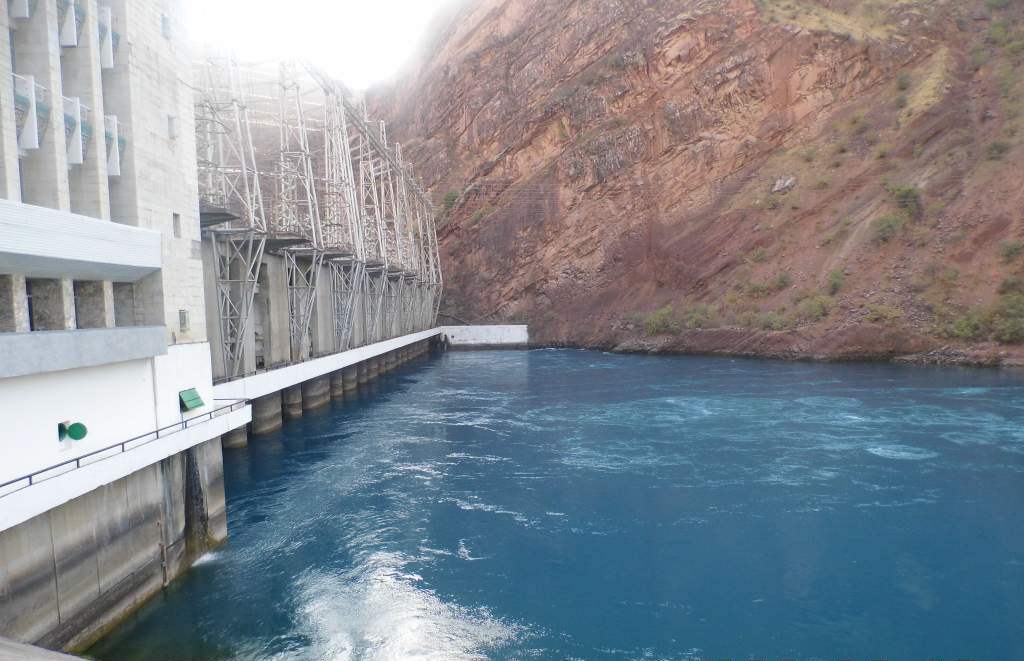
Ms. Bjerde acknowledged Tajikistan’s considerable potential in generating and exporting clean, renewable energy and reaffirmed the World Bank’s interest in supporting Tajikistan’s contribution to the global climate change agenda. The World Bank’s current investments in the country’s energy sector, at close to $0.5 billion, help with efforts in strengthening the sector’s sustainability, eliminating seasonal energy rationing, ensuring reliable and affordable electricity supply, and fostering the sector’s export orientation.
This was Ms. Bjerde’s first official visit to Central Asia. A Swedish national, she became the World Bank Vice President for Europe and Central Asia on May 1, 2020. In this position, Ms. Bjerde leads the World Bank’s strategic, analytical, operational and knowledge work in the region.
Currently, the World Bank is financing 21 projects in Tajikistan totaling at $1.1 billion. Since 1996, the World Bank has provided over $2 billion in IDA grants, highly concessional credits, and trust funds for Tajikistan. The World Bank Group is committed to continuing its support for Tajikistan as it strives to improve the lives and meet the aspirations of its young and growing population.