By president’s decree a working has been set up in Tajikistan to draft a law on amnesty on the occasion of the 30th anniversary of Tajikistan’s Independence, a source within the Tajik government told Asia-Plus in an interview.
According to him, the working group comprising known lawyers of the country and representatives of the law enforcement authorities is to submit the draft aw for consideration to the head of state before the end of August.
“The so-called “golden amnesty” will extend to more than 25,000 people,” the source added.
The law on amnesty is expected to be signed by the end of August and the number of convicts eligible for amnesty will be announced.
Usually, amnesty is declared in Tajikistan on occasion of jubilee anniversaries of major public holidays.
Thus, the previous amnesty was declared in Tajikistan in October 2019 to mark the 25th anniversary of the adoption of Tajikistan’s Constitution.
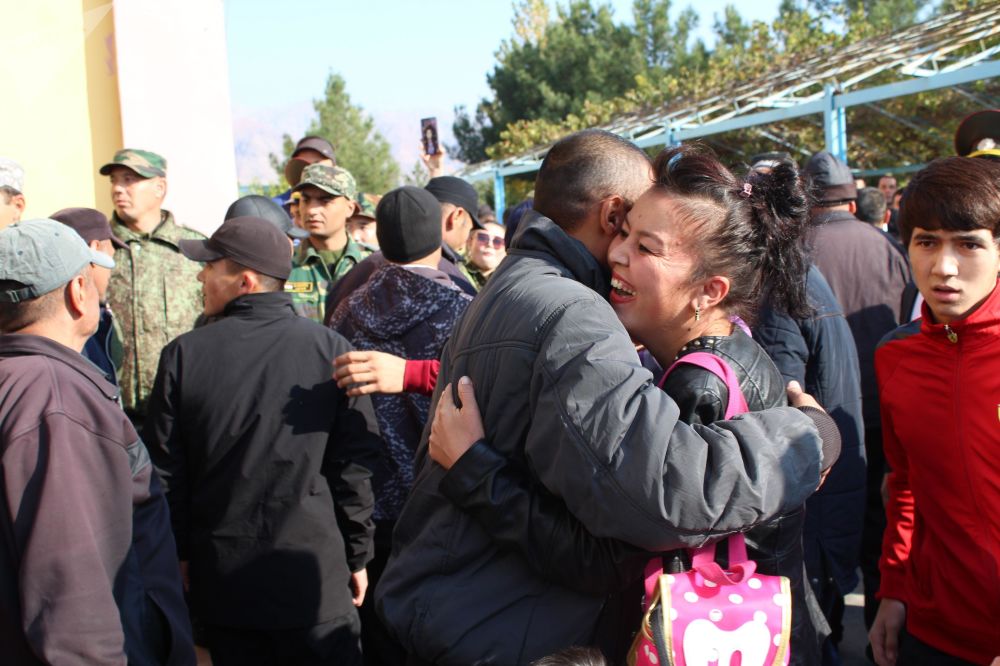
The 2019 amnesty extended to more than 20,000 people. 3,100 convicts were released from prisons and 3,000 inmates of corrective labor colonies were released. Besides, 4,500 individuals whose sentences were not associated with imprisonment were pardoned as well. The amnesty also applied to 600 defendants and suspects awaiting legal proceedings in pretrial detention facilities and probe against them were stopped.
The released prisoners included 165 of 300 women serving their jail terms in a female penal, and 58 of 75 minors serving their terms in juvenile correctional facilities.
Prisoners eligible for release under the 2019 amnesty also included foreign nationals, people with disabilities, World War II veterans, military deserters, convicts over 55, and those suffering from cancer or other serious illnesses. The amnesty also extended to persons serving jail terms for economic crimes if they paid damages.
The amnesty also extended to persons serving their jail terms for serious crimes who have served three-quarters of their terms — except for those found guilty of murder, terrorism, human trafficking, rape, torture and so forth.
In addition, prison terms of almost 10,000 inmates were shortened.
The amnesty that was declared in Tajikistan in 2014 on the occasion of the 20th anniversary of Tajikistan’s Constitution extended to 10,000 people, and the amnesty that was declared in Tajikistan in 2011 on the occasion of the 20th anniversary of the country’s Independence extended to 15,000 people.
In all, there have been 16 mass amnesties in Tajikistan since it gained its independence following the collapse of the Soviet Union in 1991. It is to be noted that the amnesties have not affected individuals convicted on politically motivated charges.