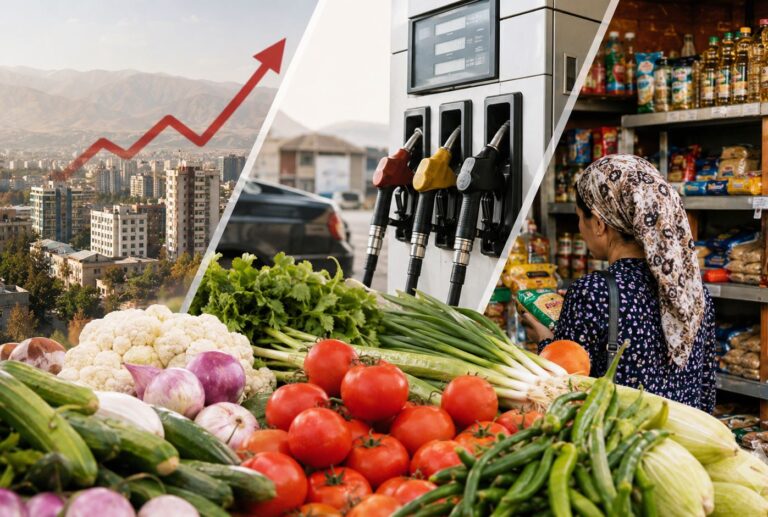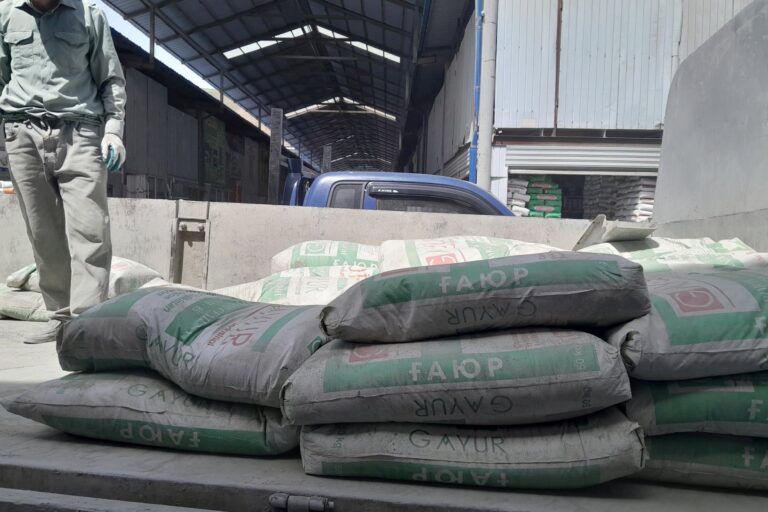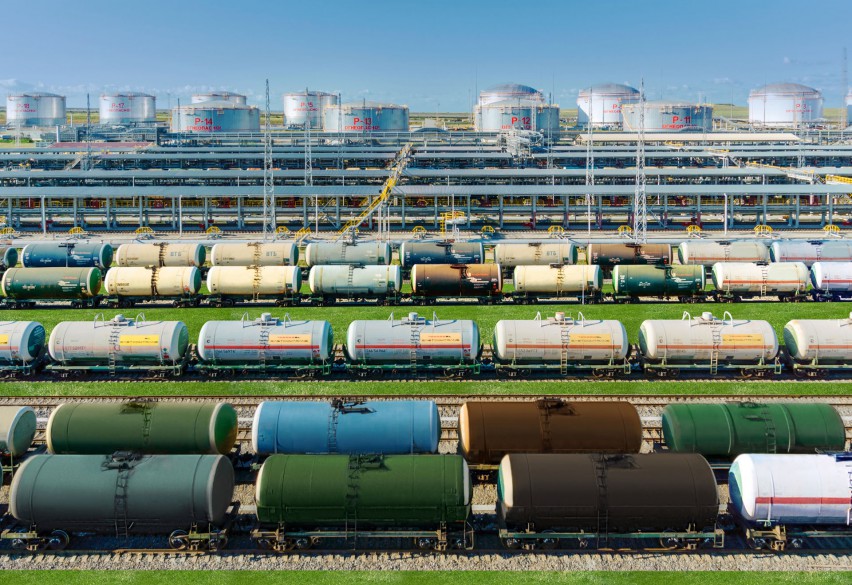
Fuel crisis has come to Tajikistan – the country is experiencing an acute shortage of the liquefied natural gas (LNG). More than 60 percent of the country's motor vehicles use liquefied gas as fuel and a sudden spike in LNG prices has led to increase of some public transport fares in the country and interruptions in the work of transport.
According to some sources, Kazakhstan, which provides the bulk of Tajikistan’s LNG imports, has sent a letter to Tajikistan officially notifying of suspending liquefied gas supplies until the beginning of the next year.
Meanwhile, the Deputy Minister of Energy and Water Resources of Tajikistan, Ms. Sharifa Orusbek, said they had not yet received an official letter on this subject from Kazakhstan.

“But we know from media that Kazakhstan has banned petroleum product exports for six months and liquefied gas supplies to Tajikistan are banned until the next year,” Ms. Orusbek told Asia-Plus in an interview.”
She noted that they were conducting negotiations with Kazakhstan on providing a certain volume of LNG to Tajikistan. “I hope we will achieve a positive result,” the deputy minister added.
Recall, one of Kazakhstan’s largest oil refinery “Atyrau” has not operated since the beginning of the year due to technical problems and the Kazak authorities in March this year has banned petroleum product exports for six months.
Asked whether they plan to import petroleum products from other countries next year, Ms. Orusbek noted that Tajikistan had an indicative agreement with Russia on annual duty-free delivery of 830,000 tons of Russian petroleum products to Tajikistan.
“Annually we have imported from Russia only 50% of this volume. The agreement also includes liquefied gas, but since the import of this type of fuel from Kazakhstan was cheaper for us, we imported other types of petroleum products from Russia. Now when Kazakhstan has stopped exporting liquefied gas, we can start importing it from Russia in the amount specified in the agreement,” Ms. Orusbek said.
As it had been reported earlier, Tajikistan under this agreement can receive 260,000 tons of gasoline, 310,000 tons of diesel fuel, 40,000 tons of jet fuel, 30,000 tons of fuel oil, 40,000 tons of bitumen, 100,000 tons of petroleum coke and only 50,000 tons of liquefied natural gas (LNG) duty-free.
Meanwhile, Tajikistan's annual requirements in liquefied natural gas are more than 400,000 tons.
According to Ms. Orusbek, they are also conducting negotiations with Iran and Turkmenistan on petroleum product deliveries. During President Emomali Rahmon’s state visit to Ashgabat, an agreement was signed with Turkmenistan on delivery of petroleum products to Tajikistan. Iran has reportedly also expressed readiness to deliver petroleum products, including liquefied natural gas, to Tajikistan.
The volume, cost and procedure for importing fuel from these countries are currently being discussed, she said.
It is to be noted that over the first six months of this year, Tajikistan has imported 517,000 tons of petroleum products, which was 60,000 tons fewer than in the same period last year.