The International Monetary Fund (IMF) said on August 18 that Afghanistan will not be able to access IMF resources, including a new allocation of Special Drawing Rights reserves, due to a lack of clarity over the recognition of its government after the Taliban seized control of Kabul.
The BBC says resources of over 370m U.S. dollars from the IMF had been set to arrive on August 23. These funds were reportedly part of a global IMF response to the economic crisis.
Access to the IMF's reserves in Special Drawing Rights (SDR) assets, which can be converted to government-backed money, has also been blocked. SDRs are the IMF's unit of exchange based on sterling, dollars, euros, yen and yuan.
"As is always the case, the IMF is guided by the views of the international community," the IMF spokesperson said.
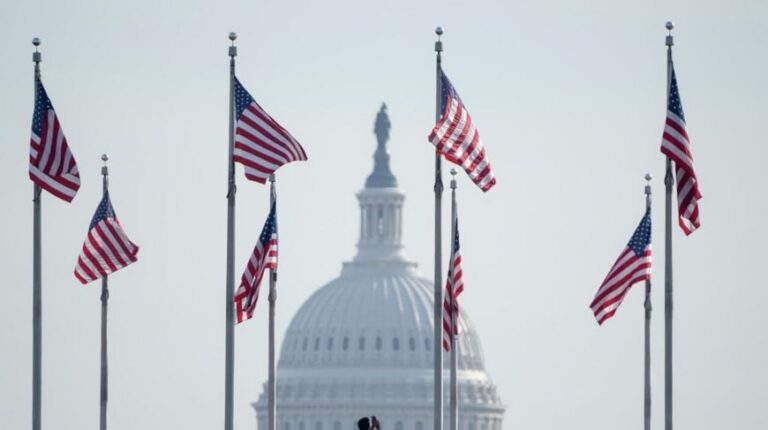
It comes after an official from the Biden administration told the BBC that any central bank assets the Afghan government has in the US will not be made available to the Taliban.
In a letter to the US Treasury Secretary Janet Yellen, Congress members called for assurances that the Taliban would receive no US-backed aid.
"The potential of the SDR allocation to provide nearly half a billion dollars in unconditional liquidity to a regime with a history of supporting terrorist actions against the United States and her allies is extremely concerning," 17 signatories wrote, according to the BBC.
Acting Governor of Afghanistan’s Central Bank Ajmal Ahmady, who fled the country at the weekend, tweeted that Da Afghanistan Bank's total reserves were approximately $9bn as of last week.
But he said as per international standards, most of this was held in safe, liquid assets such as US Treasury bonds and gold offshore.
"Given that the Taliban are still on international sanction lists, it is expected (confirmed?) that such assets will be frozen and not accessible to Taliban," Mr. Ahmady tweeted.
"We can say the accessible funds to the Taliban are perhaps 0.1-0.2% of Afghanistan's total international reserves. Not much."
Mr. Ahmady added that Washington's suspended shipments of physical dollars were causing Afghanistan's currency to depreciate. The Afghan currency, the Afghani, has fallen to record lows.