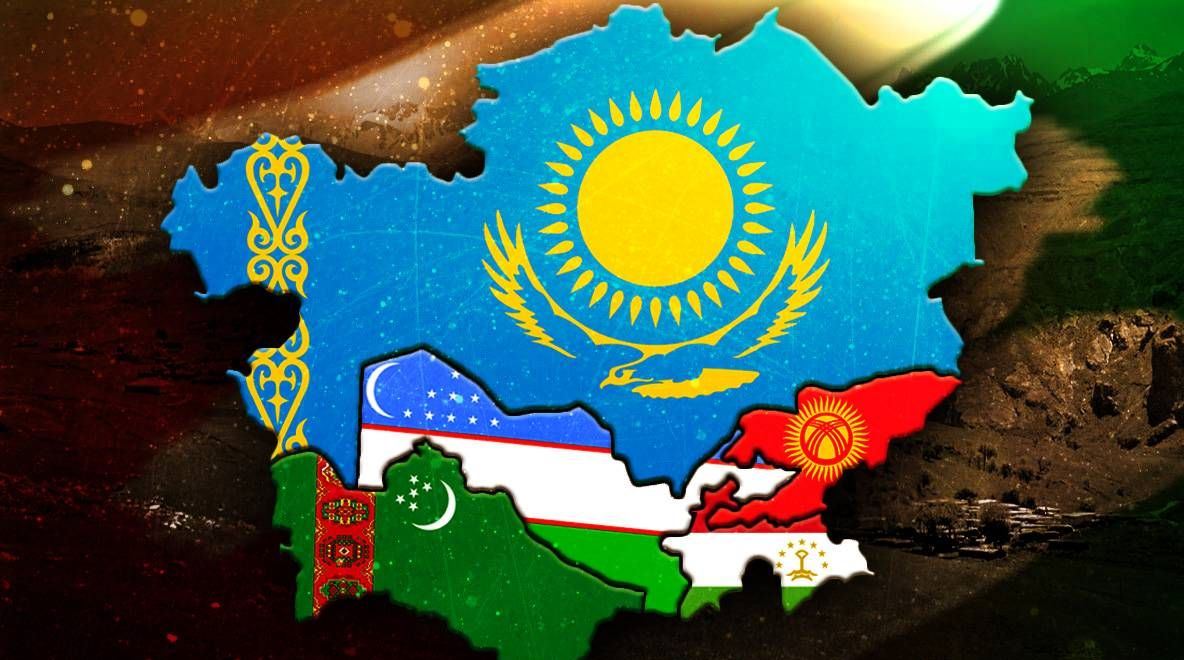
The European Bank for Reconstruction and Development (EBRD) is expecting Central Asian economies of Kazakhstan, Kyrgyzstan, Mongolia, Tajikistan, Turkmenistan and Uzbekistan to grow by 4.9 percent on average in 2021.
According to EBRD latest Regional Economic Prospects report, released on November 4, the region is expected to continue growing by around 4.8 percent in 2022 thanks to continued expansionary policies and strong external demand for key exports and labor resources.
The report notes that in 2021 growth was driven by the normalization of domestic activities following a gradual relaxation of COVID-19 restrictions. Increased lending to businesses and households, encouraged by temporary forbearance measures introduced by central banks, was another major factor.
Rising commodity prices reportedly benefit exporters of oil, gas and metals such as Kazakhstan, Mongolia, Turkmenistan, and, to a lesser degree, Uzbekistan.
At the same time, commodity importers such as Tajikistan and Kyrgyzstan are seeing increased demand for migrant workers in Russia and subsequently higher remittance flows.
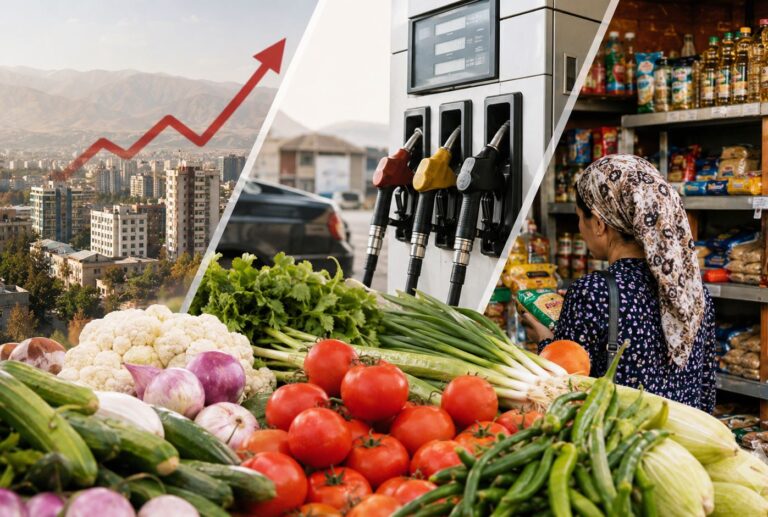
The report warns that abundant liquidity is driving credit expansion and asset price inflation across the entire region. Consumer price inflation is also on the rise in all Central Asian countries except Uzbekistan fuelled by rising food and commodity prices.
Overall, the EBRD raised its forecast for all its regions for 2021 to 5.5 per cent. While this represents an upward revision of 1.3 percentage points over its June forecast following a strong performance in the first half of the year, the Bank warns of serious threats ahead.
High commodity and energy prices, tight labor markets, supply chain disruption and currency depreciations in some EBRD economies have begun to push up inflation even before the latest spike in COVID-19 infection cases. On average, inflation in the EBRD regions reportedly exceeded its end of 2019 levels by 3 percentage points in September 2021. In response, a number of central banks in the EBRD regions have raised policy interest rates.
In some EBRD economies tight labor markets added to inflationary pressures with a strong rebound in vacancies in lower-medium skilled occupations. In other economies, considerable slack in labor markets remains.
Following large stimulus packages in response to the COVID-19 crisis, public debt in the EBRD regions has increased by an average of 13 percentage points of GDP since the end of 2019. While borrowing costs remain below their pre-crisis levels in most economies, they have risen sharply in some countries.
The recovery gathered pace in the EBRD regions in the first half of 2021 when output grew by 6.4 percent year-on-year. Mobility recovered earlier than in other parts of the world, while industrial production and retail sales rebounded. Exports of goods and services increased despite temporary supply chain disruptions. Remittances also grew in the second quarter of 2021, in some cases surpassing 2019 levels. Tourist arrivals reportedly exceeded expectations, but remained significantly below their 2019 levels in most EBRD economies.
The report notes that as economies recover, growth is expected to moderate to 3.8 percent in the EBRD regions in 2022. This is 0.1 percentage point lower than expected in June 2021. However, forecasts are subject to high uncertainty, reflecting risks associated with the future path of Covid-19, possible worsening of external conditions and weaker growth in trading partners.
More widespread inflationary concerns may bring forward policy tightening in advanced economies, making debt burdens more expensive to service, the report warns. Travel restrictions and lingering fears of contagion continue to weigh on the outlook for the tourism sector. While bankruptcies have so far remained contained, further vulnerabilities may surface once policy support is reduced.