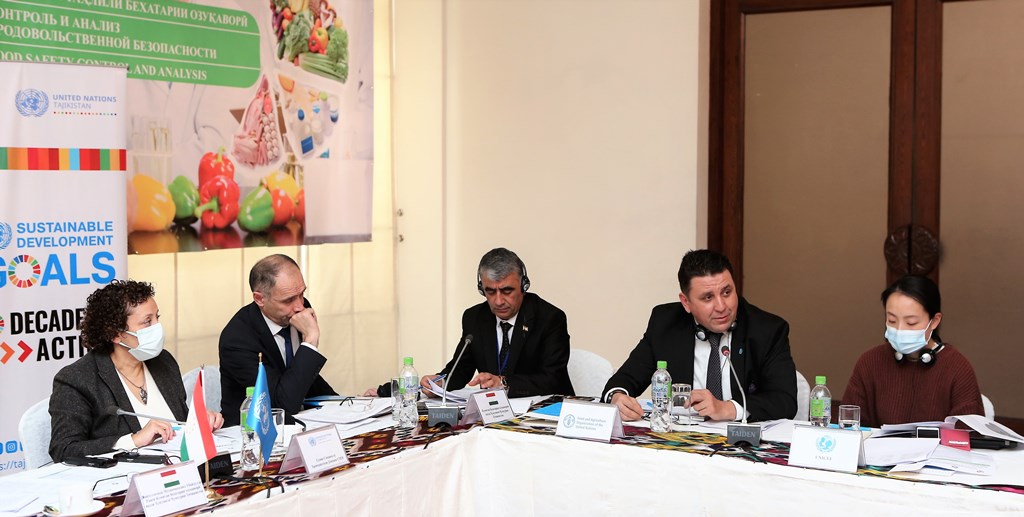
On Wednesday November 10, the Committee for Food Security under the Government of Tajikistan and the United Nations (UN) hosted a high-level meeting to launch the National Food Systems Pathway with the participation of the government, UN, development partners, civil society and the private sector.
According to the UN Resident Coordinator Office in Tajikistan, the meeting was a follow-up to the global Food Systems Summit held in Rome in September 2021 where the UN Secretary-General called on countries to build sustainable food systems to accelerate progress on the Sustainable Development Goals (SDGs) that promote healthier, more sustainable and more equitable food systems.
Food security is one of the five key priorities of the National Development Strategy for Tajikistan, as despite improvement in the socioeconomic situation, every third household is considered moderately or severely food insecure, with most negative effect on children. Lack of nutritious food limits physical and cognitive development of children. And, as they grow up, it affects health and productivity as workers. Annually, malnutrition is estimated to cost countries significant economic losses.
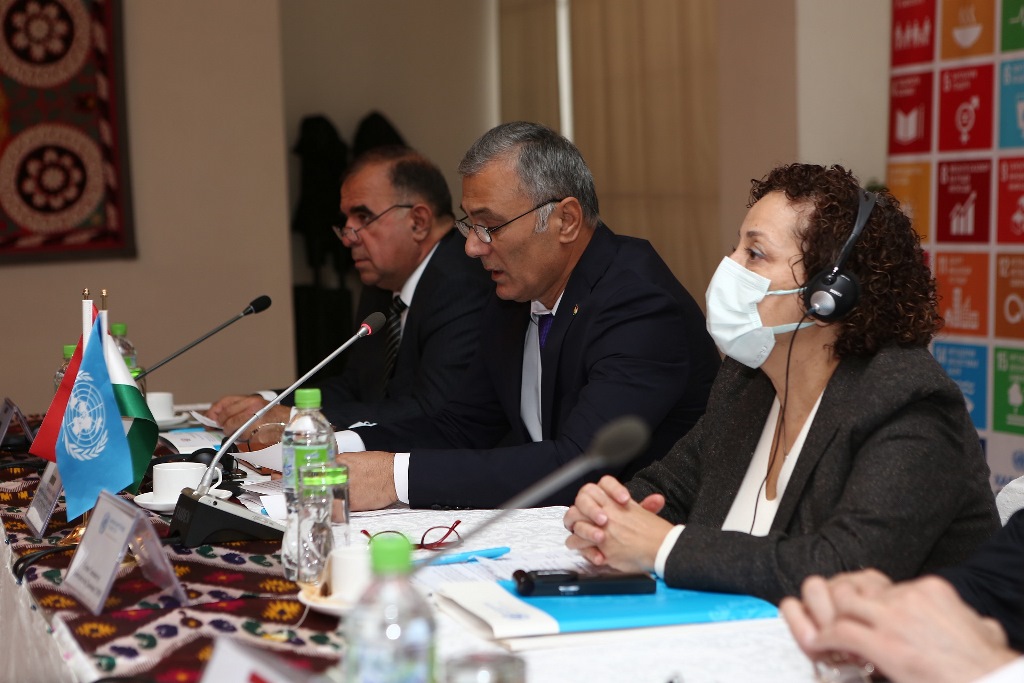
Speaking at the launch, Ms. Sezin Sinanoglu, the UN Resident Coordinator, underlined the importance of food systems for the future development of Tajikistan: “Building sustainable food systems is key not only for promoting food security and nutrition, but also for green growth and jobs. We need to increase food production while also considering environment protection. With the same amount of land, more food can be grown using climate-smart agricultural practices. The UN in Tajikistan stands ready to support the implementation of the national food systems pathway to ensure everyone has safe and nutritious food.”
The Chairperson of the Committee for Food Security under the Government of Tajikistan, Mr. Muhammadsaid Fayzullozoda, for his part, noted “Ensuring food security is one of top priorities of every state and nation, and constant efforts are being made in Tajikistan in this area as well. The purpose of the adoption and approval of this initiative is to improve food security and safety in the country. It will urge ministries and agencies to take the necessary measures to eradicate hunger, malnutrition and poverty.”
Designed to address existing gaps and challenges to sustainable food systems in the country, the pathway reportedly cuts across all key dimensions: food production; processing; distribution; safety standards; sale; consumption; and nutrition.
The objectives and activities of the pathway include: access to safe and nutritious food for all; sustainable use of natural resources; environment-friendly production; food consumption behavior; wellbeing and equity; and sustainability (rehabilitation/regeneration).