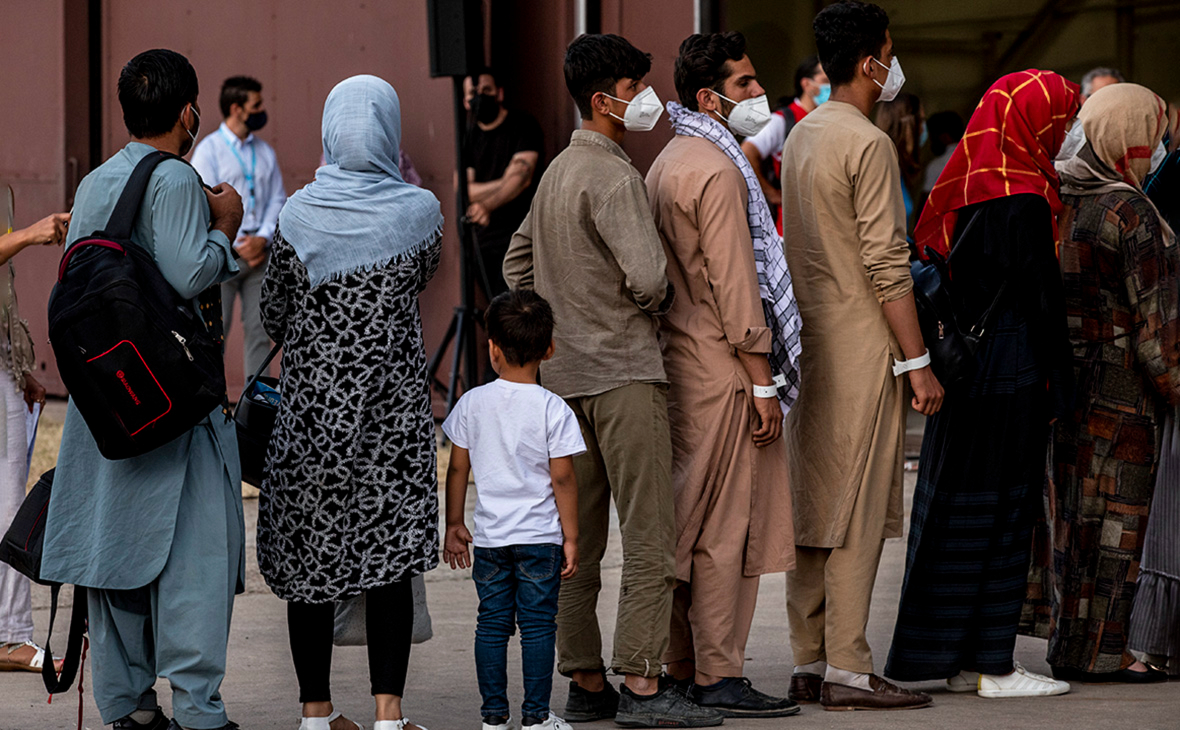
The UN refugee agency, the Office of the United Nations High Commissioner for Refugees (UNHCR), cy, is alarmed at the deportation of Afghan asylum-seekers by the Tajik authorities.
A statement released by UNHCR on November 19 says 11 men, women and children were forcibly returned to Afghanistan on November 11, prior to any examination of their claims for asylum and protection.
UNHCR is reportedly also concerned about increasing obstacles for Afghan citizens seeking safety and access to asylum procedures in Tajikistan more generally.
“At the end of July, local authorities suspended the issuance of residence permits to all newly arrived Afghans, despite the fact that such documentation is a pre-requisite to applications for asylum. In addition, the State RSD Commission has suspended its work in reviewing asylum applications for refugee status. These barriers to asylum have left newly arrived Afghans undocumented in the country, and subject to fines, possible arrest and deportation,” reads the statement.
UNHCR calls on the Tajik authorities to abstain from any return of Afghan asylum-seekers to Afghanistan, and to resume procedures for legal residence and refugee status determination immediately. Under international and national refugee and human rights law, Tajikistan remains obliged to provide access to its territory to those seeking international protection.
UNHCR has reportedly released a global non-return advisory for Afghanistan, calling for a bar on forced returns of all Afghan nationals since August. Whether or not Afghans crossing into neighboring countries have international protection needs can only be decided through a fair and efficient refugee status determination assessment. As such, it is not possible to assess whether those returned fear persecution and human rights violations in Afghanistan. Forced returns in these circumstances may place asylum-seekers at risk of persecution upon return and accordingly, constitute a serious breach of international law, according to the statement.
UNHCR also remains concerned about the risk of human rights violations against civilians in this evolving context, including women and girls, those perceived to have a current or past association with the former Afghan government, international organizations or with the international military forces.