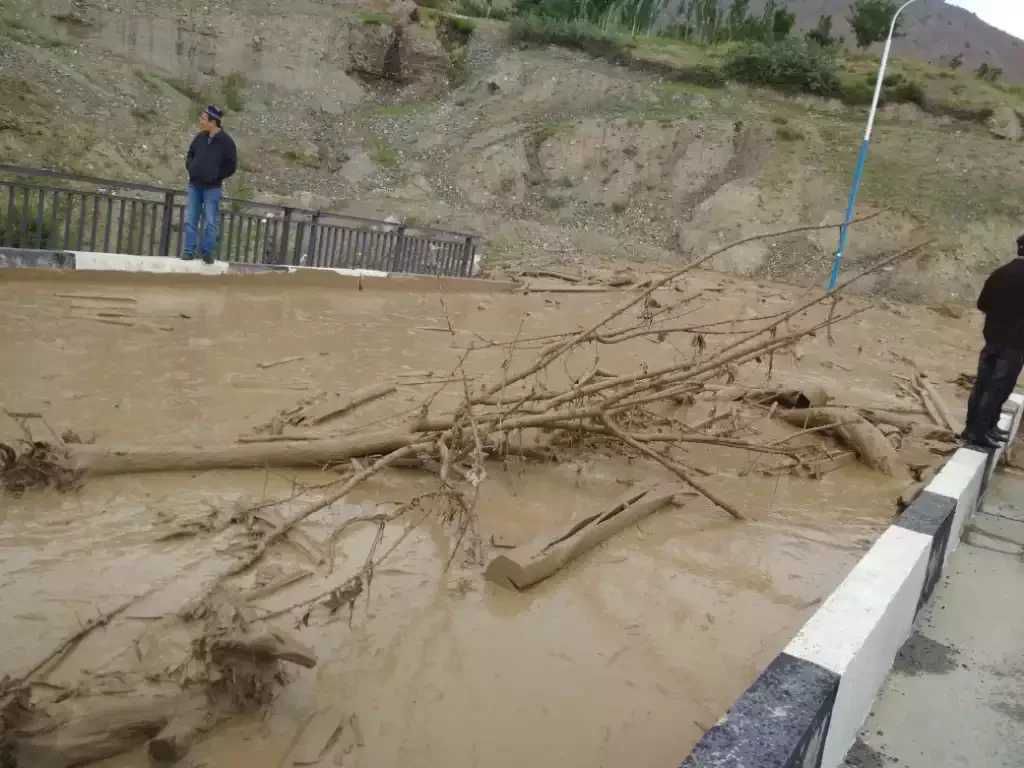
On Friday March 11, the World Bank (WB)’s Board of Executive Directors approved a US$50 million IDA grant for the Tajikistan Preparedness and Resilience to Disasters Project, which will invest in strengthening the resilience of key infrastructure against natural hazards, better mitigating climate-related risks and enhancing the national capacity in disaster risk management and climate change adaptation, according to the World Bank Country Office for Dushanbe.
“Damaged roads and bridges in a highly mountainous country like Tajikistan are not just about traffic interruption. They cut off entire communities from markets and critical services, impact trade and economic activity, and can entail loss of live, especially if timely emergency response is not provided,” said Ozan Sevimli, World Bank Country Manager for Tajikistan. “Our investments in Tajikistan’s disaster risk management and climate change adaptation capacity are of central importance because they help protect people, livelihoods and infrastructure today and in the future.”
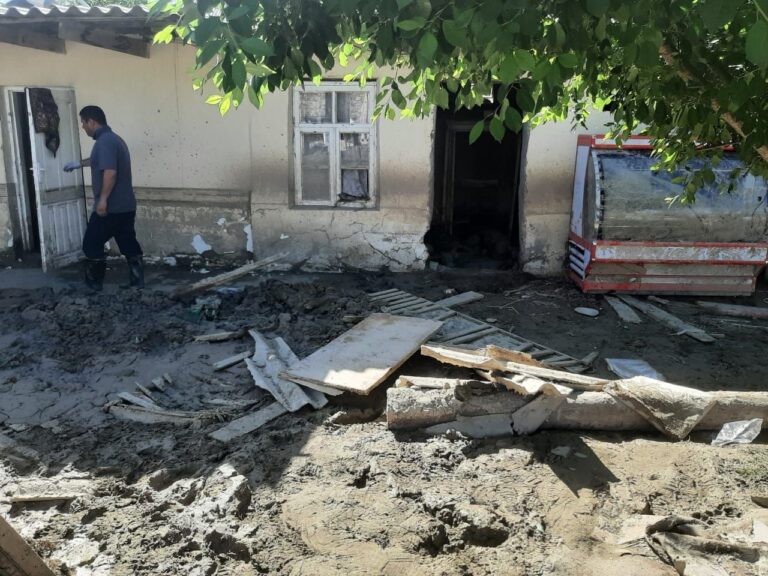
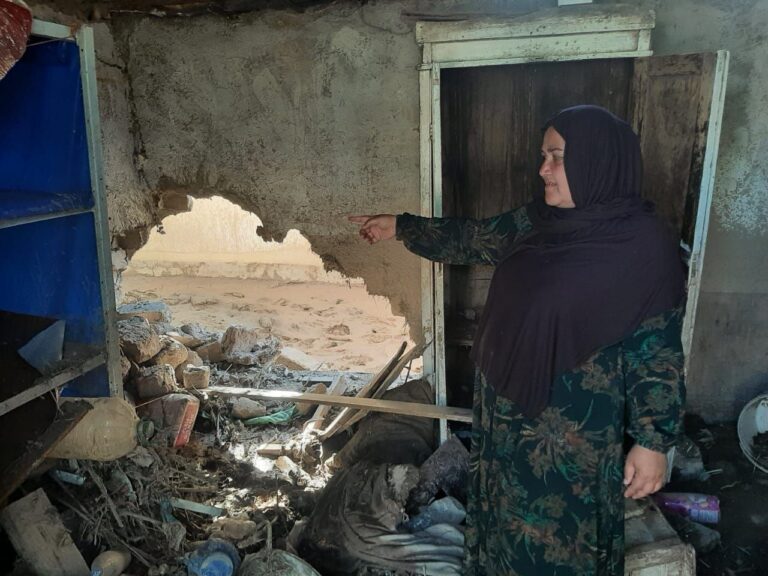
With support from the new project, Tajikistan is expected to enhance the resilience of its key road infrastructure following disaster and climate resilient designs and technological solutions to ensure improved resilience to extreme weather, future climate change risks and earthquakes. The priority road sections to benefit from this component include roads and bridges in the Khatlon province damaged by floods and mudflows of May-July 2021; two critical bridges on the Dushanbe – Roudaki road connecting the capital and the south of the country; and high-risk locations primarily between Labijar and Qaramiq in the corridor connecting Dushanbe with Kyrgyzstan through the Rasht Valley – important for international trade.
The project will also invest in Tajikistan’s technical and institutional capacity for disaster risk management and climate change resilience and adaptation through activities that focus on understanding and identification of disaster and climate change risks, preparedness, and financial protection against disasters. In particular, the project will help the Emergencies Committee to strengthen its decentralized capacity to coordinate and deliver emergency response. Regional crisis management centers in Khujand, Khorog and Bokhtar will be strengthened and equipped, including by provision of early warning and crisis communications equipment.
The project will also finance trainings for professional search and rescue teams, public trainings for disaster preparedness and improved awareness about climate change, and development of disaster preparedness and climate adaptation modules for different stakeholders, such as public agencies, vulnerable citizens, industrial zones, etc. The capacity of the Institute of Geology, Earthquake Engineering and Seismology will be further strengthened, so as to contribute towards updating and reinforcing the application of seismic building standards, codes and standards, also including energy efficiency considerations to mitigate climate change.
These activities will be implemented in coordination with the Asian Development Bank (ADB), UNDP and other development partners, which have also been investing in these efforts. The project will be implemented by the Ministry of Finance, Ministry of Transport, and the Emergencies Committee.
The new project builds on an ongoing World Bank support, which since 2017 is strengthening the resilience of key road infrastructure in eastern Gorno-Badakhshan Autonomous Oblast and enhancing the country’s capacity to prepare for, mitigate and respond to natural disasters.
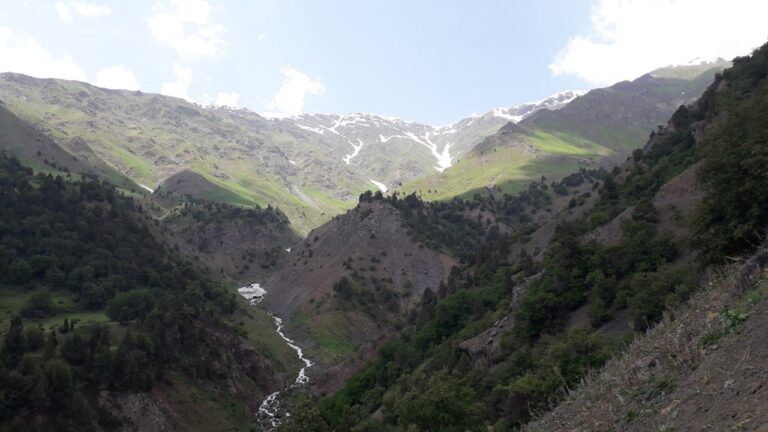
Natural disasters and climate change threaten Tajikistan’s economic and social development. The country’s varied geological, climatologic, and topographic features exacerbate its vulnerability, making it highly susceptible to many natural hazards, including earthquakes, floods, mudflows, landslides, and avalanches. Between 1992 and 2016, economic losses from natural hazards in Tajikistan exceeded US$1.8 billion and affected almost 7 million people. According to a recent assessment by the World Bank, the economic cost of disasters impacting Tajikistan’s road network is estimated at around 0.5% of GDP per annum, or around 445 million somonis in 2022. Due to climate change, it is estimated that the number of disasters affecting the road network will rise by 3% per annum over the next 10 years.
Currently, the World Bank is financing 23 projects in Tajikistan totaling at US$1.29 billion. Since 1996, the World Bank has provided over US$2.3 billion in IDA grants, highly concessional credits, and trust funds for Tajikistan. The World Bank Group is committed to continuing its support for Tajikistan as it strives to improve the lives and meet the aspirations of its young and growing population.