Tajikistan’s lower chamber (Majlisi Namoyandagon) of parliament has endorsed the protocol on making amendments to the government-to-government agreement between Tajikistan and Uzbekistan on mutual travels of citizens of the two countries of March 9, 2018. The amendments concern the term of stay of Tajikistanis in the neighboring country.
A regular sitting of the Majlisi Namoyandagon, presided over by its head, Mahmadtoir Zokirzoda, was held on March 30.
Presenting the document to lawmakers, Deputy Minister for Interior, Saidnakhsh Rahmonzoda, said the amendments are aimed at solving the difficulties faced by citizens due to the short duration of stay without registration.
Under paragraph 3 added to the government-to-government agreement on mutual travels of citizens, the term of stay of Tajiks in Uzbekistan is extended from three to ten days.
Meanwhile, Tajikistan and Uzbekistan in 2018 agreed to visa-free travel between the two countries. The new border regulations allow Tajik and Uzbek citizens to visit each others’ countries without visas for up to 30 days.
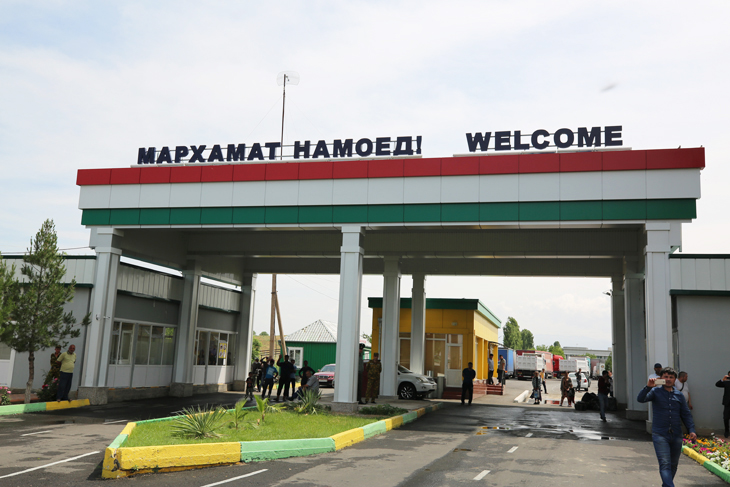
As it had been reported earlier, Tajikistan reopened all border crossing points (BCPs) along its common border with Uzbekistan on March 15, 2022.
The decision was made while taking into consideration the normalization of the epidemiological situation in Tajikistan and for the purpose of ensuring the regular work of the country’s economy and strengthening economic and social sties with neighboring countries.
Persons wanting to proceed via these BCPs are required to hold a certificate of a negative COVID-19 PCR-based test, made no earlier than 72 hours (3 days) prior to crossing the border
Uzbekistan, for its part, reopened all BCPs across the mutual border on March 16, 2022.
Practically all BCPs along the Tajik-Uzbek border were sealed in March 2020, and only three of them have operated since that time: Tusunzoda-Sariasiya; Fotehobod-Oibek; and Spitamen-Plotina. International goods have reportedly been transported through these BCPs.
Three other BCPs reopened along the Tajik-Uzbek border in December 2020 and one more reopened in early January 2021. But not all categories of citizens were allowed to proceed via these BCPs. Only Tajik students studying in Uzbekistan and Uzbek students studying in Tajikistan as well as those nationals of Tajikistan and Uzbekistan who have a wife, a husband or children in the neighboring country were allowed to proceed via these BCPs.
Currently, there are eighteen BCPs along the Tajik-Uzbek border; nine of them have an international status. Fourteen BCPs are located in the northern Sughd province and the remaining four BCPs are located in the southern Khatlon province and in the Tursunzoda district (western Tajikistan).