Tajikistan will receive 45 million US dollars in grant from the International Development Association (IDA), which is the part of the World Bank, for financing the Resilient Landscape Restoration Project.
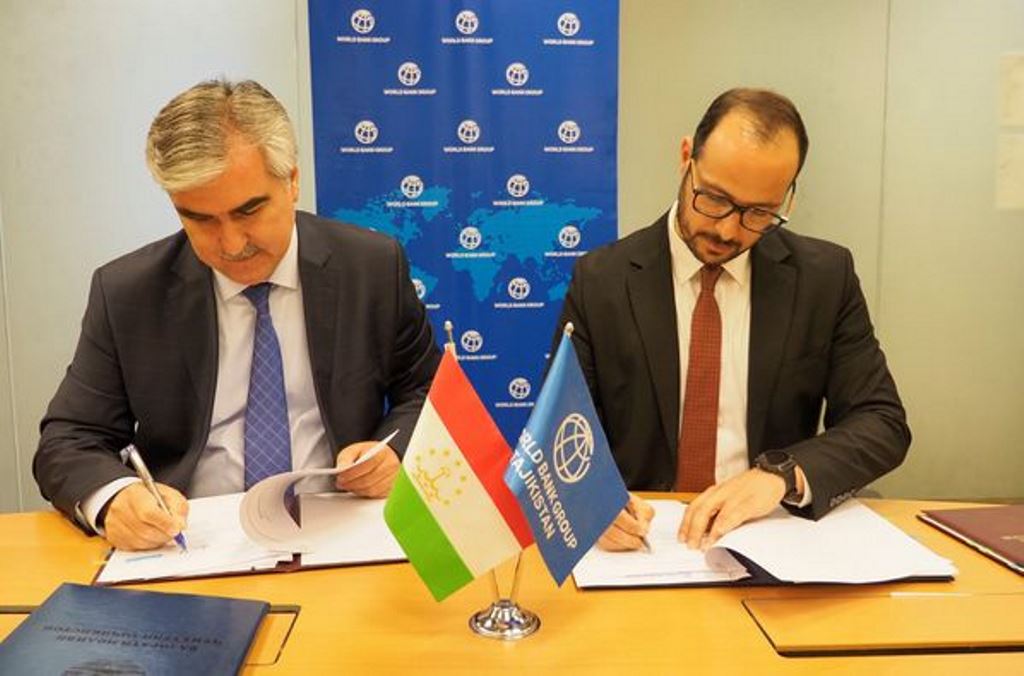
According to the Ministry of Finance (MoF) Secretariat, the agreement on this subject was signed here on May 17 by Mr. Faiziddin Qahhorzoda, Finance Minister of Tajikistan and Mr. Ozan Sevimli, World Bank Country Manager for Tajikistan.
The goal of the Tajikistan Resilient Landscape Restoration Project (TRLRP) is to support sustainable land management in Tajikistan and promote collaboration with Central Asian countries on transboundary landscape restoration. This is the first project under the World Bank’s Central Asia Resilient Landscape Restoration (RESILAND CA+) Program.
The World Bank’s Board of Executive Directors approved today $45 million in grant financing from the International Development Association (IDA) for the RESILAND CA+ Program: Tajikistan Resilient Landscape Restoration Project on February 25, 2022.
“Over 70% of Tajikistan’s population lives in rural areas and is highly dependent on natural resources, including forest, pasture, water and agriculture lands,” Mr. Ozan Sevimli noted in February.
According to him, the project will introduce modern approaches and climate smart practices in forest, pasture and cropping lands management to help restore natural resources and improve people’s livelihoods.”
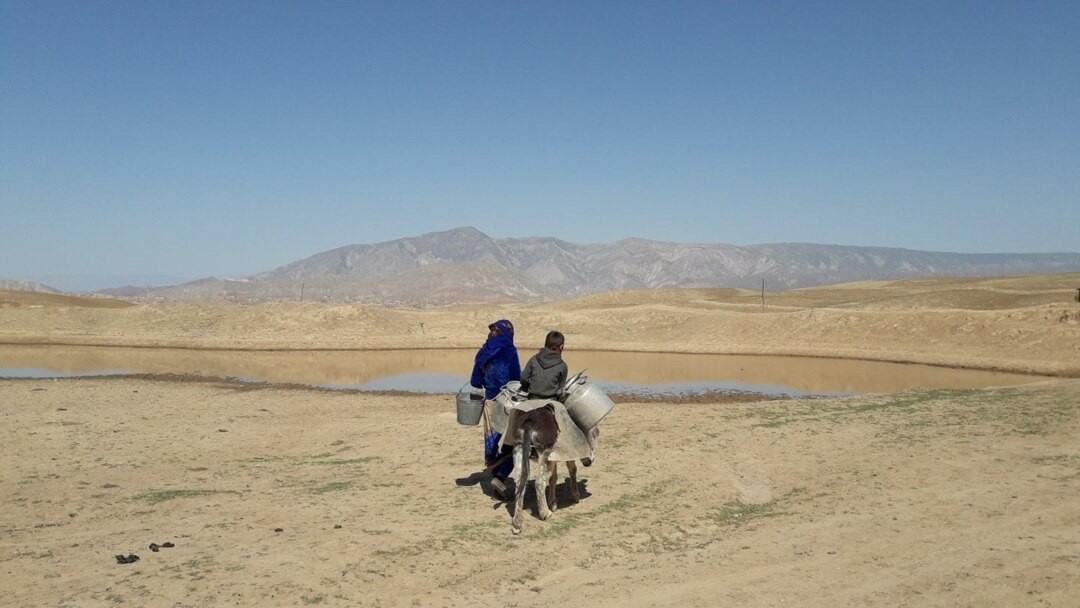
According to data from the World Bank, degradation-related disasters have affected the lives of over 10 million people in Central Asia since 1990 and caused damages worth around $2.5 billion. In Tajikistan alone, the increased frequency of landslides and mudflows has reportedly led to an economic cost of about US$750 million over the past decade. At least 10% of Tajikistan’s population is living on degraded lands, while soil erosion affects about 70% of arable land. Tajikistan’s limited forest cover is diminishing rapidly due to overexploitation and uncontrolled grazing.
The World Bank Central Asia Resilient Landscape Restoration Program (RESILAND CA+ Program) was formed in 2019 to provide Central Asian countries with a regional framework for landscape restoration to increase the resilience of regional landscapes.
The RESILAND CA+ is an umbrella program that includes national projects in Kazakhstan, Kyrgyzstan, Tajikistan, and Uzbekistan to help these Central Asia’s nations restore landscapes through investments and technical knowledge and expertise. In addition to supporting national projects, it will also enhance regional dialogue and collaboration on landscape management region wide. Supporting communities, youth, and women along border areas to build a vibrant economy based on forest and natural resources, RESILAND CA+ also aims to contribute to increased climate resilience of people, ecosystems, and infrastructure.