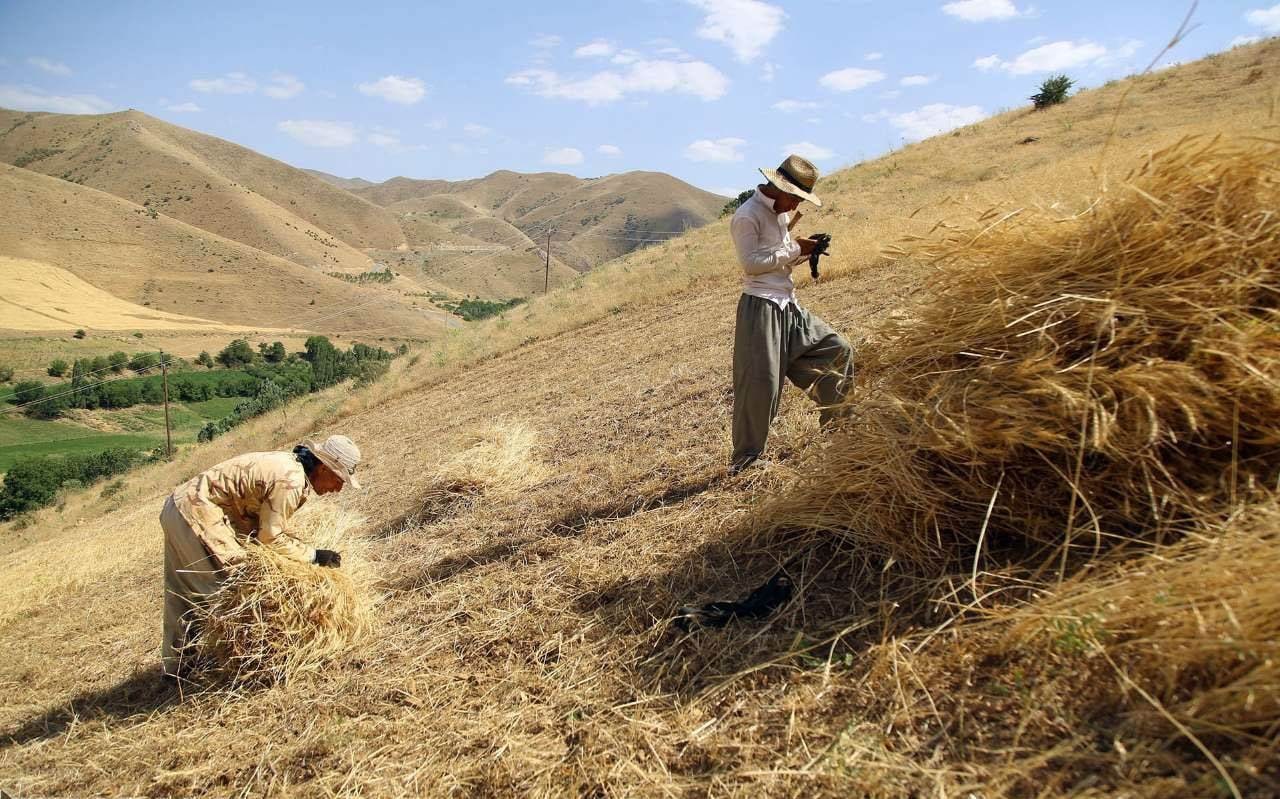
Tajikistan plans to increase wheat imports because its own stocks are not sufficient. The Ministry of Economic Development and Trade (MoEDT) and the Ministry of Agriculture (MoA), however, claim that there is no cause for concern yet: a new crop in the amount of 917,000, and imports of 1.2 million tons of grains lay ahead.
According to the government's forecast of the main macroeconomic indicators, Tajikistan will increase wheat imports by 21.4 percent and production of it by 12 percent within the next three years.
Meanwhile, neighboring Uzbekistan and Kyrgyzstan sound the alarm as their stocks of wheat are enough for only 5 or 6 months.
Turkmenistan plans to produce 1.4 million tons of wheats this year and it can export part of its wheat harvest.
Kazakhstan, which provides the bulk of Central Asian nations’ wheat imports, says that its wheat stocks, excluding new harvest, are enough for two years.
According to forecasts of a MoEDT, Tajikistan will increase wheat imports from 1.1 million tons in 2021 to 1.4 million tons in 2024.
Recall, Kazakhstan limit wheat and flour exports to 1 million tons and 300,000 tons, respectively, for three months starting on April 15. It’s not clear if the restrictions will be extended beyond that date.
Kazakhstan's decision to ban wheat exports is really bad news for the Central Asian countries, which get some 90 percent of their wheat imports from Kazakhstan.
It also comes at a time when prices for wheat and other food products have reportedly risen to record highs globally because of the war in Ukraine, which is also a major producer of wheat.
Bread is the most important staple in Tajikistan, where some families say they only have “bread, tea, and sugar for breakfast.”
The government said it was working out a crisis-management plan to prevent any unwarranted price hike for food products and to support the most vulnerable, but details of the plan haven't been made public.
Tajik President Emomali Rahmon urged people on April 1 to stock up on food, noting that “humanity is facing an extremely difficult year, especially in terms of food security.”
Rahmon called on Tajiks to work hard to have a good harvest and to store up to “two years’ worth of food.”