Tajik authorities to invest in large infrastructure projects in GBAO

Eurasianet says that as Tajikistan’s government consolidates its control over the Gorno-Badakhshan Autonomous Region (GBAO), it is now going to invest in large infrastructure projects in the region.    President Emomali Rahmon has charged Industry and Innovative Technologies Minister Sherali Kabir, who is also the president’s special plenipotentiary to the GBAO, with overseeing the construction drive. […]

Eurasianet says that as Tajikistan’s government consolidates its control over the Gorno-Badakhshan Autonomous Region (GBAO), it is now going to invest in large infrastructure projects in the region.   

President Emomali Rahmon has charged Industry and Innovative Technologies Minister Sherali Kabir, who is also the president’s special plenipotentiary to the GBAO, with overseeing the construction drive.

On June 30, work was reportedly started strengthening sections of the bank of the Panj River, which marks Tajikistan’s border with Afghanistan. That same day, a government news outlet based in the GBAO reported on a project to provide drinking water to 620 families in GBAO’s capital, Khorog, Eurasianet says, noting that the city is also expected to see the construction of two new sports stadiums, parks and a 10-story building for the Khorog State University.

State broadcasters have reportedly devoted ample airtime to the planned construction of a 360-meter tunnel that is to be built along the highway linking the towns of Qalai-Khumb and Vanj, GBAO’s two westernmost districts.  Work overhauling that section of road is being financed with loans from China.

In a speech in his hometown of Danghara, President Emomali Rahmon on June 17 instructed Industry and Innovative Technologies Minister Sherali Kabir to study opportunities for the creation of technology parks and small and medium-sized industrial enterprises.  Eighty percent of the people employed at those enterprises should be from the GBAO, Rahmon said, according to Eurasianet.

Unemployment in Tajikistan is rife, but the problem is especially bad in the GBAO.  While, by some estimates, around 20-30 percent of the national population lives below the poverty rate, that figure is near to 40 percent in the Pamirs, according to Eurasianet.   
Join us on social media!

Article translations:

Related Article

Tenisi
Оби зулол
Оби зулол

Most Read

Коммерсбонк Точикистон

Recent Articles

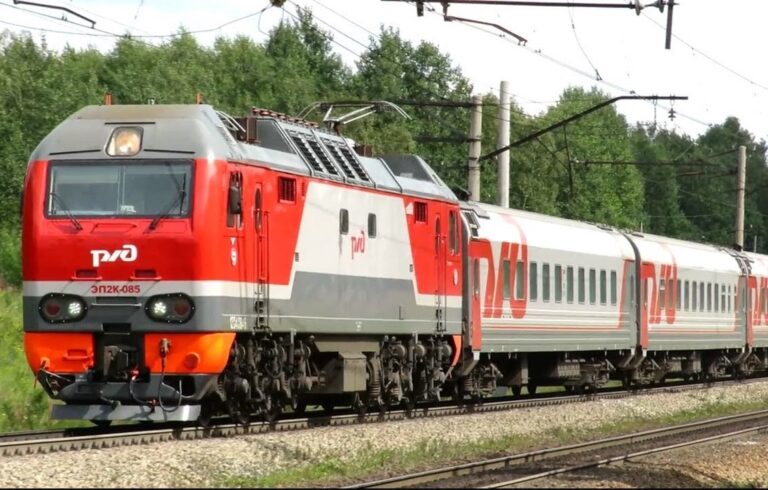
RZD announces the restoration of passenger services between Moscow and Dushanbe

Direct rail services between the capitals of Russia and Tajikistan were suspended in March 2020 due to the COVID-19 pandemic.

#AP30/Stories. “Selam! Heller nichek?” How Tatars live today in Sughd province

On the 30th anniversary of "Asia-Plus," we continue to publish reports that remain relevant even after years. This story was told in 2021, and since then, little has changed in the life of the Tatar community in Tajikistan.

15,000 cameras, drones, and robots: how technology monitors pilgrims in Mecca and Medina

During Hajj 2026, Mecca and Medina were under unprecedented digital control.

Another child in Dushanbe removed from family and sent to boarding school

The Ministry of Internal Affairs reports that the parents did not pay adequate attention to the child.

Emomali Rahmon instructs to address issues in seed production following criticism of the industry

Issues have been noted with certification, seed quality, and the material and technical base of the industry.

Water, climate, and a $130 billion deficit: seven key outcomes of the Water Conference in Dushanbe

At the forum, countries and international organizations discussed new mechanisms for cooperation, investments, and technologies that are essential for addressing the global water crisis.

Eskhata Bank introduces a new generation children’s wallet

"Eshkata Bank" has created a full-fledged digital platform that helps children aged 7 to 16 learn how to manage money.