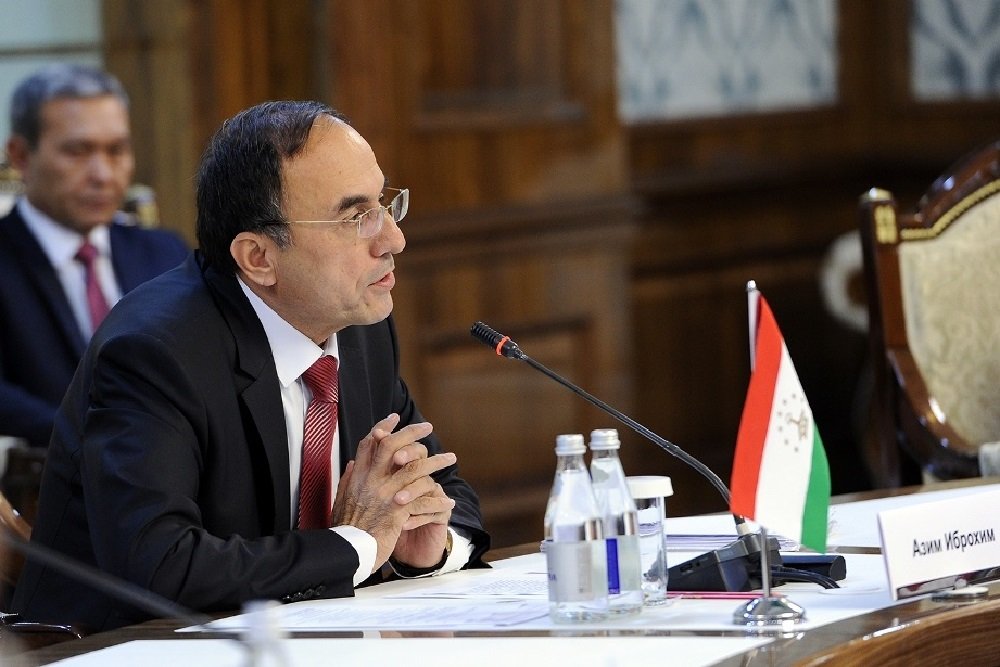
Tajik Minister of transport Azim Ibrohim heading a government delegation is participating in a two-day Ministerial Transport Conference of Landlocked Developing Countries that kicked off in Turkmenbashi, Turkmenistan today. The theme of the conference is ‘Ashgabat Process: Financing for Better Connectivity.’
The meeting is jointly organized by the Office of the High Representative for Least Developed Countries, Landlocked Developing Countries and Small Island Developing States (UN-OHRLLS) and the Government of Turkmenistan, in collaboration with United Nations Department of Economic and Social Affairs (UN DESA).
The conference is taking place in a hybrid format. The in-person event is being held in Turkmenbashi, while the virtual format is accessible via Zoom.
An official source with Tajik MFA says the event is attended by government representatives of the 32 developing countries, representatives of United Nations agencies and programs, relevant international and regional organizations, international financial institutions, donors as well as representatives of the private sector and the academic community.
“Tajik Minister of Transport Azim Ibrohim will head the fourth session of the conference under the theme of “Accelerating Digitalization to Improve Transit and Simplify the Business Process, as well as Sustainable Recovery after COVID-19 Pandemic.”
According to UN-OHRLLS, the key objectives of the Ministerial Conference include: review the progress made by the landlocked developing countries (LLDCs) on sustainable transport and the related SDGs, and identify the impact of the COVID-19 pandemic and other challenges; review the critical role of transport for post-COVID-19 recovery and climate change mitigation and adaptation; share knowledge, experiences and innovative approaches and solutions for post-COVID-19 infrastructure financing, delivery, and resilience – including the mobilization of financing for transport infrastructure development and maintenance; identify recommendations and opportunities for enhancing transport infrastructure development and maintenance in LLDCs; scaling up international support on transport; and strengthening cooperation on transport connectivity for the benefit of LLDCs.
The expected outcomes of the Ministerial Conference:
– Policy recommendations and priorities on how to develop and further ameliorate transport connectivity in order to improve trade potential of the LLDCs in the context of COVID-19 recovery; and how to further mobilize resources to promote transport connectivity of the LLDCs;
– Enhanced commitment and momentum to expand partnerships to advance COVID-19 recovery and to accelerate the implementation of the 2030 Agenda;
– Through the Conference’s outcome document, contribute perspectives of the LLDCs to the preparations of the Third United Nations Conference on LLDCs to be held in 2024.
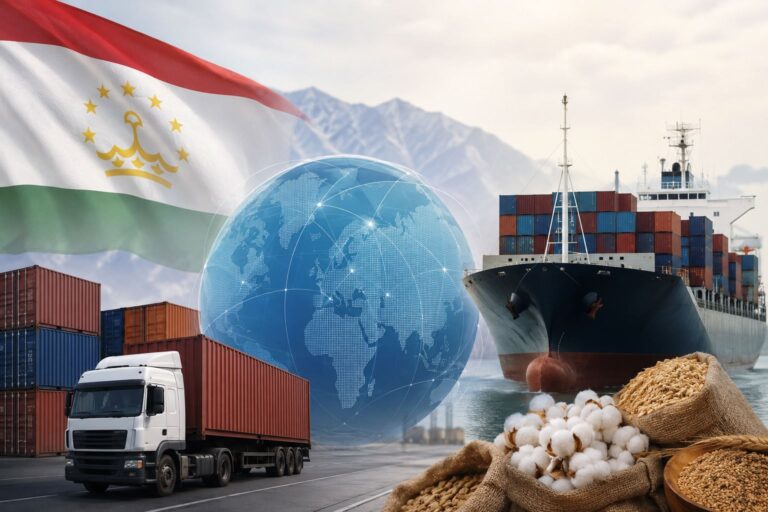
The 32 landlocked developing countries with a population of 533 million share common problems due to their geographical location, which affect their economic engagement with the rest of the world. Long distances from the nearest seaports, poorly developed transport and transit systems and cumbersome transit procedures cause the LLDCs to incur higher transport and transit costs when compared to coastal countries. According to a recent study by the WTO (2021), trade costs in LLDCs are 1.4 times higher than that of coastal developing countries. These costs erode the competitive edge of the LLDCs resulting in a negative impact on their integration into the global economy and their overall sustainable development. They are also not able to fully tap on the benefits of global trade such as investment finance, technology and services that are needed for structural transformation of economies.