Inflation in Tajikistan’s consumer goods sector for January-August estimated at 3.3 percent

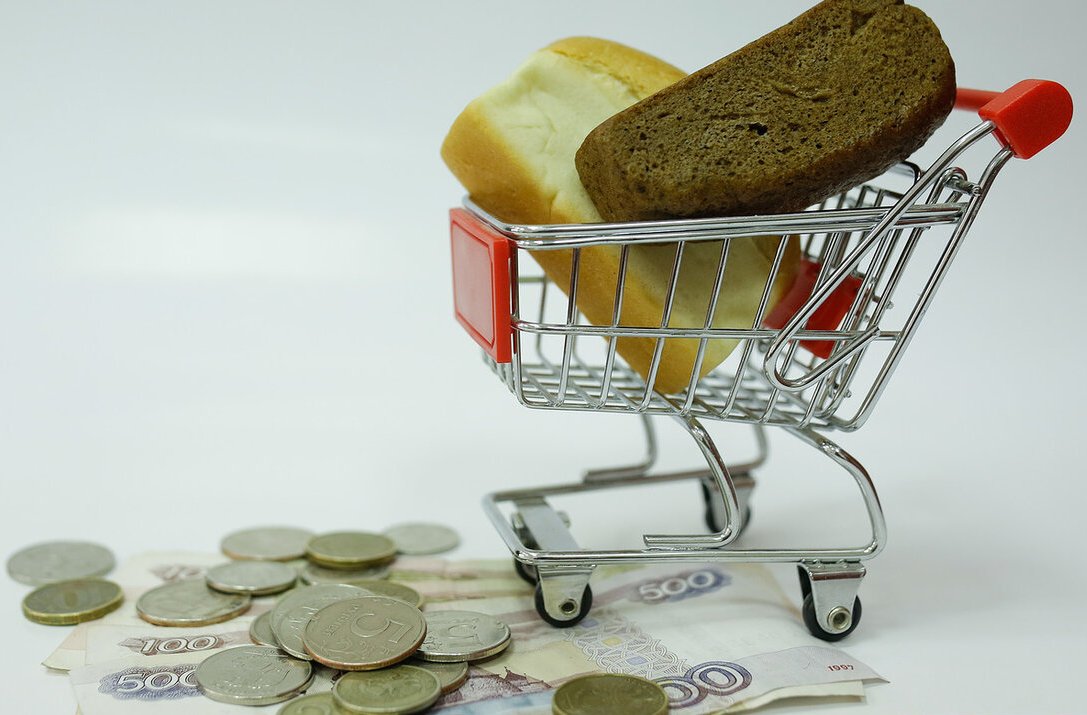
Over the first eight months of this year, inflation in Tajikistan’s consumer goods has stood at 3.3 percent, which is 1.2 percent lower than in January-July this year, according to the National Bank of Tajikistan (NBT). Tajikistan’s financial regulator says the inflation rate has decreased due to deflation observed in the country in August. The […]

Over the first eight months of this year, inflation in Tajikistan’s consumer goods has stood at 3.3 percent, which is 1.2 percent lower than in January-July this year, according to the National Bank of Tajikistan (NBT).

Tajikistan’s financial regulator says the inflation rate has decreased due to deflation observed in the country in August.

The NBT notes that the cost of products of the food industry in August decreased in the country on average by 2.5 percent.

The decrease in cost of products of the food industry was reportedly caused by a 4.8-percent decrease in prices for wheat flour; 3.4-percent decrease in prices for bakery products and groats; 6.3-percent decrease in prices for vegetables; 3.9-percent decrease in prices for vegetable oils and fats; 3.0-percentr decrease in prices for fruits; 3.6-percent de crease in prices for sugar; 2.3-percent decrease in prices for milk; 1.1-percent decrease in prices for lamb; and 0.2-percent decrease in prices for chicken meat.   

Meanwhile, prices for non-foodstuffs and prices and rates for services rendered to the population have reportedly increased over the reporting period, but insignificantly: 0.3 percent and 0.1 percent, respectively.  

Deflation is when the prices of goods and services fall.  Deflation expectations make consumers wait for future lower prices.  That reduces demand and slows growth.  Deflation is worse than inflation because interest rates can only be lowered to zero.  Deflation is bad when it occurs in reaction to previous over-inflation. 

Effects of deflation include; declining demand, which perhaps is one of the most prominent effects of deflation; unemployment and lower wages (as businesses see lower levels of demand, they also see lower profits and a reduced need for workers); debt burden grows (as deflation takes hold, prices and incomes decline); reduced Investment; and strengthening currency.

By the way, Tajikistan’s central bank on August 22 raised the refinancing rate from 13.25 percent to 13.50 percent, explaining this by curbing inflation in the medium term.  

Join us on social media!

Article translations:

Related Article

Оби зулол
Оби зулол
Tenisi

Most Read

Коммерсбонк Точикистон

Recent Articles

RZD announces the restoration of passenger services between Moscow and Dushanbe

Direct rail services between the capitals of Russia and Tajikistan were suspended in March 2020 due to the COVID-19 pandemic.

#AP30/Stories. “Selam! Heller nichek?” How Tatars live today in Sughd province

On the 30th anniversary of "Asia-Plus," we continue to publish reports that remain relevant even after years. This story was told in 2021, and since then, little has changed in the life of the Tatar community in Tajikistan.

15,000 cameras, drones, and robots: how technology monitors pilgrims in Mecca and Medina

During Hajj 2026, Mecca and Medina were under unprecedented digital control.

Another child in Dushanbe removed from family and sent to boarding school

The Ministry of Internal Affairs reports that the parents did not pay adequate attention to the child.

Emomali Rahmon instructs to address issues in seed production following criticism of the industry

Issues have been noted with certification, seed quality, and the material and technical base of the industry.

Water, climate, and a $130 billion deficit: seven key outcomes of the Water Conference in Dushanbe

At the forum, countries and international organizations discussed new mechanisms for cooperation, investments, and technologies that are essential for addressing the global water crisis.

Eskhata Bank introduces a new generation children’s wallet

"Eshkata Bank" has created a full-fledged digital platform that helps children aged 7 to 16 learn how to manage money.