Not for the first time, the cold season is throwing Central Asia's energy shortages into sharp relief and giving hurting populations more reasons to be angry with their governments during an economic crunch, says an article by Chris Rickleton posted on Radio Liberty’s website on December 3.
“Winter Tests Central Asia's Decrepit Energy Systems, People's Patience", in particular, notes that there are huge losses of electricity, up to 40 percent in some of these countries, because the grid networks are so outdated and governments have not renovated them in years. Kyrgyz expert Alisher Khamidov told Radio Liberty that the shortages are caused largely by mismanagement.
In rural areas of Tajikistan, daytime electricity reportedly came to a halt when scheduled blackouts began in October.
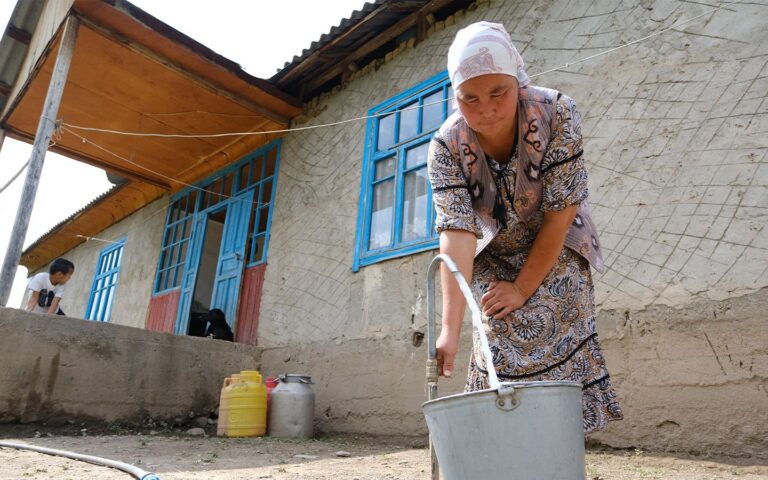
Safarmoh Bobokhonova from a village 10 kilometers from the Tajik southern city of Kulob told RFE/RL, “The water pump needs electricity to work. And so we haven't had water for a month.”
RFE/RL notes that in settlements around Tajikistan — although not in the big cities — annual blackouts are growing longer from week to week and are forcing residents to turn to coal.
Yet amid across-the-board inflation, coal prices have spiked 20 percent this year — a situation that traders told RFE/RL had been exacerbated by increases in road tolls levied by an omnipotent toll-collecting company.
But Tajikistan is Central Asia's most energy-rich country that has provided the most stunning evidence of the energy collapse this winter.
Ekibastuz, a city of 150,000 people in northern Kazakhstan, sits close to two of Central Asia's largest coal mines and just 15 kilometers from a power station that supplies around 15 percent of the country's energy. Yet the smaller, privately-owned power station that supplies the city itself and is reportedly now almost 70 years old broke down on November 27, just as temperatures plunged to -30 degrees Celsius. In the days since the crash, footage has shown residents preferring to stand by fires instead of freezing in their apartments or face a crush to try and get an electric heater.
Residents of the northeastern city of Oskemen have also reported central-heating issues. A representative of the power station told RFE/RL's Kazakh Service that plans to expand the station to meet growing demand were interrupted by geopolitical fallout from Russia's invasion of Ukraine, with a Russian supplier unwilling to supply parts for the rebuild.
Four of the five Central Asian countries — gas-rich, information-scarce Turkmenistan being the exception — have suffered power shortages in the last month, the article notes.
Uzbekistan reportedly witnessed rare — if small — provincial protests over power shortages two years ago, and the shortages are looking similarly acute this year.
In the first half of November, a key fertilizer plant in the agriculture-rich Ferghana region ended production nearly two months ahead of schedule due to gas shortages, employees of the Ferganaazot company complained to RFE/RL's Uzbek Service.
In Tashkent, the state company responsible for street lighting in the capital explained that nighttime illumination of central streets would be "restricted" from November 16.
While Kazakhstan and Uzbekistan look to thermal power plants for the biggest share of their energy mix, in Kyrgyzstan and Tajikistan hydropower plays an important role in keeping the lights on.
That makes the volume of glacier-fed reservoirs adjoined to hydroelectric power stations like Toktogul in Kyrgyzstan and Nurek in Tajikistan a perennial worry for the region's two poorest governments.
But an expert interviewed by RFE/RL's Tajik Service argues that Tajik electric company Barqi Tojik did not have that excuse this season, suggesting that the rolling blackouts in villages this year reflected Dushanbe's priorities. “Industrial plants receive electricity in unlimited volumes and we know that electricity is being exported to Afghanistan,” said economist Abdurahmon Hakimzoda. “We should satisfy the people of Tajikistan with electricity first.”