An article by Jonathan Tirone and Golnar Motevalli, posted on the Bloomberg’s website, notes that Russia and Iran are building a new transcontinental trade route stretching from the eastern edge of Europe to the Indian Ocean, a 3,000–kilometer passage that’s beyond the reach of any foreign intervention.
The two countries are reportedly spending billions of dollars to speed up delivery of cargos along rivers and railways linked by the Caspian Sea.
Russia and Iran, under tremendous pressure from sanctions, are turning toward each other—and they’re both looking eastward, too. The goal is to shield commercial links from Western interference and build new ones with the giant and fast–growing economies of Asia, according to the article.
The authors note that the emerging trade corridor would allow Russia and Iran to shave thousands of kilometers off existing routes. At its northern end is the Sea of Azov, which is bracketed by the Crimean Peninsula and the mouth of the River Don.
From there river, sea and rail networks extend to Iranian hubs on the Caspian Sea and ultimately the Indian Ocean.
At an economic forum in September, Russian President Vladimir Putin underlined the need to develop the ship, rail and road infrastructure along the route that “will provide Russian companies with new opportunities to enter the markets of Iran, India, the Middle East and Africa, and will facilitate supplies from these countries in return.”
Some experts estimate Russia and Iran are investing as much as US$25 billion in the inland trade corridor, helping to facilitate the flow of goods the West wants to stop.
That alarms the US and its allies, who are concerned with any effort to help Russia evade the sanctions.
Beyond any arms trade between the countries, there are compelling economic reasons for the new transit route.
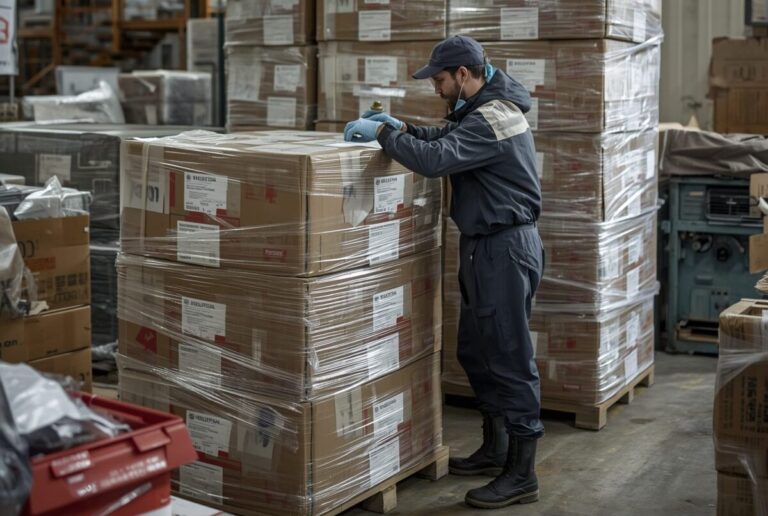
According to the article, ships sailing the Don and Volga rivers have traditionally traded energy and agricultural commodities—Iran is the third-largest importer of Russian grain—but the range is set to widen. The two countries have announced a raft of new business deals that cover goods including turbines, polymers, medical supplies and automotive parts. Russia also supplies nuclear fuel and components for Iran’s reactor in Bushehr.
Russia reportedly needs to compensate for the sudden breakdown of its commercial ties with Europe, which before the war was its biggest trade partner, as well as finding workarounds for US and European Union sanctions.
There are plenty of obstacles, and both Russia and Iran are spending heavily to overcome them, the article says.