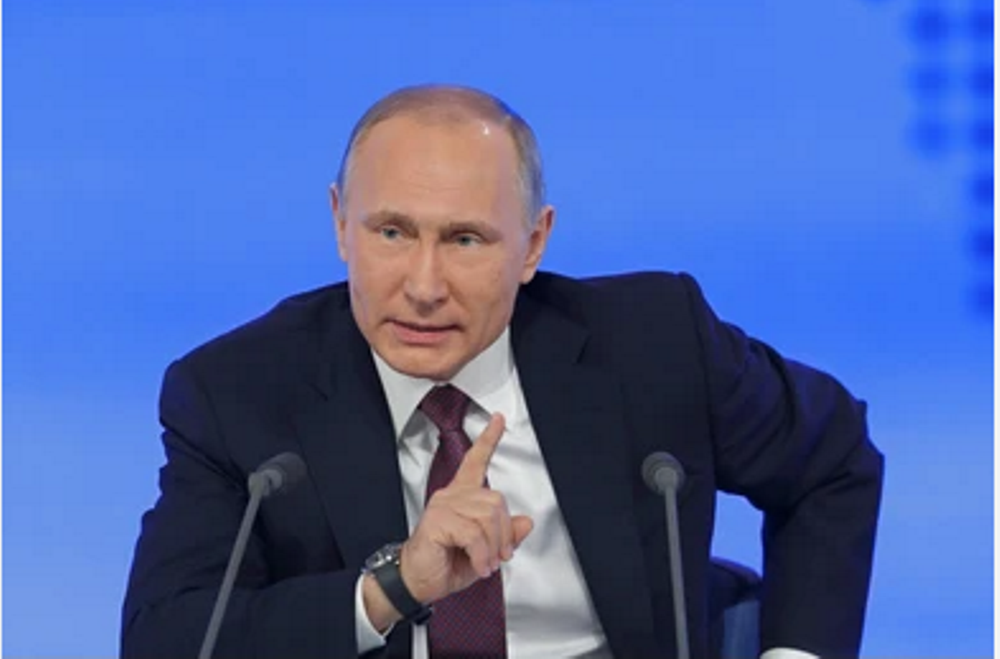
Russian President Vladimir Putin on December 27 delivered Russia's long-awaited response to a Western price cap, signing a decree that bans the supply of crude oil and oil products from February 1 for five months to nations that have imposed the price cap for Russian oil.
Putin yesterday signed a decree banning the supply of crude oil to foreign companies and citizens that abide by a US$60-per-barrel price cap set by Western allies as a means to squeeze Russian revenue used to fund the war in Ukraine.
By president’s decree the restrictions reportedly take effect on February 1 and remain in effect until July 1. The decree applies not only to oil but also to oil products; however.
At the same time, the decree, published on the Kremlin’s website, notes that the government will separately determine the date from which sales of those products at the established price ceiling will be prohibited.
The decree was presented as a direct response to "actions that are unfriendly and contradictory to international law by the United States and foreign states and international organizations joining them."
Recall, finance ministers of the G7 group of nations agreed on September 3 to cap the price of Russian oil and petroleum products in order to reduce Russia's ability to finance its war on Ukraine without further increasing the 2021–2022 inflation surge.
The European Union tentatively agreed on December 1 to set an initial US$60-per-barrel price cap on Russian seaborne oil with an adjustment mechanism to keep the cap at 5% below the market price, reviewed every two months. On December 2, the EU confirmed the price cap rate and joined the United States, other G7 countries and Australia in imposing the sanction from December 5 with two monthly reviews on the level of the price cap.