Tajikistan is expected to supply early onions to Kazakhstan in exchange for wheat. According to the Ministry of Agriculture (MoA) of Tajikistan, an appropriate agreement on this subject was signed in Dushanbe during a visit of a Kazakh delegation led by the First Deputy Minister of Trade and Integration, Mr. Arman Shakkaliyev.
An official source at a MoA says the Deputy Minister of Agriculture, Ms. Nigina Anvari, on March 3 met here with the First Deputy Minister of Trade and Integration, Mr. Arman Shakkaliyev.
The parties reportedly exchanged views on further expansion of cooperation between Tajikistan and Kazakhstan in the field of agriculture.
It was noted during the meeting that Tajikistan’s agrarian sector has many opportunities, has favorable conditions for growing organic crops, early and double cropping, intensive gardening, setting up creation of livestock and poultry farms, the source noted.
The parties reportedly expressed interest in concluding an agreement on wheat and flour exports from Kazakhstan and the export of early vegetables, including onions, from Tajikistan.
It is to be noted that onions prices have risen 22 percent in Kazakhstan this year. Current price for one kilogram of onions in Kazakhstan is 400.00 tenge (equivalent to 10.00 somonis).
According to official statistics, opinion prices in Tajikistan have risen 31.6 percent this year.
The price for one kilogram of onions increased from 3.5 somonis in December last year to 10.00-12.00 somonis in January this year (more than 3.0-percent increase).
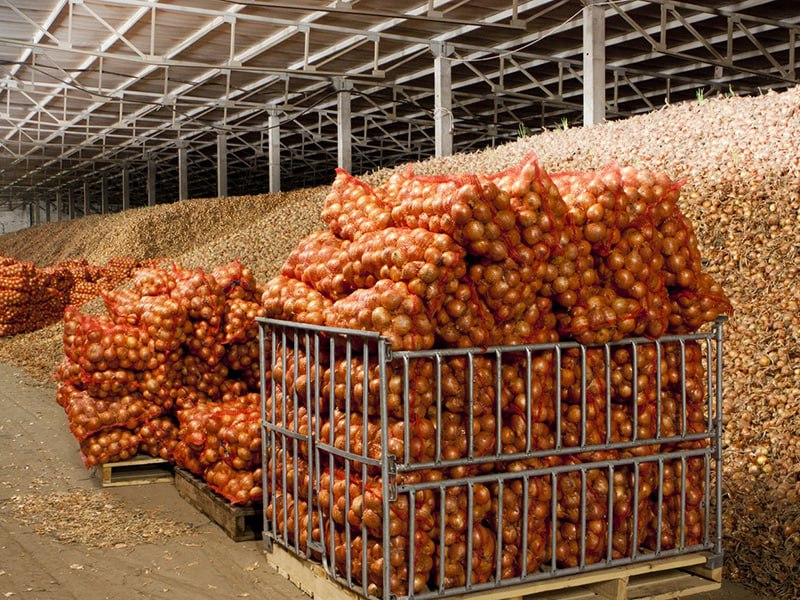
The authorities say the price hike has been caused by poor weather conditions and loss of part of the crop in warehouses due to frost.
But in early March, onion prices began to decline in Tajikistan, because at this time it is impossible to save onions. Producers who kept crops in warehouses want to quickly sell their products before they go bad.
In a month, farmers in Tajikistan will start harvesting early onions and this will help reduce onion prices again.
Meanwhile, international onion prices are soaring, fueling inflation and prompting countries to take action to secure supplies.
Onions are the staple of cuisines across the world, the most consumed vegetable after the tomato (technically a fruit). About 106 million metric tons are produced annually — roughly the same as carrots, turnips, chilies, peppers and garlic combined. The jump in prices is a knock-on effect from disastrous floods in Pakistan, frosts damaging stockpiles in Central Asia and Russia’s war in Ukraine. In North Africa, meanwhile, farmers have battled severe droughts and an increase in the cost of seeds and fertilizers.