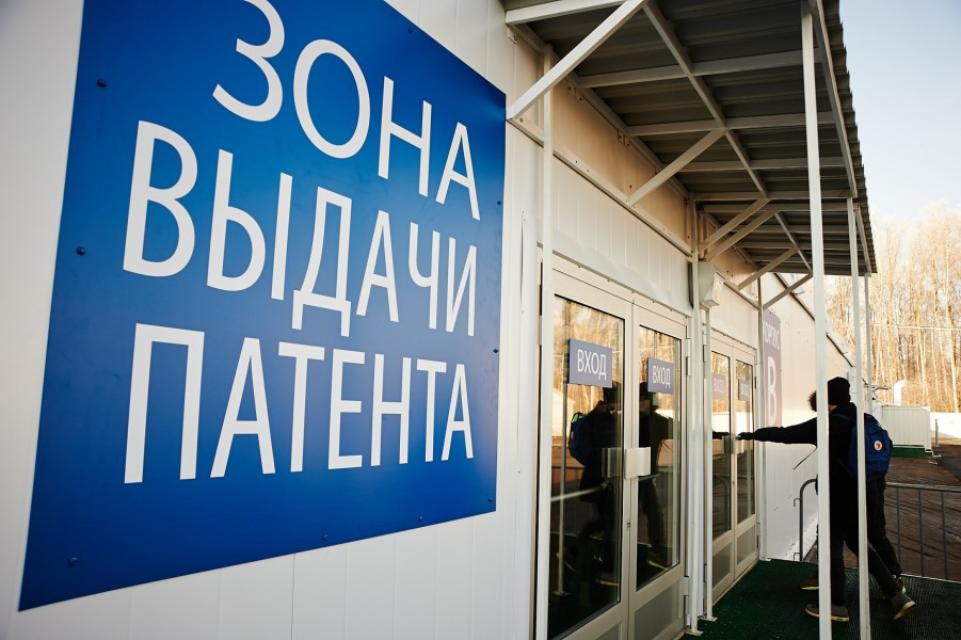
Russian media reports say the Russian authorities plan to extend the work patent term for labor migrants up to three years
Interfax notes that the Interior Ministry has agreed with the proposal of the Presidential Commissioner for Entrepreneurs' Rights Boris Titov to extend the term of a work patent for labor migrants up to three years.
The Interior Ministry is reportedly ready to shorten the term for issuing a work patent from ten to five days, at the same time extending the period of its validity, subject to compliance with all necessary requirements within the framework of migration control.
In addition, the presidential commissioner for entrepreneurs' rights has also proposed “to introduce a mechanism of rehabilitation of migrant workers, who have already been banned from entering Russia for the period of three to five years.”
The Federal Security Service (FSB) and the Ministry of Finance have not expressed objection regarding the suggestions made by Titov.
The Ministry of Foreign Affairs reportedly also agrees to concessions, if Tajikistan and Uzbekistan improve procedures of centralized recruitment of labor resources for specific Russian companies and execution of most of the documents in the territories of the partner countries.
Recall, Russia’s consulting company FinExpertiza reported last month that the number of labor migrants coming from Tajikistan last year increased by 336,700 people, or 51.8 percent.
Outgoing labor migration from Tajikistan has started on a large scale soon after the fall of the Soviet Union. An absolute majority of the Tajik labor migrants have lived and worked in the Russian Federation. As a social phenomenon this migration has a profound impact not only on the lives of the individual migrants or the families who are being supported by a family member working abroad, but also on the Tajik society as a whole and the country’s economy.