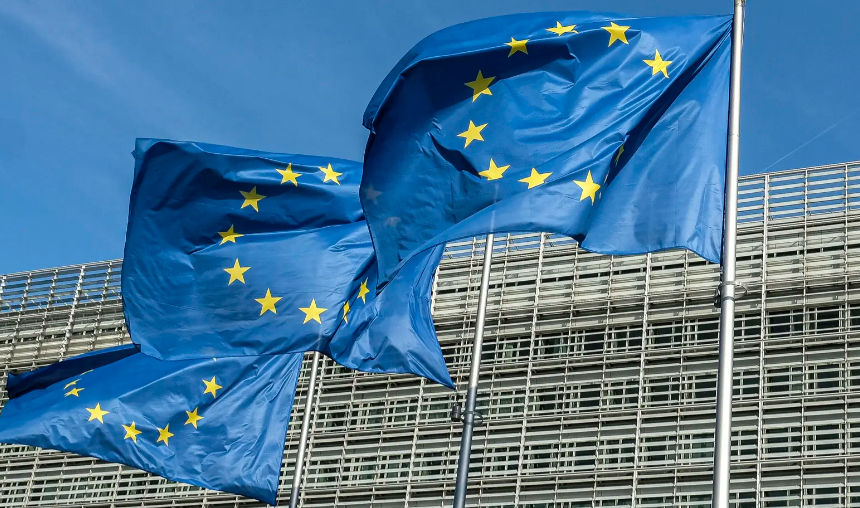
POLITICO reported on March 13 that three source confirmed that the European Union is working on a law that would force nongovernmental groups, consultancies and academic institutions to disclose any non-EU funding as part of a crackdown on foreign influence in the bloc.
The planned legislation, which is in very early stages, echoes similar laws in Australia and the United States.
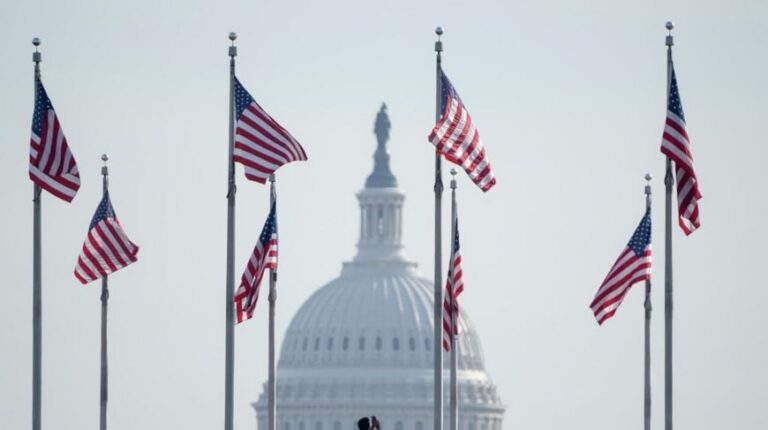
In the U.S., the Foreign Agents Registration Act has required lobbyists working on behalf of foreign governments to register with the federal government since 1938.
The EU’s version is unlikely to target individuals, but would make both commercial and nonprofit organizations around the bloc reveal non-EU funding pertaining to transactions such as paying for academic study, one European Commission official told POLITICO on the basis of anonymity, noting that the law is due to be finalized in late May.
POLITICO notes that Europe has been grappling with an array of foreign influence operations over recent years — from Russian hack-and-leak campaigns designed to change election outcomes, to Chinese grants for universities aiming to shape rhetoric on human rights, to — most recently — the Qatargate corruption scandal that has rocked the European Parliament.
Yet critics are calling the timing awkward. The EU was ramping up work on the proposal just as Georgia erupted in protests over a similar bill, which would have forced organizations to register as “agents of foreign influence” if more than 20 percent of their funding came from abroad.
That bill, widely perceived as an attempt to tighten government control along Russian lines, was withdrawn after massive protests last week.
Showing just how sensitive the matter is, NGOs are bristling over a preliminary questionnaire sent out on behalf of the Commission that is supposed to feed into an impact assessment due to be wrapped up in April as part of the law’s drafting.
According to a copy of the survey seen by POLITICO, respondents are already being asked to detail their sources of non-EU funding.
Some NGOs voiced concern that if Europe goes ahead with its own version of the U.S. Foreign Agents Registration Act, it could be weaponized by strongmen like Hungarian Prime Minister Viktor Orbán to clamp down on pro-democracy forces in their country.
The work on the foreign influence bill is led by Commission Vice President for Justice Věra Jourová. To assuage concerns, Jourová is expected to hold a series of meetings with civil society groups later this week.