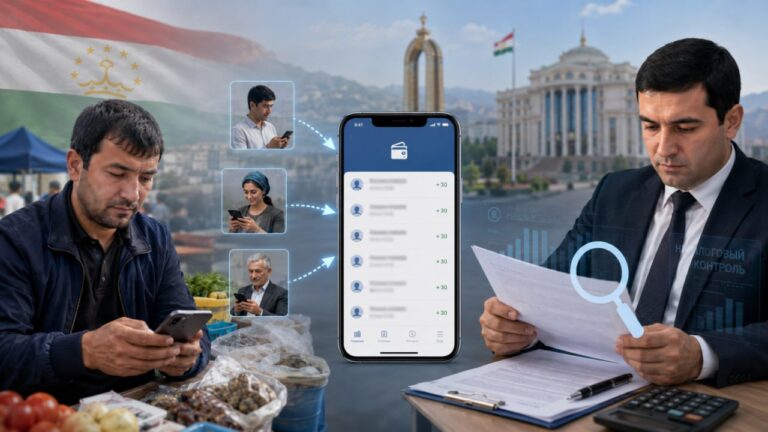
Tajikistan Public Expenditure Review (PER), released by the World Bank in November last year, notes that Tajikistan’s economy has grown rapidly since the late 1990s, at an average of about 7 percent between 1998 and 2019. Economic growth has held up well, even after the onset of the COVID-19 crisis, and is estimated to have increased to above 6 percent in 2021, from 4.5 percent last year. However, Tajikistan’s young and fast-growing population still do not have access to sufficient job opportunities and high-quality public services such as healthcare, and education, according to the Review.
Addressing these challenges, and improving human capital reportedly requires higher and more efficient public spending on social services. It also calls for the private sector to have more room to grow and compete, so it can create the job opportunities needed for the country’s young, rapidly expanding labor force.
The PER recommends reforms in several key policy areas: 1) adopting a new approach to fiscal policy, both on the revenue and expenditure sides of the budget, could facilitate adherence to fiscal discipline and support more inclusive growth agenda; 2) revamping the tax system by reducing exemptions could broaden the tax base and alleviate distortions, while enhancing taxes on goods with negative externalities could strengthen incentive structures; 3) increasing investment in human capital could help ensure an inclusive and sustainable post-pandemic recovery and productivity of the Tajik economy in the long run; and 4) reforming public investment and public financial management systems could yield efficiency gains, improve governance, and strengthen social and economic inclusion.
The IMF staff concluding statement of the 2022 Article IV Mission, which was released on December 23 last year, in particular, notes that sustained efforts to broaden the tax base by fully phasing out tax exemptions and improving tax administration are essential to increase space for critical investments in health care, education, and social protection of the population.
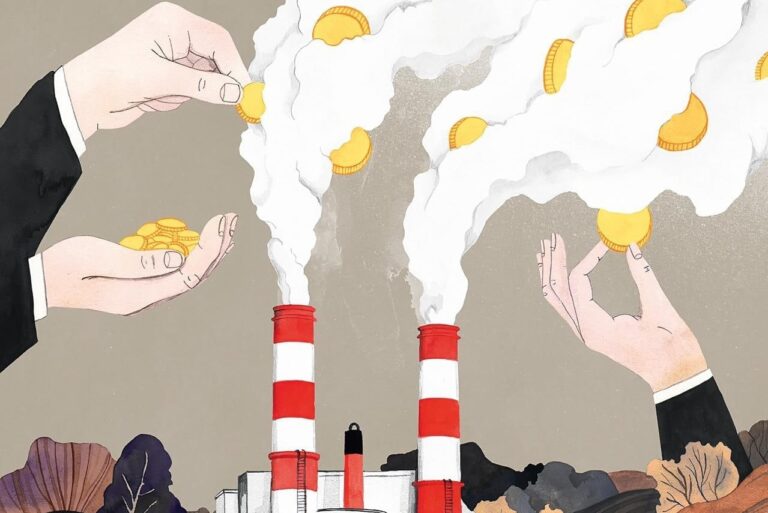
An official source within Tajikistan’s Tax Committee has told Asia-Plus that the national budget last year received 3.8 billion somonis (equivalent to more than 370 million US dollars) lest than it was planned due to the tax incentives. This amount is equal to 25 percent of last year’s total tax revenues to the country’s budget (15.4 billion somonis).
In his address to a joint meeting of both chambers of the parliament, President Emomali Rahmon noted on December 23, 2022 that To date, over 120 tax and customs incentives have been offered to businesses and investors to date.
According to him, the tax and customs benefits applied in 2022 amount to over 12 billion somonis. “Thus, the reduction and elimination of the rates in 5 types of taxes enables the business will save more than 1.5 billion somonis as a support,” Rahmon said, adding that as a result, the number of business entities reached 339,000 in 2022 and increased by 76,000 compared to 2018.
It is to be noted that the Tajik government initiated fundamental revisions to the Tax Code that aim to streamline tax policy, simplify tax administration, and lower the compliance cost for taxpayers, while enhancing tax collection. Among other changes, the envisaged amendments to the main tax legislation aim to eliminate contradictions and provisions for dual interpretation, reduce the number of taxes and streamline tax regimes, and increase transparency of the tax system. The new Tax Code, which took effect from January 1 last year, also stipulates new requirements for granting tax exemptions and eliminates some of the existing tax exemptions.