The Eurasian Development Bank (EDB) plans to invest 600 million US dollars in renewable energy projects within the next three years. Albrecht Conrad, Head of the EDB Directorate of Sustainable Development, said this at the UNECE Regional Forum on Sustainable Development that was held in Geneva on April 6 and 7.
“With its unique understanding of the region’s industry and regulatory dynamics, first-hand connections to institutional and business leaders, on-the-ground experience, and proven track record, the Bank can play a crucial role in guiding and managing the development of new regional energy projects in Eurasia, helping to attract greater capital flows and promoting the transition to a greener economy,” Mr. Conrad emphasized, according to the EDB press center.
According to Albrecht Conrad, regional development banks can provide a critical mass of technical assistance and expertise, as well as expedite financing for projects that would not have caught the eye of major financial actors. He reportedly added that regional development banks have a comparative advantage in making small and medium-sized energy projects more appealing and then implementing them.
The Bank is running the Central Asian Water and Energy Complex mega-project based on research and projections of the most effective ways to comprehensively develop the sector. Bank analysts have already conducted studies such as Investment in the Water and Energy Complex of Central Asia and Regulation of the Water and Energy Complex of Central Asia.
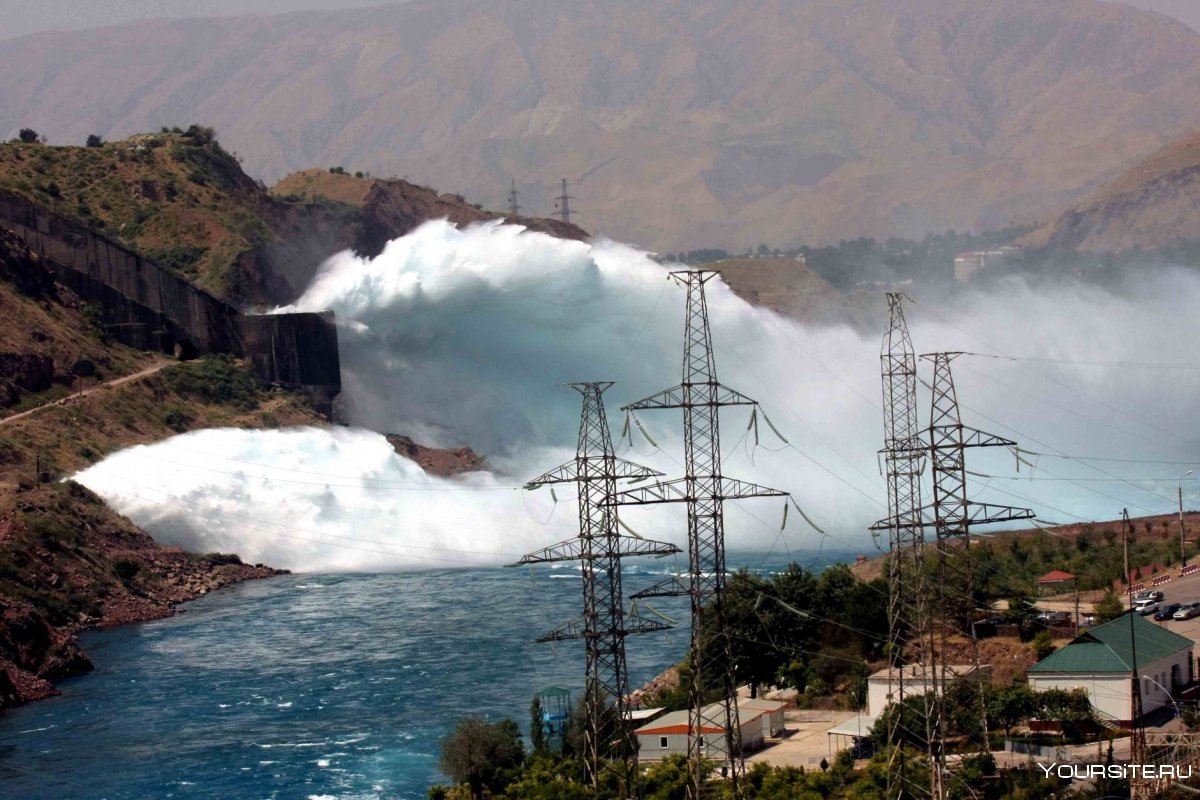
Tajikistan is home to some of the world’s largest hydropower plants and is ranked eighth in the world for hydropower potential with an estimated 527 terawatt-hours (TWh), following China, Russia, the United States, Brazil, Zaire, India and Canada. Currently only 4% of the country’s hydro potential is exploited.
According to data from the Agency for Statistics under the President of Tajikistan, 21.4 billion kWh of electricity was generated in Tajikistan last year (91.1 percent of electric power was generated by hydropower plants, about 6.9 percent of electricity was generated by combined heat and power (CHP) plants and only 0.001 percent of electric power was produced by solar power plants).
With abundant water potential from its rivers, natural lakes and glaciers, Tajikistan is almost exclusively reliant on hydro for electricity generation.
The UNECE Regional Forum on Sustainable Development reportedly brought together representatives of UNECE member governments, international organizations, civil society, the private sector, and academia to exchange ideas and knowledge on sustaining and accelerating progress towards the SDGs (Sustainable Development Goals).
The Eurasian Development Bank is an international financial institution investing in Eurasia. For more than fifteen years, the Bank has worked to strengthen and expand economic ties and foster comprehensive development in its member countries – Armenia, Belarus, Kazakhstan, Kyrgyzstan, Russia, and Tajikistan. The EDB's charter capital totals US$7 billion. Its portfolio mainly consists of projects with an integration effect in transport infrastructure, digital systems, green energy, agriculture, manufacturing, and mechanical engineering. The Bank’s operations are guided by the UN Sustainable Development Goals and ESG principles. The Eurasian Development Bank has observer status in the UN General Assembly.