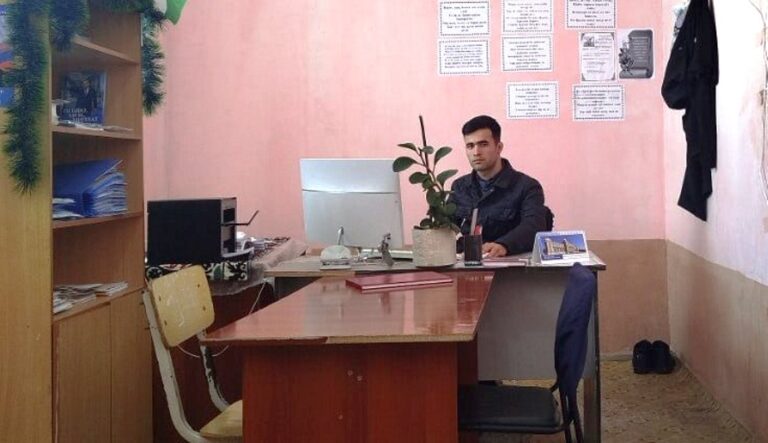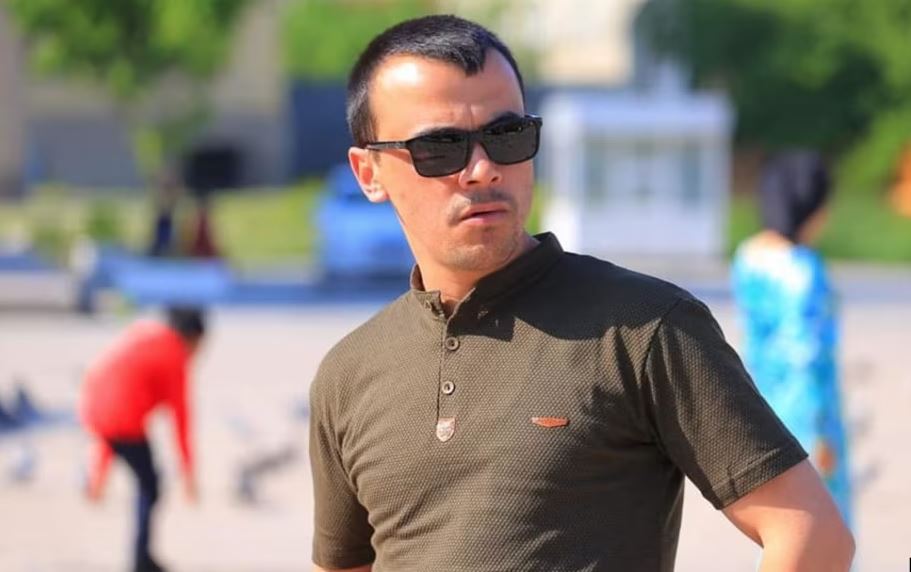
The trial of freelance journalist Khurshed Fozilov is being held being at the Khujand-based pretrial detention facility. “The trial began today morning,” Khurshed’s relatives told Asia-Plus by phone Thursday afternoon.
One of them said that they had not been officially invited to attend the trial; however, they had come to the pretrial detention facility.
“The defense lawyer was admitted to the court, but we were not admitted. The reason for this was not explained. Earlier it was said that the court will be open,” he added
The Panjakent prosecutor’s office completed investigation into the case of Khurshed Fozilov two weeks ago and it moved to the Panjakent city court.
Khurshed’s defense lawyer, Ms. Dilafrouz Samadova, had earlier made a formal request to the judge presiding over the trial to conduct legal proceedings in the city court in Panjakent in the presence of his relatives and friends, but not in the Khujand-based pretrial detention facility. The judge reportedly denied this motion.
Following this, the journalist’s mother has published a video message, asking President Emomali Rahmon to take the investigation into her son’s case under control and release him.
Recall, a 37-year-old Khurshed Fozilov, a freelance journalist, who has cooperated with several independent media outlets, including the independent website Akhbor, which is based abroad, was detained by the SCNS officers in the Tajik northern city of Panjakent on March 6. He is charged with public calls for forcible changes to the constitutional order in the country through the media and or the Internet (Article 307 (2) of Tajikistan’s Penal Code).
On what basis the case was initiated against him under this article is still unknown. This article provides for imprisonment for the term of between three and eight years.
Khurshed Fozilov applied to the Sughd chief prosecutor’s office through his defense lawyer with a complaint about illegal detention, violation of his right to privacy and coercion to testify against himself.
International human rights organizations have urged Tajik authorities to release Tajik freelance journalist.
In a statement released on March 17, the Committee to Protect Journalists (CPJ) says Tajik authorities should release journalist Khurshed Fozilov and stop prosecuting journalists in retaliation for their work.
“Coming just months after Tajik authorities sentenced several journalists to lengthy prison terms without making public any compelling evidence against them, journalist Khurshed Fozilov seems trapped in the same cycle,” said Ms. Gulnoza Said, CPJ’s Europe and Central Asia program coordinator, in New York. “Tajik authorities must disclose the exact reason for Fozilov’s arrest or immediately release him, alongside all other imprisoned journalists.”
The Norwegian Helsinki Committee (NHC), International Partnership for Human Rights (IPHR), Civil Rights Defenders (CRD), Helsinki Foundation for Human Rights (HFHR) and Front Line Defenders (FLD) released a joint statement on March 24, noting that “the government of Tajikistan should immediately release independent journalist and human rights defender Khurshed Fozilov and cease the reprisals against independent journalism in the country.”
A report released by the CPJ on December 14 last year says arrest and conviction of independent journalists and bloggers makes Tajikistan the leading jailer in Central Asia. The report, in particular, notes that the prisoners were tried secretly behind closed doors in detention centers, not courts, and sentenced to lengthy prison terms amid allegations of torture.
Tajikistan was ranked 152nd out of 180 countries in Reporters Without Borders' 2022 World Press Freedom Index, and Not Free in Freedom House's 2022 Global Freedom Status, with a score of 8/100.
In March, Tajikistan was downgraded from ‘repressed’ to ‘closed’ by the CIVICUS Monitor, a global research collaboration that rates and tracks fundamental freedoms in 197 countries and territories. ‘Closed’ is the worst rating a country can receive by the CIVICUS Monitor.